86-year-old farmer rejects $15 million offer from AI data center to sell his land and makes his own deal

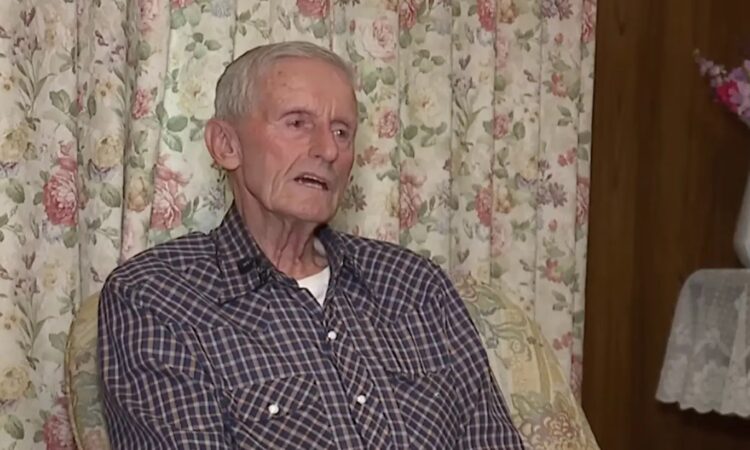
For most people, turning down more than 15 million dollars would be almost impossible. But for Mervin Raudabaugh, money was never the most important thing. The 86-year-old farmer has spent nearly his entire life working the soil in Mechanicsburg, Pennsylvania. He began farming as a young man and has watched the same fields change through seasons, droughts, harvests, and generations of neighbors growing older alongside him. The land was not just property to him. It was part of who he is.
When developers came with their offer, they saw opportunity. The area around his farm has been growing quickly, and technology companies are searching for large pieces of land to build data centers that power the internet and modern digital services. To them, the flat open farmland was perfect. They offered about $60,000 per acre, a deal that would have made Raudabaugh instantly wealthy.
Many people around him assumed he would accept. At his age, the money could have meant retirement without worry, financial security for family members, and freedom from the hard physical work of farming. But Raudabaugh did not hesitate long. He said no because he could not imagine watching bulldozers replace the fields he had cared for for decades.
He explained that farming was his life, not just his job. Every acre held memories of planting crops, repairing fences, watching sunsets over the fields, and building relationships with neighbors who depended on agriculture. Selling the land for development felt, to him, like erasing that history forever.
He also worried about what is happening to farmland across America. More and more open land is being turned into warehouses, housing developments, and commercial buildings. Once farmland disappears, it rarely comes back. He believed that someone had to make a stand and protect at least a small part of it for future generations.
Instead of taking the huge payment from developers, he chose a different path. He worked with the Lancaster Farmland Trust, a nonprofit group that helps protect agricultural land. The organization paid him about $2 million for the development rights to the farm. Compared to the $15 million offer, it was a much smaller amount of money, but it came with something he valued far more — a permanent promise that the land would remain farmland.
Under this agreement, the land can still change owners in the future, but only farmers can buy it, and it must always be used for agriculture. No factories, no data centers, no large commercial buildings will ever replace the fields.
People in the local community praised his decision. Neighbors said they felt relieved knowing the open landscape they see every day would remain green and peaceful rather than filled with massive industrial structures. For many residents, farms are part of the region’s identity, culture, and food supply.
Raudabaugh said he feels satisfied with what he has done. He knows he gave up a fortune, but he believes he protected something more valuable than money. To him, the beauty of the land, the tradition of farming, and the future of agriculture were worth far more than a large bank account.
His decision has touched many people because it reminds them that success is not always measured by wealth. Sometimes it is measured by what you choose to protect, the legacy you leave behind, and the impact your choices will have long after you are gone.