Democrats laid a trap’: WSJ editors melt down as House Republicans fall for new ploy

Democrats created a political situation that would be difficult for Republicans to handle, and the editors at the Wall Street Journal are very upset because they believe House Republicans fell for it.
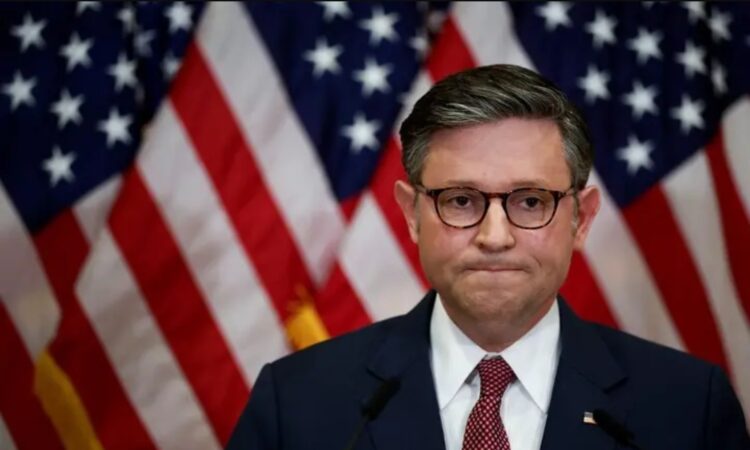
According to them, Republicans in the House of Representatives are no longer working together as a united team. Instead, many of them are arguing with each other, blaming one another, and ignoring their own leaders. They believe this chaos shows that Speaker Mike Johnson is losing control over his own party, especially when it comes to major national issues like healthcare and insurance costs.
The argument centers around whether the government should continue offering extra financial help to Americans who use the Affordable Care Act, also known as ObamaCare.
These subsidies make health insurance cheaper for people, especially for those who do not get insurance from their jobs. Democrats wanted a simple vote to keep these cost-saving subsidies going for three more years, arguing that millions of Americans rely on this help and will face higher insurance bills if the support expires. They pushed for what they called a clean extension, meaning no changes attached to it, just a straightforward continuation.
Speaker Mike Johnson refused to allow that vote because he and many Republicans want to move away from ObamaCare and reduce government spending on it. He had been working on a Republican plan that did not extend those subsidies.
Instead, his plan tried to build an insurance system that would give workers and small companies another choice besides the government-subsidized ObamaCare plans. Johnson hoped Republicans could show voters that they had their own healthcare ideas rather than just relying on something developed by Democrats.
However, things fell apart when four House Republicans decided to break away from their own party. These four Republicans represent areas where the next election will be very competitive, and they may be worried about losing their seats.
They chose to sign a Democratic petition to force the subsidy vote to happen, even though their own party leadership told them not to. As soon as those signatures appeared, Republicans panicked and shut down the voting process. They delayed everything until January, which is after the subsidies expire. Some experts believe that by then, insurance prices will already be rising and Americans will be angry and confused.
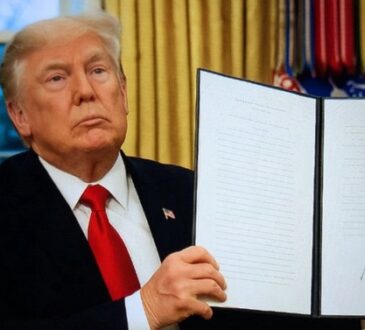
The Wall Street Journal editors say this situation is happening because Donald Trump’s approval rating is getting worse. They argue that when a political party senses weakness in its leader, people start thinking only about themselves.
They claim the four Republicans were not trying to help their party or protect their goals—they were trying to protect their own careers. The editors point out that Speaker Johnson had even offered a compromise: he said those Republicans could try to add the subsidy extension to the bill if they found a way to pay for it. But the group ignored that offer and sided with Democrats anyway.
The editors believe these four Republicans knew exactly what their actions would cause. They understood that their decision would embarrass their own party, divide Republicans even more, and help Democrats take credit for supporting affordable health insurance. One of the Republicans, Mike Lawler, even admitted that Democrats want this issue because it makes Republicans look uncaring when subsidies disappear and insurance bills go up. Still, Lawler signed the petition, which confused and angered his party members and the Wall Street Journal board.
The final message from the editorial board is harsh: they believe Democrats set up this situation on purpose, knowing Republicans would struggle to respond without hurting themselves publicly. From their perspective, the four Republicans walked straight into the trap, making the party look weak and disorganized.
The editors argue that if Republicans continue voting the same way Democrats do, then Republican voters might start asking why they should even elect Republicans at all. They warn that this behavior could damage the party’s identity, weaken its message, and possibly impact elections in 2025 and beyond. They suggest that until Republicans stop fighting each other and start presenting a clear, unified vision to the American public, Democrats will continue to control the political narrative.