Donald Trump, 79, Wants to Know If You Think He Should Quit But Under This Condition

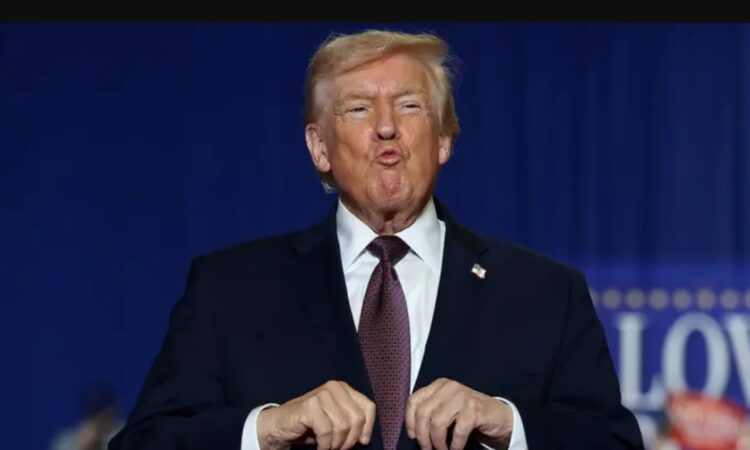
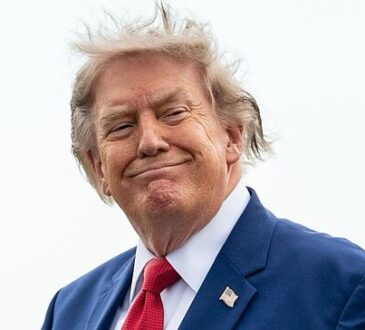
Donald Trump, who first became widely known as a reality TV star long before entering politics, is once again talking openly about the idea of changing careers. In a moment that blends humor, ego, and uncertainty, he suggested that he might consider walking away from the presidency altogether if people decide he is better suited for life in front of the camera than behind the Resolute Desk.
In a post shared on his social media platform, Truth Social, Trump asked followers to judge his performance as a “Master of Ceremony.” The message appeared just ahead of the televised broadcast of the Kennedy Center Honors ceremony, which he said he hosted earlier this month. Trump claimed the invitation came from the Kennedy Center board and insisted that the decision reflected the wishes of nearly everyone in the country. The way he framed it made clear that he sees the role not as a side appearance, but as a serious test of his entertainment skills.
He then took the idea even further, directly asking whether people would want him to leave the presidency and become a full-time host if they thought he did a really good job. While the question may have been partly playful, it also revealed how much Trump still values public approval and performance. Even while holding the highest office in the country, he continues to measure success through applause, ratings, and personal praise.
Public opinion suggests that many Americans might not be upset by the idea of him stepping aside. Recent polling shows that more than six out of ten Americans disapprove of his performance as president, with his approval rating sitting at around 36 percent. These numbers point to widespread dissatisfaction and frustration with his leadership during his second term.
Trump’s concern about how he comes across as a host is not new. Before the Kennedy Center event, he made a comment comparing himself to late-night talk show host Jimmy Kimmel, saying that if he could not beat Kimmel in terms of talent, then maybe he should not even be president. The remark underscored how deeply he still identifies as an entertainer and how closely he ties his sense of worth to being seen as the best on stage.
Despite these moments of self-doubt about his showmanship, Trump has expressed no hesitation when it comes to praising his work as president. In a long and angry address to the nation last week, he claimed that his administration has delivered more positive change to Washington than any other administration in American history. The speech was filled with sweeping statements and sharp attacks on his critics.
Many observers and critics strongly challenge that version of events. They argue that Trump’s second term has instead been marked by growing damage to democratic standards. Over the past eleven months, they say, the White House has shown less respect for the rule of law, applied increasing pressure on journalists, and weakened systems meant to hold leaders accountable for their actions.
Civil rights groups have also raised alarms about Trump’s aggressive nationwide deportation efforts, describing them as a serious threat to basic constitutional rights. These policies, combined with Trump’s unpredictable and often confrontational foreign policy decisions, have led critics to argue that the United States is losing credibility and trust on the global stage.
The economy, too, has become a major source of concern. By most standard financial measures, there are signs of growing strain, including rising instability and uncertainty. At the same time, accusations continue to surface that Trump’s family members and close inner circle are using their proximity to power to rapidly increase their wealth, further fueling public anger and distrust.
When reporters asked the White House how the president plans to decide whether people truly want him to quit politics and return to hosting events, there was no clear answer. The silence only added to the sense that Trump’s question, whether serious or not, reflects a deeper tension between his desire to entertain and the heavy responsibilities of governing a divided nation.