
According to The Post, several left-wing activist groups are playing a major role in organizing the anti-ICE protests happening across Minnesota.
One of the most prominent groups involved is Indivisible Twin Cities, which has reportedly received indirect financial support through its national parent organization from billionaire donor George Soros. Public records show that Soros’ Open Society Foundations gave nearly $7.8 million to the Washington, DC–based Indivisible Project between 2018 and 2023.
Indivisible Twin Cities presents itself as a volunteer-run, grassroots organization, but it has been leading and coordinating many of the demonstrations opposing ICE raids in Minnesota.
These protests intensified after the death of 37-year-old Renee Macklin Good, who was shot and killed by an ICE agent on Wednesday. Authorities claim Good attempted to run over an ICE agent with her vehicle before the shooting. Activist groups, however, strongly dispute that version of events.
The Minnesota group is connected to the larger Indivisible Project, which openly states that its mission is to oppose and defeat what it calls the “Trump agenda.” The same network has also been linked to other protests in recent years, including pro-Venezuela demonstrations and nationwide “No Kings” protests against the Trump administration.
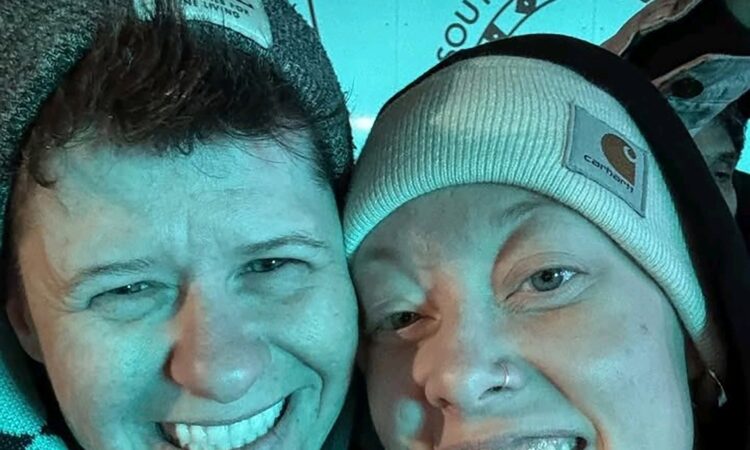
Renee Good, who had moved from Colorado to Minnesota last year, was active in anti-ICE activism. She was described by supporters as a poet and a “legal observer,” someone who attends law enforcement actions to document what happens. Activist groups say she was peacefully observing an ICE operation at the time of her death. She was also reportedly involved with “ICE Watch,” a coalition focused on monitoring and disrupting ICE raids in Minneapolis.
Several well-known activists have been involved in organizing protests and vigils following Good’s death. One of them is Nekima Levy Armstrong, a civil rights attorney and founder of the Racial Justice Network. Armstrong played a visible role during the George Floyd protests in 2020 and has continued to be active in organizing demonstrations, sharing protest information online, and coordinating legal observers at ICE operations.
Armstrong has also been outspoken politically. After Minnesota Governor Tim Walz recently announced he would not seek re-election amid a welfare fraud scandal in the state, she criticized his decision publicly, calling it a retreat that weakens Democrats and enables political attacks against marginalized communities.
Another group involved in the protests is the Minnesota chapter of the Council on American-Islamic Relations (CAIR). Its executive director, Jaylani Hussein, has spoken at anti-ICE rallies and vigils. At one demonstration, Hussein accused authorities of lying about what happened during the incident that led to Good’s death, stating that she was killed while peacefully observing.
Edwin Torres DeSantiago is another organizer connected to the protests. He leads the Immigrant Defense Network, a coalition that works with more than 90 nonprofit and religious organizations focused on immigrant rights.
Born in El Salvador, DeSantiago is reportedly the first undocumented immigrant to pursue a PhD at the University of Minnesota. After Good’s death, he publicly blamed President Trump, accusing him of creating fear and chaos in Minneapolis through aggressive immigration enforcement.
Following the shooting, protests and vigils spread throughout the city. Demonstrators held signs accusing ICE of terrorism and calling the killing a murder. Videos shared on social media showed confrontations between federal agents and protesters, adding to the growing political and emotional tension surrounding the incident.
Overall, the protests reflect a broader clash between federal immigration enforcement and a network of activist groups that oppose ICE operations. The death of Renee Good has become a rallying point for these organizations, drawing attention from national political figures, advocacy groups, and donors, while also deepening divisions over immigration policy and law enforcement tactics in Minnesota.