‘Severe’ punishment facing Brits who refuse conscription as Russia sends terrifying threat

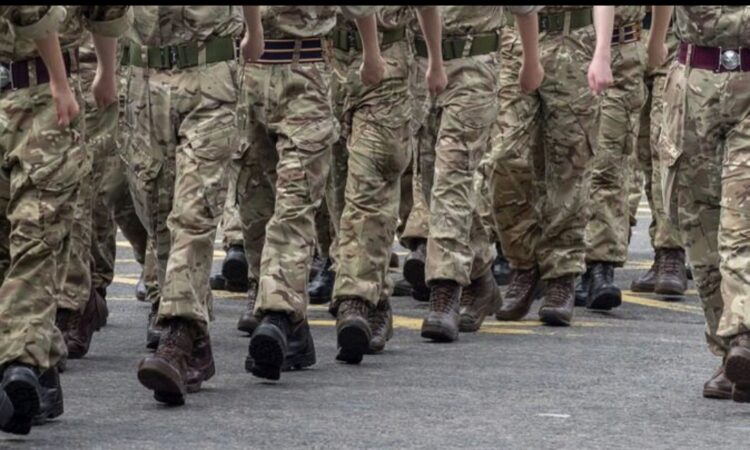
A respected historian has warned that if Britain ever brings back conscription during a major global war, people who refuse to take part could face serious consequences. While compulsory military service has only been used twice in modern British history, during the First and Second World Wars, growing global tensions have reignited fears that it could return if a much larger conflict breaks out.
The concern comes at a time when the world feels increasingly unstable. The United States has taken a more aggressive tone in foreign policy, Russia continues its illegal war in Ukraine, and senior figures close to Vladimir Putin have issued alarming threats toward Europe.
One Russian defence strategist recently claimed that if Russia ever faced defeat, nuclear weapons could be used, openly warning that Europe would be physically devastated. Statements like these have added to the sense that a wider war, while still unlikely, can no longer be completely dismissed.
Against this backdrop, there are also worries about Britain’s own military strength. The British Army is often described as being at its smallest size in decades, and some experts believe that if a major war broke out, the government might have no choice but to look again at conscription to quickly increase numbers.
Historian and author David Swift has suggested that if conscription were introduced, the government would be unlikely to jail people who refused to comply. Instead, he believes financial penalties would be more realistic and easier to enforce. According to him, prisons are already overcrowded, and locking up large numbers of people for refusing military service would be impractical, unpopular, and difficult to justify. He also believes that any modern form of conscription would probably rely heavily on financial incentives to encourage people to sign up voluntarily, rather than relying purely on punishment.
When it comes to what those penalties might look like, Swift points to how other countries have handled similar situations. In Greece, for example, people who refused compulsory service faced a fine of around €6,000, although the country later debated scrapping the fine altogether. Another model he highlighted is Switzerland, where people who refuse military service are required to pay an extra percentage of tax for the entire period they would have been serving. This approach, he argues, strikes a balance: the penalty is serious enough to discourage people from opting out casually, but not as extreme as sending them to prison.
Swift has also suggested that conscription today would likely look very different from how it worked in the past. Rather than dragging people away from essential jobs, the government would probably exempt workers in critical industries such as manufacturing, energy, and defence production. In fact, he believes some people could even be directed into those industries instead of frontline military service. He also suggested that unemployed graduates could be a key target group, arguing that this approach might actually be popular with parts of the political establishment who see it as a way to boost both national defence and employment.
These warnings come alongside growing concerns about Britain’s readiness for modern forms of warfare, particularly cyber attacks. Local councils and public bodies have recently been urged to strengthen their digital defences amid fears of coordinated cyber assaults by Russian-aligned groups. While these attacks can be technically simple, experts warn they can cause serious disruption by knocking out websites and online systems that people rely on for everyday services.
Cyber security officials have stressed that even basic attacks can have major consequences if organisations are not prepared. By overwhelming systems with traffic, attackers can block access to vital services, causing chaos for both the public and institutions. Authorities are urging organisations to act quickly, review security guidance, and put proper protections in place before a major incident occurs.
Elsewhere in Europe, some countries are already preparing their citizens more openly for the possibility of conflict. Nations like Sweden, Finland, and Norway have distributed clear guidance to residents on how to survive and cope during a crisis or wartime situation. Some experts believe the UK should now do the same, suggesting a simple, well-written booklet that explains what people should expect and how to prepare could help reduce panic and confusion if the worst ever happened.
Taken together, these warnings paint a picture of a country being quietly urged to think about scenarios most people would rather avoid. While conscription and large-scale conflict are far from certain, historians and security experts argue that ignoring the possibility altogether could leave Britain dangerously unprepared if global tensions continue to escalate.