Watch as Keir Starmer RATTLED After Speaker TELLS HIM OFF Over ‘Lack of RESPECT!’ (Video)

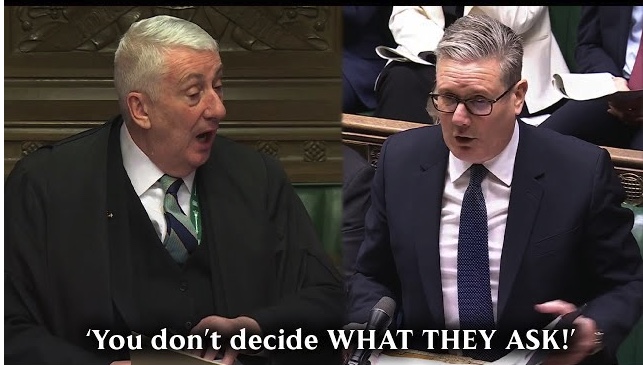
Keir Starmer appeared visibly under pressure in the House of Commons after being sharply challenged over what critics called a lack of respect for Parliament. The confrontation unfolded as the leader of the opposition accused the prime minister of avoiding proper scrutiny at a time when the world is facing serious and fast-moving international crises.
In recent days, major global events have dominated the headlines, including a US military operation in Venezuela, growing threats linked to Greenland, and a new agreement that could see British troops deployed on the ground in Ukraine. Against that backdrop, the opposition said it was shocking that the prime minister had not come to Parliament to make a full and immediate statement explaining the government’s position.
The opposition leader argued that no prime minister, whether Labour or Conservative, has ever committed to the deployment of British troops without first standing before MPs in person. Saying a statement would come “in due course,” they claimed, was simply not acceptable. According to them, this delay showed a fundamental lack of respect for Parliament and for the people MPs represent across the country.
Keir Starmer responded by insisting that a statement would be delivered to the House at the earliest possible opportunity. He said that if any decision were made to deploy British forces under the agreement signed the previous day, the matter would be brought before MPs for a full debate and a vote beforehand. He stressed that this approach followed recent parliamentary practice and that he intended to stick to it.
That response did little to calm the chamber. Opposition figures pushed back immediately, asking why that day could not be considered the “earliest opportunity.” They accused the prime minister of deliberately limiting scrutiny by delaying a statement and forcing questions to be confined to the short Prime Minister’s Questions session.
The Speaker stepped in as the noise in the chamber grew, making it clear that Parliament should always be informed first and urging MPs to stop shouting so questions could continue properly. He reminded the House that he had already requested an early statement and made it clear he was unhappy with the disorder.
The exchange grew even more tense when opposition MPs suggested the prime minister was only present because he had no choice, pointing out that Prime Minister’s Questions required him to be there. They claimed that if he could avoid facing the House, he would.
Starmer pushed back, arguing that the opposition had every opportunity to raise the issue of Ukraine during their allotted questions, yet had chosen not to focus on it. As laughter and cheers broke out across the chamber, the Speaker again intervened, telling MPs not to worry about how the opposition chose to use their questions and to allow proceedings to continue.
As the debate moved on, the prime minister sought to shift the focus back to broader security issues, stressing that NATO remains the most important and effective military alliance the world has ever seen. Even so, the tense exchanges left the clear impression of a rattled Commons, with growing frustration over transparency, timing, and respect for Parliament during a period of global uncertainty.