MAGA’s ‘Petty’ Enthusiasm Over Alternative Super Bowl Halftime Show Exposes 1 Thing … It’s Bad

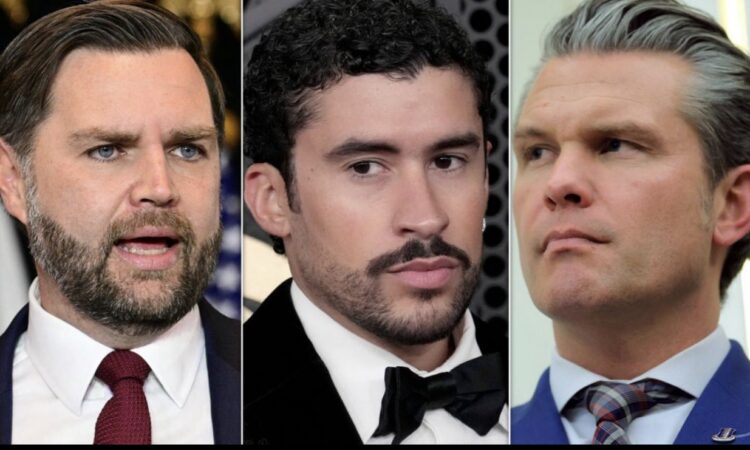
JD Vance and Pete Hegseth couldn’t hide their excitement this week after Turning Point USA announced the lineup for its alternative Super Bowl halftime concert.
Political experts say the enthusiasm isn’t accidental or harmless. They believe it reflects a deeper fear among many on the right about cultural change and a feeling that they are losing influence.
Turning Point USA, the conservative group founded by Charlie Kirk, revealed the performers for its so-called counter-halftime show on Monday. The event is scheduled to run at the same time as the official Super Bowl halftime performance, which will be headlined by Bad Bunny in 2026.
The alternative concert was created as a protest after Bad Bunny was chosen, a decision that angered many conservatives when it was announced last September.
Bad Bunny’s selection sparked outrage across MAGA circles almost immediately. He sings mostly in Spanish and has openly criticized the Trump administration’s immigration policies, particularly what he has described as harsh and violent crackdowns. For many on the right, that combination clearly struck a nerve. A month after the NFL’s announcement, Turning Point USA said it would host its own event instead.
The conservative concert will feature country artists Brantley Gilbert, Lee Brice, and Gabby Barrett, with longtime Trump supporter Kid Rock headlining. Turning Point USA is promoting it as “The All-American Halftime Show,” framing it as a celebration of “faith, family, and freedom.”
Online reaction to the lineup was split. Many social media users mocked the event, seeing it as petty or reactionary. But figures within the MAGA movement were thrilled. Vice President JD Vance called it a “fantastic lineup” on X. Defense Secretary Pete Hegseth joked online about whether his department could get involved. Pro-Trump influencers joined in, hyping the show as if it were a major cultural victory.
The anger toward Bad Bunny goes beyond music. Conservatives have repeatedly complained that he plans to perform in Spanish and that he uses his platform to criticize Trump. In January, Donald Trump told the New York Post that choosing Bad Bunny was a “terrible choice” and claimed it promoted “hatred.” House Speaker Mike Johnson said earlier that he doubted the artist would appeal to a broad audience, despite Bad Bunny’s global popularity.
Some Republicans went even further. Senator Tommy Tuberville claimed Bad Bunny spreads “anti-American propaganda,” suggesting Americans would rather listen to “patriots” than to a performer he mocked by misnaming him.
Political scientists say this reaction fits a clear pattern. According to Antoine Yoshinaka of the University at Buffalo, conservatives have been angry with the NFL for years, from Colin Kaepernick’s protests to the inclusion of the Black national anthem at games. This latest backlash, he says, is part of a broader effort to reclaim cultural spaces they believe are slipping away from them.
Jaime Dominguez of Northwestern University agrees. He says the alternative halftime show is a deliberate attempt to stay relevant while attacking diversity. In his view, branding the concert as “all-American” while featuring an all-white lineup is not subtle at all. It sends a message about who is seen as “truly” American and who is not.
Dominguez described his first reaction to the concert flyer with words like “distraction,” “division,” and “petty.” He said the promotion uses race, language, and cultural background to question someone’s American identity. Yoshinaka added that even the music choices matter.
Country and rock, sung by white performers in English, reinforce the point. Turning Point USA even included “Anything in English” as the first option in a survey asking supporters what kind of music they wanted.
The underlying message, experts say, is that Spanish somehow does not belong in American culture. That idea ignores reality. Spanish is the most widely spoken non-English language in the United States, and in many states it has deep historical roots. As Dominguez pointed out, Spanish is just as American as any other language spoken in the country.
There is also a basic misunderstanding at play. Puerto Rico is part of the United States, yet many critics talk about Bad Bunny as if he were foreign. Dominguez says this reflects a broader tendency to equate “illegal immigrant” with Hispanic or Latino, regardless of facts.
Both experts agree that Bad Bunny’s political views are a major reason for the hostility. He has been vocal in his criticism of Trump and MAGA politics, and that makes him a target. Calling him “anti-American,” Yoshinaka says, is an easy way to dismiss criticism without actually responding to it. Instead of addressing concerns about policy or the economy, Trump and his allies label critics as enemies of the country.
There is also irony in the outrage. Many conservatives say they will boycott the halftime show, even as they frequently accuse the left of promoting “cancel culture.” At the same time, the backlash ignores a simple reality: Bad Bunny is one of the most popular artists on the planet.
Just days before the controversy exploded again, Bad Bunny made history at the Grammy Awards by winning Album of the Year for a Spanish-language album, the first time that has ever happened. From a business and cultural standpoint, Yoshinaka says, it makes perfect sense for the NFL to want him on the world’s biggest stage.
In the end, experts argue that the excitement around Turning Point USA’s alternative show says more about fear and resentment than about music. It reflects anxiety over a country that is changing, becoming more diverse, and more multilingual, whether some people like it or not.