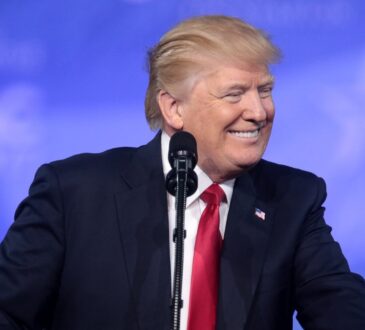

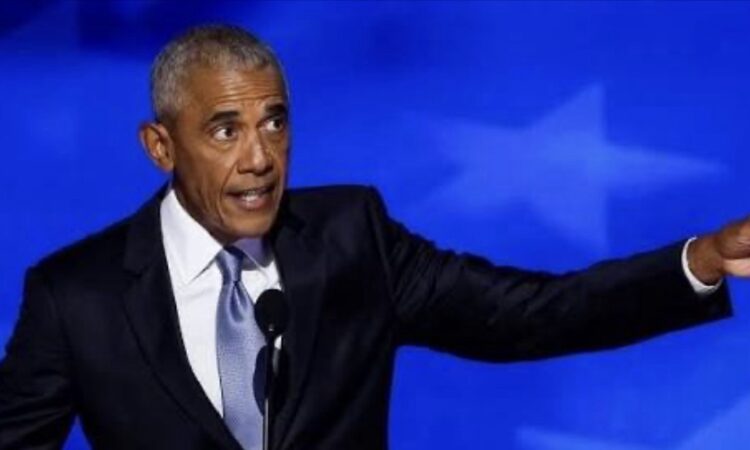
Former President Barack Obama has publicly criticized Donald Trump after the Trump administration officially revoked the 2009 “endangerment finding,” a major environmental decision that has guided U.S. climate policy for years.
The endangerment finding was created during Obama’s presidency. It declared that greenhouse gases like carbon dioxide, which come from burning oil, coal, and natural gas, are harmful to public health and the environment. This decision became the legal backbone for rules that limit pollution from cars, trucks, and power plants. It allowed the federal government to regulate emissions under the Clean Air Act.
In a message posted online, Obama said removing this finding would make Americans “less safe” and “less healthy.” He warned that it would weaken the country’s ability to fight climate change. Obama also suggested that the repeal benefits fossil fuel companies, arguing that it allows them to avoid stricter pollution rules and increase profits.
The legal roots of this issue go back to a landmark 2007 Supreme Court case called Massachusetts v. EPA. In that case, the Court ruled that greenhouse gases count as air pollutants under federal law. This meant the Environmental Protection Agency had to decide whether those gases endangered public health. The Obama administration’s 2009 finding answered that question by saying yes, they do pose a danger.
Since then, the finding has faced multiple legal challenges. Courts have consistently upheld it, including a major 2023 ruling by the U.S. Court of Appeals for the District of Columbia Circuit. That court rejected arguments from groups trying to overturn the finding, reinforcing the EPA’s authority to regulate greenhouse gases.
The Trump administration’s decision to reverse the finding represents a major policy shift. Supporters of the move say environmental regulations have been too strict and costly for businesses. They argue that easing those rules will lower energy prices, protect jobs in fossil fuel industries, and reduce government overreach.
Critics strongly disagree. They say rolling back the finding weakens environmental protections and increases risks from air pollution and climate change. They argue that without the endangerment finding, it becomes much harder for the government to limit emissions from vehicles and power plants. That could mean higher levels of pollution and fewer tools to address rising global temperatures.
Climate change has been one of the biggest dividing issues between the two administrations. Obama focused on reducing emissions and expanding clean energy. Trump has emphasized boosting fossil fuel production and reducing environmental regulations. This latest decision clearly reflects those opposing priorities.
Many experts expect legal challenges to follow. Because the endangerment finding has already been upheld multiple times in court, reversing it could trigger another long legal battle. Environmental groups are likely to argue that the science supporting the finding has only grown stronger over time.
For now, the debate highlights a deep national divide over how to balance economic interests with environmental protection. Obama’s warning suggests he believes the repeal could have long-term consequences for public health and climate efforts. Supporters of Trump’s move see it as correcting what they consider excessive regulation.
As the legal and political fight unfolds, the decision could shape U.S. climate policy for years to come and influence how the country addresses environmental challenges in the future.