Costco defied Trump’s DEI directive as Target and Walmart scaled back. Business is booming

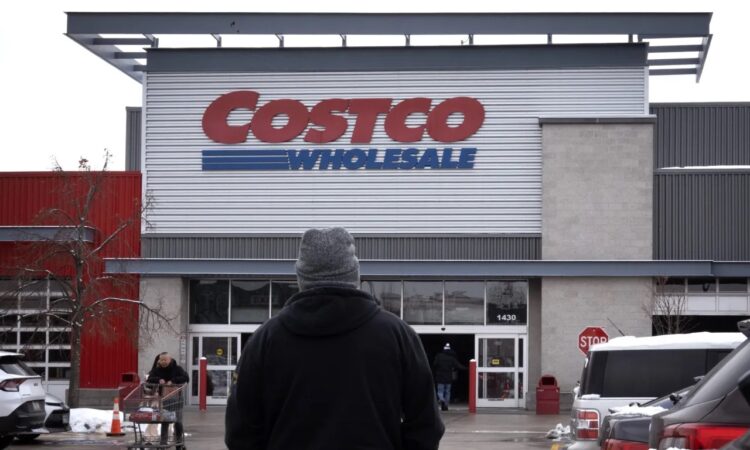
Costco is becoming a major example of how a big company can stand by its diversity policies even while facing political pressure from President Donald Trump and still keep customers and investors happy.
While other major retailers like Target and Walmart have pulled back on their diversity, equity, and inclusion programs, Costco has mostly stayed the same. After returning to office, Trump signed an executive order asking federal agencies to review diversity programs at large companies. He warned that some programs could face legal action if they were seen as discriminatory. That move made many companies nervous.
Soon after, Target announced it would scale down parts of its diversity strategy. Walmart had already started changing the way it talked about DEI, reducing the visibility of some of its programs. Other well-known companies like McDonald’s, John Deere, Amazon, and Meta also adjusted or rebranded their diversity efforts, often saying they were responding to the new legal and political climate.
Costco chose a different path. Conservative activists pushed a shareholder proposal asking the company to review its DEI programs, arguing they could create legal and financial risks. But Costco’s board told investors to vote against that proposal. The company defended its diversity efforts clearly and directly. Leaders said that having workers and suppliers from different backgrounds helps creativity, innovation, and customer satisfaction.
At its annual meeting in early 2025, more than 98% of shareholders voted against the anti-DEI proposal. That strong vote showed investors supported Costco’s approach. Civil rights groups and many customers praised the company for standing firm.
Costco has kept its diversity office in place. The company admits that top leadership is still mostly white, but it says it is working to improve representation. CEO Ron Vachris, who started at Costco as a forklift driver, has said he does not want to be surrounded only by people who look or think like him. He believes diversity is good for business and says he will not drop policies he believes are fair and helpful.
So far, the numbers suggest Costco’s decision has not hurt the company. It continues to see strong customer loyalty and steady store traffic. The company is also known for paying relatively high wages and keeping the pay gap between executives and regular workers lower than many competitors. These factors have helped it remain stable during political changes and economic uncertainty.
Its stock price has stayed mostly steady since late 2024. Revenue recently rose more than 8%, reaching nearly $66 billion in the last reported quarter. While some same-store sales were slightly below expectations, overall performance remains solid. Investors are now watching to see if the company will announce a special dividend, something it has often done in the spring.
The difference between Costco and other retailers shows a larger divide in corporate America. Some companies are choosing to reduce risk by stepping back from diversity programs. Costco is betting that continuing its DEI efforts will not only protect its values but also support long-term business success.
For now, Costco appears to be proving that a company can resist political pressure on diversity issues and still remain financially strong.