Donald Trump Derails His Own Meeting, Lets It Slip What Matters More Than Soaring Gas Prices, Viewers Are Outraged

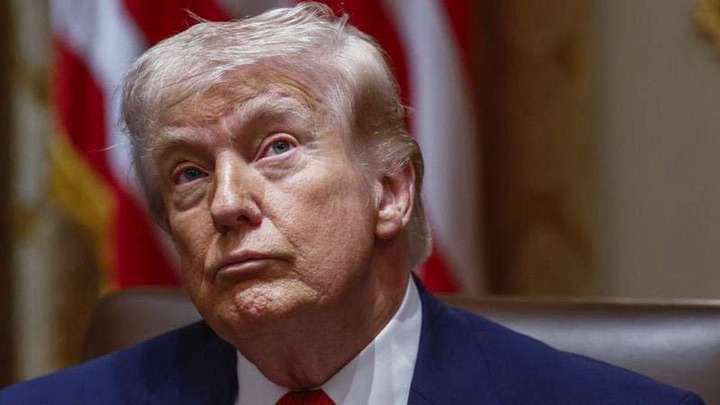
President Donald Trump appears to be putting more energy into enjoying praise and recognition from other countries than focusing on the growing financial pressure many Americans are feeling at home, especially with gas prices rising in recent weeks. For many people, the cost of fuel is becoming a serious concern, affecting everyday expenses like commuting, food prices, and general living costs.
His decision to carry out military operations against Iran has shaken global oil markets. Whenever tensions rise in major oil-producing regions, it often leads to uncertainty, and that uncertainty usually pushes fuel prices higher. As a result, ordinary Americans are now paying more at the pump, and many are questioning whether these decisions are helping or hurting their situation.
At the same time, the administration has also been involved in major actions in Venezuela, including the reported capture of its leader Nicolás Maduro and efforts to take advantage of the country’s large oil reserves. The idea behind this move was likely to increase oil supply and reduce prices, but so far, that expected benefit hasn’t reached everyday consumers. Gas prices remain unstable, and many people are still waiting for relief.
During a recent Cabinet meeting at the White House, these global issues were discussed, including updates on international relations and energy opportunities. However, the tone of the meeting shifted in a way that surprised many observers. Interior Secretary Doug Burgum spoke positively about changes in Venezuela, suggesting they could open doors for American businesses and strengthen economic ties.
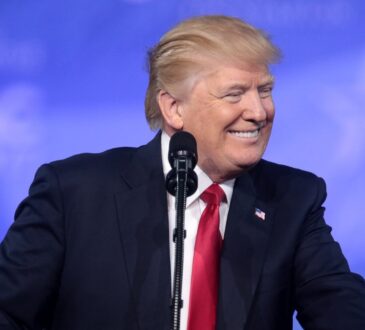
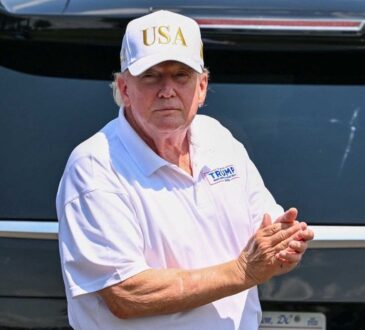
While that conversation was ongoing, Trump repeatedly brought up Venezuela, showing some interest in the country’s potential for oil production. But what really caught attention was how quickly his focus changed. When Burgum mentioned hearing talk that a statue might be built in Trump’s honor, the president became visibly more interested in that idea than in the discussion about lowering gas prices.
He interrupted the meeting to ask about the statue, calling it a “great honor,” and even cut off further discussion about fuel costs to return to that topic. While people in the room laughed, many viewers watching online did not find it amusing. Instead, they saw it as a sign that the president was more concerned with personal recognition than with addressing real economic problems affecting millions of Americans.
On social media, reactions were strong. Some people criticized the moment, saying it showed poor priorities at a time when families are struggling with rising costs. Others pointed out that the laughter from officials around him made the situation seem even more out of touch, as if serious concerns were being brushed aside.
This moment has added to a broader perception among critics that Trump values praise and public admiration very highly. His long-standing interest in awards and recognition, such as his repeated mentions of the Nobel Peace Prize, is often brought up as part of that image.
Meanwhile, political figures like Mike Johnson and Steve Scalise have publicly shown strong support for Trump, including moments where they and others gave him extended standing ovations at events. Supporters see this as loyalty, but critics argue it reinforces a culture of excessive praise around him.
As gas prices continue to fluctuate, the cost of living remains one of the biggest concerns for voters heading toward the 2026 midterm elections. If people feel their economic struggles are not being taken seriously, it could influence how they vote.