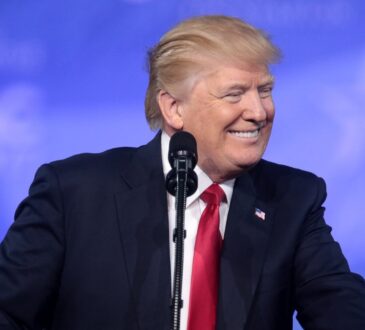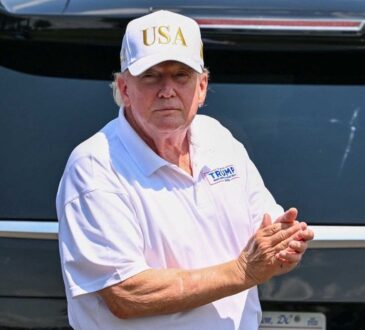

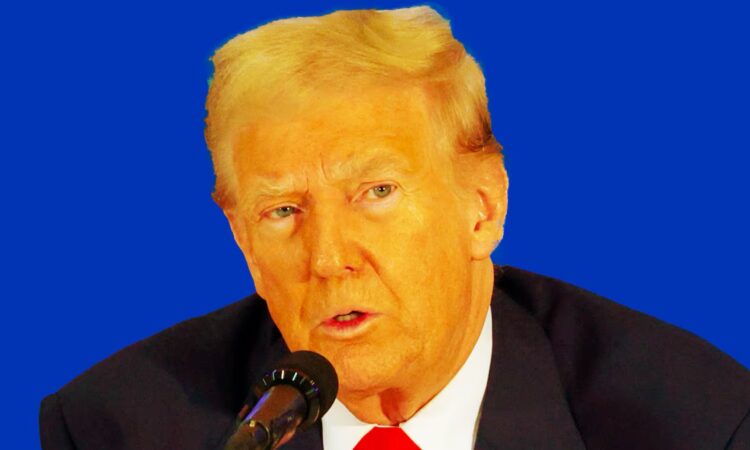
Tensions are rising again around Donald Trump, and this time the fallout is coming from some of America’s closest allies. What started as disagreement over a military conflict has now turned into a full-blown political standoff, with Trump openly threatening consequences against countries he believes embarrassed him on the global stage.
The situation escalated after several European nations refused to support U.S. military actions linked to the growing conflict involving Iran. Countries that have long stood alongside the United States, particularly members of NATO, chose not to participate. Some went even further by restricting access to their airspace and military bases, effectively blocking parts of the U.S. operation.
That response appears to have struck a nerve. Trump, never one to hide his frustration, lashed out publicly, accusing these allies of taking advantage of America’s protection while refusing to stand with it when it matters most. In his view, the alliance has become one-sided, with the U.S. carrying the burden while others hesitate when real action is required.
What has drawn the most attention, however, is the tone of his reaction. Trump didn’t just criticize he warned. He made it clear that countries refusing to support the U.S. now should not expect the same level of protection in the future. His message was blunt: if allies won’t stand with America, they may need to start defending themselves.
Behind that warning is an even more serious threat. Trump suggested that the United States could reconsider its role in NATO entirely. For decades, the alliance has been the backbone of Western military cooperation, built on the idea that an attack on one member is an attack on all. But Trump’s comments raise the possibility of a major shift one where the U.S. steps back or even walks away.
Such a move would send shockwaves across global politics. NATO has played a central role in maintaining stability in Europe and beyond since the end of World War II. Without the United States, its strength and influence could be significantly reduced, potentially changing the balance of power worldwide.
At the same time, Trump’s threats are not without limits. U.S. law now makes it much harder for any president to withdraw from NATO without approval from Congress, meaning any dramatic move would likely face serious political resistance at home. Still, the fact that such a possibility is being openly discussed is enough to unsettle allies and analysts alike.
What makes this moment particularly striking is how personal it appears to be. Trump is framing the situation not just as a policy disagreement, but as a form of humiliation an instance where allies failed him publicly. His response reflects that sense of grievance, turning what might have been a diplomatic disagreement into a warning of retaliation.
For America’s allies, the message is clear but unsettling: loyalty is being tested, and the consequences of falling short could reshape long-standing relationships. Whether this is a negotiating tactic or the beginning of a deeper shift in U.S. foreign policy remains to be seen, but one thing is certain the cracks in the alliance are becoming harder to ignore.