

Residents of a quiet housing estate in Stoke Heath, Shropshire, are celebrating after the Government unexpectedly backed away from plans to move large numbers of asylum seekers into newly built homes. The decision came after weeks of anger from local people, who said they had not been properly consulted before the proposals were announced.
The development at Dutton Close was built on land that was once used as a football pitch and clubhouse for the nearby prison community. Around five years ago, property developers bought the land and started building modern homes. Many residents believed the houses would provide affordable or social housing for local families. Instead, the site was later acquired by Government contractor Serco as part of plans to accommodate asylum seekers.
The proposal would have seen 21 new-build properties used to house between 83 and 121 asylum seekers. One Pakistani family of six had already been moved into one of the homes, while the Government continued its wider plan to reduce the use of hotels for asylum seekers by relocating people into houses and former military sites before 2029.
The announcement caused an immediate backlash among local residents, many of whom argued the location was completely unsuitable. They pointed out that the estate is isolated, with the nearest shop around four miles away and the closest bus stop requiring a walk of about 30 minutes. Many questioned how people living there would access essential services, employment opportunities, schools and healthcare.
The turning point came during a public meeting attended by around 100 residents, where Conservative MP Mark Pritchard told those present that he had spoken directly with the Home Office. According to him, officials confirmed the plans had been suspended.
The Home Office later confirmed that the Home Secretary had personally intervened to halt the scheme.
A spokesperson said that newly built homes should not be used to accommodate asylum seekers and confirmed that no asylum seekers remained at the site. Officials also said new procedures had now been introduced to prevent newly built housing developments from being considered for asylum accommodation in the future.
The Pakistani family who had been living on the estate has since been relocated elsewhere. According to residents, the property they left behind contained discarded furniture and rubbish in the garden, adding to concerns already raised by neighbours.
Despite welcoming the announcement, many residents remain cautious and are waiting to see whether the decision will remain permanent.

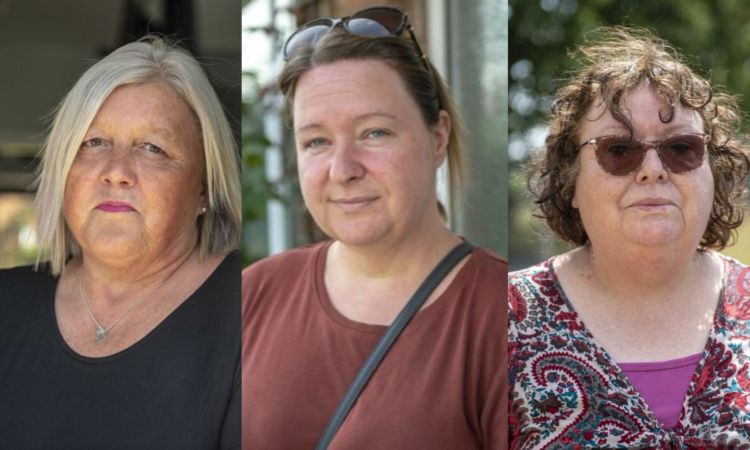
Helen Nelson, who has lived on the estate with her husband for four years, said the experience had left many people frustrated because they struggled to get clear answers from the Home Office, Serco and the local council. She said the lack of communication created uncertainty and anxiety, leaving residents feeling ignored throughout the process.

She also expressed concern about the effect the proposal had already had on local property values. According to Helen, some homeowners had been told by property valuers that selling their homes would become much more difficult if the original plans had gone ahead. She questioned why the Government spoke about having a duty of care towards asylum seekers while, in her view, not showing the same level of concern for long-term residents who pay taxes and National Insurance.
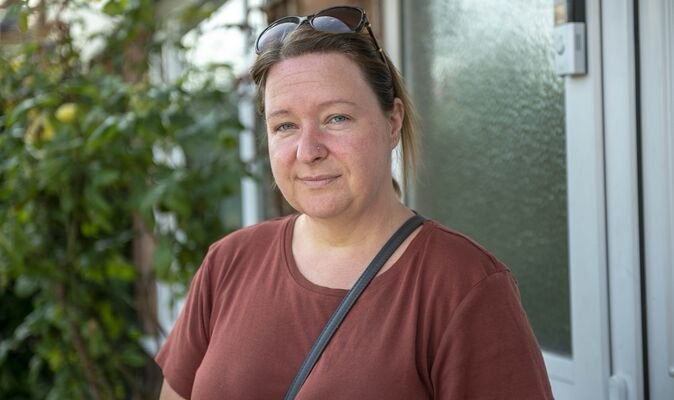
Another resident, Samantha Murphy, said the proposal was particularly upsetting because of her husband’s military service. Her husband served for 12 years in the Royal Irish Regiment before being medically discharged. She questioned why her family struggled to receive housing support after his service while newly arrived asylum seekers appeared to be offered newly built homes.
Although she welcomed the Government’s decision to stop the move, Samantha said local people would continue monitoring the situation closely to ensure the plans were not revived in the future.
Long-time resident Ann Harrhy, who has lived on the estate for nearly six decades after her husband worked at HMP Stoke Heath, said she believed placing more than 100 asylum seekers in such a small rural community would have dramatically changed life for existing residents. She argued that the isolated location was unsuitable and said she feared losing the quiet lifestyle she had enjoyed for many years.
Trudy Supersad, who has lived on the estate for around 30 years, said many residents originally expected the homes to benefit local families in need of affordable housing. Instead, she said they were shocked when they learned the properties could be used for asylum accommodation. She expressed concerns about the lack of facilities nearby and questioned whether placing large numbers of people in such an isolated location would benefit either the migrants or the existing community.
David Cooper, who recently moved from Birmingham with his wife in search of a quieter life, said he was surprised when he first heard about the proposals. He said the peaceful surroundings were one of the main reasons they chose to move there and feared the plans would significantly change the character of the area.
His wife Joanne, who works as a care worker, stressed that she had no issue with immigrants who come to Britain legally to work and contribute to society. However, she said she believed housing a large number of asylum seekers together in a small rural estate would have placed unnecessary pressure on the local community.
Parish councillor Jason Scott also questioned whether the location was appropriate. He explained that although there is a bus stop at the entrance to the estate, there has been no regular bus service for several years. He argued that without proper transport links or nearby facilities, the site was unsuitable and could have created tensions regardless of who lived there.
The Home Office maintained that the plans had now been abandoned. In its statement, it confirmed that no asylum seekers remain at the Stoke Heath development and said the Home Secretary had intervened to ensure newly built homes would no longer be considered for this type of accommodation in future. The announcement has brought relief to many residents, although some say they will remain vigilant until they are certain the proposal has been permanently shelved.