Campaigners and Trade Union Leaders Pressure Andy Burnham to Make It Easier for Asylum Seekers to Come to the UK Over Reasons Many People May Not Agree With

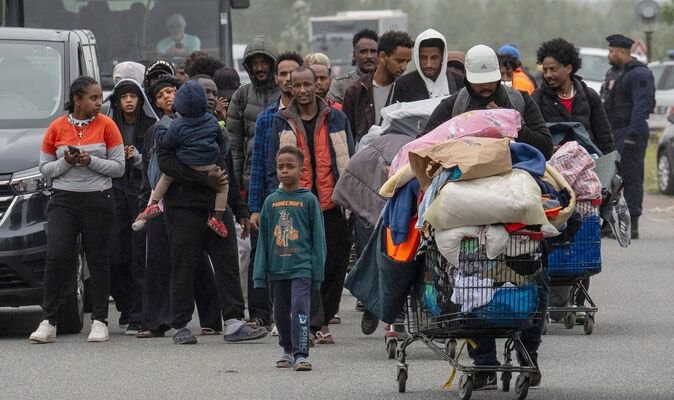
Campaigners and trade union leaders are increasing pressure on Prime Minister Andy Burnham to change the Government’s approach to asylum by introducing more safe and legal routes for refugees to come to the UK. The move has created another political challenge for the Prime Minister after around 100 Labour MPs reportedly refused to support Justice Secretary Shabana Mahmood’s proposed asylum reforms, exposing divisions within the party over immigration policy.
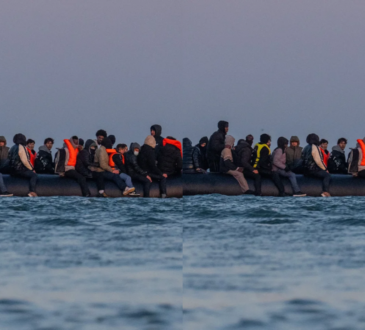
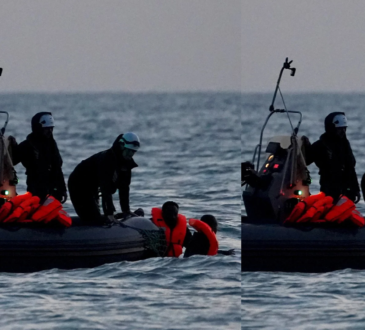
The campaign is being led by Care4Calais, a charity that supports refugees and asylum seekers. Together with the PCS union, it has launched a drive urging the Government to expand legal pathways for people fleeing conflict and persecution instead of forcing them to make dangerous journeys across the English Channel in small boats.
Supporters of the campaign argue that the rise in Channel crossings happened after the UK closed many of its legal routes for refugees. They say that because asylum seekers must already be in Britain before they can make a claim, many people are left with little choice but to risk dangerous crossings organised by criminal smuggling gangs.
Campaign organisers point to the Ukrainian resettlement scheme as an example of how safe routes can reduce illegal crossings. They claim that once the UK introduced a legal route for Ukrainians escaping the war, the number of Ukrainians gathering in Calais quickly fell because they no longer needed to attempt dangerous journeys across the Channel. They argue that similar schemes for people fleeing countries such as Sudan and Eritrea could have the same effect, noting that many asylum seekers from those countries are eventually granted refugee status in the UK.
An email seen by the Daily Express urges Andy Burnham and his team to consider a policy proposal developed jointly by the PCS union and Care4Calais. The message argues that expanding safe routes would provide a practical solution to Channel crossings while offering protection to people fleeing war and persecution.
The campaign comes as the Government is pushing forward with its Immigration and Asylum Bill, which proposes tougher measures on illegal migration. The legislation would make it more difficult for foreign criminals and failed asylum seekers to use human rights laws to delay deportation, simplify the appeals process, require migrants to repay the costs of their accommodation where possible, and introduce faster deportation procedures.
However, critics within Labour and refugee groups believe the reforms do not go far enough in addressing the reasons people make dangerous journeys to Britain. They argue that without expanding legal alternatives, people will continue relying on smugglers to reach the UK.
Opposition politicians have strongly criticised the proposals for wider safe routes. During a debate in Parliament, Shadow Home Secretary Chris Philp argued that introducing additional legal entry schemes would increase the overall number of asylum seekers arriving in Britain at a time when applications are already at record levels. He said that creating new routes before reducing illegal immigration would place additional pressure on public services and taxpayers.
Mr Philp also questioned claims that privately sponsored refugees would not become a financial burden on the public. He argued that while sponsors may support refugees during the first year, the long-term costs of housing and welfare would eventually fall on taxpayers. He said he would not support expanding such schemes until illegal immigration and asylum claims had been significantly reduced.