My Dreams Are All Gone,” Asylum Seeker Who Came to the UK in 2011 Reveals What the Last 15 Years Have Been Like

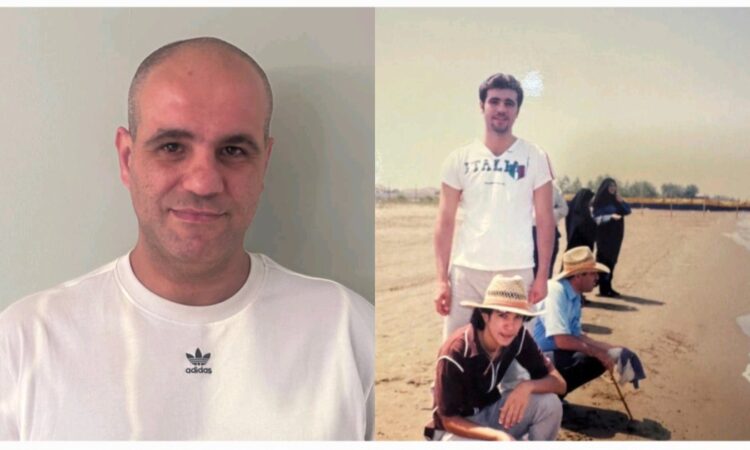
Mostafa Rahmani, an Iranian asylum seeker, says he fears he will be arrested, detained or even killed if he is forced to return to Iran. However, the Home Office has repeatedly refused his asylum claim, leaving him stuck in the UK for the past 15 years without knowing what his future holds.
Now 41, Mostafa came to the UK from Iran in 2011 on a student visa when he was 24. He said he arrived to study English, but only a few days later claimed asylum after learning that Iranian security officers had gone to his family’s home in Tehran looking for him. He says they were searching for him because he had taken part in anti-government protests in Iran earlier that year.
Since then, he says his life has been put on hold. Because his asylum claim has not been approved, he has not been allowed to work for most of the time he has been in the UK. He also chose not to stay in Home Office accommodation for many years, instead relying on friends, churches and charities to survive. At times, he says he had nowhere to live and ended up sleeping on the streets, in supermarket car parks, on buses and even inside rubbish storage rooms in apartment buildings just to stay warm during winter.
Mostafa has been involved with an Iranian women’s rights campaign group in the UK called 8mars since 2012. He says his work with the group has made him even more at risk if he is sent back to Iran. He believes the Iranian authorities would target him because of his political activities and his support for women’s rights.
The Home Office, however, has argued that he does not have a high enough political profile in either Iran or the UK to face the level of danger he claims. Because of this, his asylum application has been rejected several times. He is now waiting for a decision on another legal challenge with the support of Birchtree Law Chambers.
Looking back on the last 15 years, Mostafa said he feels he has lost the life he dreamed of. He said all of his plans disappeared while he waited for decisions that never seemed to end. He explained that there were times when he slept on buses or in supermarket car parks because he had nowhere else to go. Churches sometimes gave him food and a place to wash, while friends helped him whenever they could.
Although he has recently been given Home Office accommodation, he says life there is still difficult. He shares a bunk bed with another man and says the constant noise often makes it impossible to sleep. On some nights, he says he would rather leave the accommodation and spend the night on a bus instead.
Before coming to Britain, Mostafa says he had a comfortable life in Iran. He had his own car, his own room and support from his family. He says the life he lives now is nothing like the one he left behind. While he has thought about returning to Iran many times, he believes doing so would put his life in danger because of the country’s treatment of political opponents.
He says one of his biggest wishes is simply to be able to see his parents again. His mother is now 70 years old, and he hopes that if he is granted permission to stay in the UK, he could meet his parents in Turkey before it is too late. He fears he may lose the chance, saying one of his friends only received a visa after eight years, but his friend’s mother died before they could reunite.
His friend Leila Parnian, who has known him for around 20 years through the 8mars campaign group, said the long wait has destroyed his future. She said he has been unable to build a normal life, find work, have children or plan for the future because he remains trapped between two countries. She described it as unfair that someone could spend nearly 16 years living with such uncertainty.
Rashad Nawaz, director of Birchtree Law, said he believes Mostafa has consistently shown his commitment to campaigning for women’s rights in Iran and has regularly informed the Home Office about his activities. He said campaign members believe Mostafa would be in real danger if he returned to Iran and added that he has personally seen his client’s mental health worsen during the long legal battle.
Mr Nawaz also questioned why the government continues refusing his application while at the same time recognising Iran’s poor human rights record and carrying out very few deportations to the country. He said he hopes the Home Office will eventually allow Mostafa to remain in the UK.
The Home Office said it does not comment on individual immigration cases.