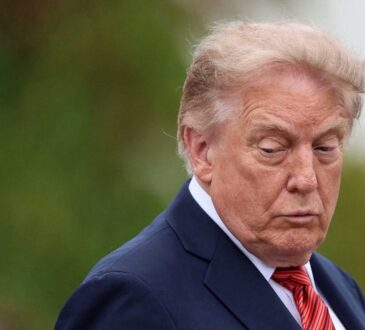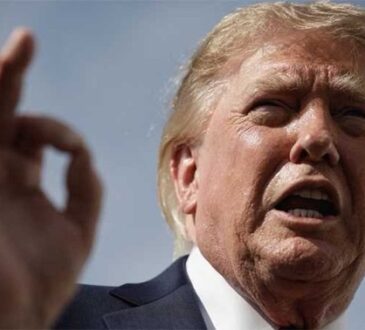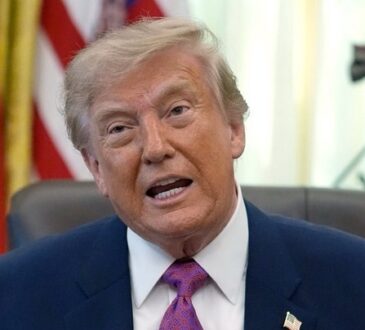

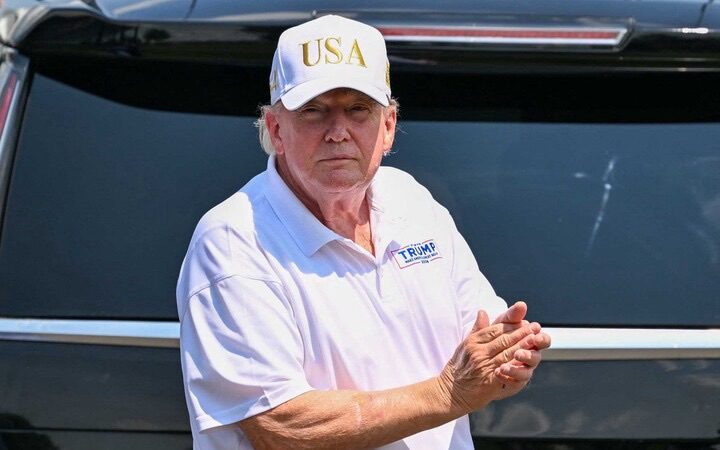
Nearly every Republican senator voted to make Todd Blanche the US Attorney General. The writer claims that this decision allowed Donald Trump to avoid a $100 million tax penalty that the IRS had reportedly been trying to collect for more than ten years.
According to the article, Blanche prepared a settlement that could protect Trump and members of his family from future tax investigations. The writer suggests that this protection may even cover some of their business partners.
Capital One also reportedly told a court that it closed accounts connected to 385 Trump-owned businesses in 2021. The bank said its fraud team suspected that some of the businesses could have been involved in illegal money laundering. These were concerns raised by the bank, not proven criminal findings against all the businesses.
The writer is surprised that these stories received little attention from major news organisations. He believes some media companies are now afraid of strongly challenging Trump and the wealthy people who support him.
A message being shared online says it is strange that many people accept accusations about Trump’s conduct and then simply continue with their lives. The writer believes these allegations could seriously damage Trump politically, but says Democratic leaders are failing to use them effectively.
Democrats are still debating what their main message should be for the 2026 midterm elections and the 2028 presidential election. Different groups have offered different ideas, but the writer believes one word could bring many of their arguments together: corruption.
He argues that Republican policies have allowed billionaires and large companies to gain too much control over America’s political and economic systems. Since Ronald Reagan’s presidency in the 1980s, Republicans have often said that government is the problem and that the free market should decide. However, the writer believes the real result has been greater power for wealthy individuals and large corporations.
He points to tax cuts and legal loopholes that have greatly benefited billionaires and major companies. He also says weaker enforcement of competition laws has allowed a small number of companies to dominate many industries. According to him, this has reduced competition from small businesses and helped push prices higher.
The writer also criticises Supreme Court decisions that gave companies greater influence over elections through political spending. He says wealthy donors and corporations can now spend enormous amounts of money to influence politicians and election results.
He argues that many government regulators are now led by people who previously worked in the same industries they are supposed to control. This creates what is often called a revolving door between private companies and government agencies.
The article also raises concerns about members of Congress and people connected to the Trump administration allegedly benefiting from private financial information. It claims that Trump’s social media company offers wealthy subscribers access to information that could give them an investment advantage.
The writer says the defence industry has gained too much influence over how the Pentagon spends public money. He also accuses several government departments of working against the very people and services they were created to protect.
Trump’s pardons are another concern raised in the article. The writer claims that several people who received pardons had given large amounts of money to Trump or organisations linked to him. These claims remain politically disputed and should not automatically be treated as proven facts.
The writer also says cuts to the IRS have made it easier for wealthy people and international companies to avoid paying the taxes they owe. At the same time, he argues that public services such as schools, prisons and the postal service have been weakened or partly handed to private businesses whose owners donate to Republicans.
Large amounts of political money can now be spent without voters knowing who provided it. The writer says this allows billionaires and companies to secretly influence elections without being properly held responsible.
He also accuses the Trump administration of using federal powers to help friendly media owners while threatening broadcasters and publishers that criticise Trump. In addition, he says voting laws in Republican-controlled states have made it more difficult for poor people, young voters, women and minority communities to vote.
The article criticises Republicans for opposing efforts to allow Medicare to negotiate lower medicine prices for many years. The writer believes this helped pharmaceutical companies make larger profits while Americans paid some of the highest prescription prices in the developed world.
He also argues that the Federal Election Commission has been weakened, making it difficult to investigate or punish possible election-law violations. Tax havens and trade policies, he says, have encouraged companies to move American jobs abroad while senior executives collect large bonuses.
Lobbyists and powerful business groups are also accused of helping to write laws that favour companies instead of ordinary people. The writer says some environmental and employment rules have been changed by officials with financial connections to the industries affected by those rules.
He further argues that Republicans have filled federal courts with strongly conservative judges. He believes their decisions will protect corporate power, weaken workers’ and consumers’ rights and make it harder to hold Trump accountable.
Republicans understand that public anger over corruption can win elections. Trump repeatedly promised to “drain the swamp” during his presidential campaigns. The writer says this message worked even though he believes Trump did not keep that promise.
He now wants Democrats to make fighting corruption their main message for the 2026 and 2028 elections. He believes this approach has succeeded in several countries throughout history.
In Russia, opposition leader Alexei Navalny used his Anti-Corruption Foundation to expose how President Vladimir Putin and his allies allegedly used government power to enrich themselves. Navalny became one of Putin’s strongest opponents before dying in a Russian prison in 2024. His supporters and several foreign governments blamed the Russian authorities, while the Kremlin denied responsibility.
In the Philippines, Corazon Aquino used an anti-corruption message against the rule of Ferdinand Marcos. Public anger eventually forced Marcos and his wife to leave the country.
Jair Bolsonaro also campaigned against corruption when he first ran for president of Brazil. However, the writer says Bolsonaro later became part of the same political system he had criticised.
In India, activist Anna Hazare’s 2011 hunger strike helped create a nationwide campaign against corruption. The movement supported the introduction of the Lokpal anti-corruption law and helped former members of the campaign establish the Aam Aadmi Party in Delhi.
Ukraine’s 2014 Revolution of Dignity was also driven partly by anger over corruption. Several years later, Volodymyr Zelenskyy won the presidency after campaigning as a political outsider who promised cleaner government.
Anti-corruption messages have also been powerful throughout American history. President Theodore Roosevelt built public support by attacking the close relationship between monopolies, wealthy businessmen and government officials.
The Watergate scandal exposed serious abuses of presidential power and eventually forced Richard Nixon to resign. It also helped politicians who promised honest and accountable government.
More recently, scandals involving former congressman George Santos showed that voters can still punish politicians accused of dishonesty. Trump’s promise to “drain the swamp” and Bernie Sanders and Elizabeth Warren’s attacks on a “rigged system” also show that anti-corruption messages can appeal to voters across the political divide.
The writer believes this should become the Democrats’ central strategy. He argues that Republican politicians have become too dependent on donations and support from the fossil fuel, health insurance, tax preparation and weapons industries.
He also points to accusations involving the Trump and Kushner families, cryptocurrency profits, possible insider trading, industry figures leading regulatory agencies and controversies involving Republican politicians such as Ron DeSantis, Ken Paxton and Greg Abbott.
The writer says Democrats across America should look closely at allegations of corruption involving Republicans in their own communities. They should repeatedly speak about what he calls “Republican corruption” during campaigns, public meetings and media interviews.
In his view, Democrats can win more support by showing voters how political corruption damages democracy, increases corporate power and hurts working and middle-class families. His final message is simple: Democrats should make corruption the main issue of their campaigns.