149 Illegal Boat Migrants Were Suddenly Brought Ashore in This UK Town, But What Happened Next Took Everyone by Surprise

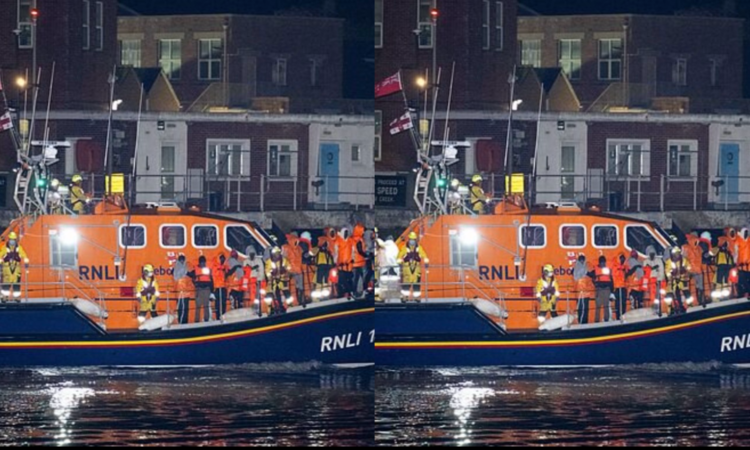
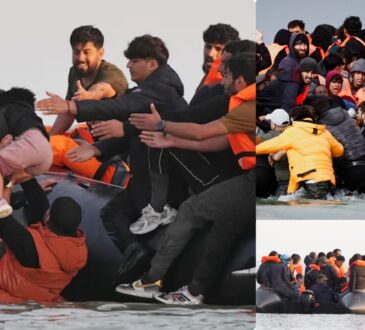
More than 140 migrants were brought ashore in Gosport over the weekend after crossing the English Channel, leading to protests, several arrests and a major police response in the Hampshire town.
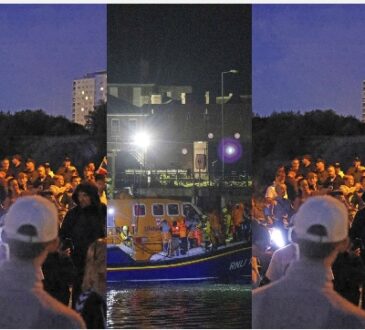
A total of 149 migrants were brought into the Gosport and Haslar area after an RNLI vessel responded to a small boat in the Channel. Their arrival quickly attracted attention locally, with large numbers of people gathering close to Haslar Marina and the waterfront.
Small-boat crossings have remained a major issue in the UK, especially in coastal communities where migrants are sometimes brought ashore before being moved elsewhere for processing. Authorities are responsible for making sure those arriving are safely taken from the water, checked and transferred to the appropriate facilities.
However, when large groups are brought into towns without much warning, it can also lead to anger among some residents and protesters who are unhappy with the Government’s handling of illegal Channel crossings.
That tension was clearly seen in Gosport on Sunday night.
After the 149 migrants were brought ashore, they received initial medical checks in the Gosport and Haslar area. They were then due to be transferred to a main migrant processing facility in Kent.
As news of the arrival spread, protesters began gathering near Haslar Marina and other parts of the waterfront. Reports suggested that around 100 to 150 people eventually joined the demonstration.
Police officers were deployed to the area as the crowd grew and tensions increased. The situation later developed into a stand-off between some protesters and police officers.
Flares were also reportedly set off during the demonstration, adding to concerns that the situation could become more difficult to control.
Hampshire Constabulary responded by introducing emergency public-order measures across the town.
A Section 35 dispersal order was put in place, giving police officers additional powers to tell individuals to leave certain areas when officers believed it was necessary to prevent disorder or protect the public.
Walpole car park was also designated as the location where peaceful protests could take place under a Section 14 order of the Public Order Act.
Police said six people were arrested during the demonstrations on Sunday night over alleged public-order offences.
The incident has now added to the wider debate about what should happen when migrant boats are intercepted or rescued in the Channel and where those on board should be taken once they reach British waters.
Those supporting the police response may argue that officers need strong powers when large demonstrations develop close to areas being used by emergency services. Police have to make sure migrants, RNLI crews, Border Force personnel and members of the public can move through the area safely.
At the same time, others may argue that local residents should be allowed to peacefully express their concerns about Channel crossings and the Government’s immigration policies without facing unnecessary restrictions.
The events have also raised another important question for Gosport: why are migrants being brought into the area in the first place when major processing facilities are located elsewhere?
Local representatives have already called for changes.
Gosport MP Dame Caroline Dinenage has urged the Home Office and Border Force to consider taking migrant arrivals directly to primary processing facilities in Kent or Dover instead of using Solent ports such as Gosport.
The argument is that taking people directly to established processing locations could reduce disruption in towns such as Gosport and potentially prevent similar confrontations between protesters and police.
The latest incident was not the first time concerns about migrant arrivals had led to protests in the area.
On September 22, reports that migrants could be brought ashore near Fort Blockhouse also resulted in people gathering to protest. On that occasion, however, the vessel was eventually diverted to Dover.
The weekend arrival of 149 migrants has therefore increased pressure on the authorities to explain how decisions are made about where people rescued or intercepted in the Channel are taken.
For residents, the issue is likely to remain controversial. Some are mainly concerned about immigration and the continuing number of people crossing the Channel, while others are concerned about the effect unexpected arrivals and demonstrations could have on public safety and their local community.
For the police, the challenge is also complicated. Officers have to protect the public and prevent disorder while respecting people’s legal right to peaceful protest.
With Channel crossings continuing to be one of the country’s most debated immigration issues, what happened in Gosport shows how events at sea can quickly create tension on land once boats are brought into coastal communities.