Illegal Boat Migrants’ Hopes of Coming to the UK This New Month Disrupted After Their Secret Plans Were Thwarted

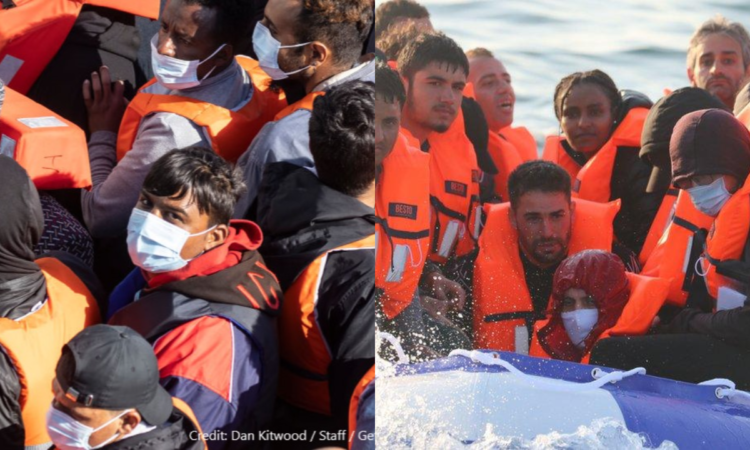
Smuggling gangs trying to move migrants across the English Channel are finding new ways to get large inflatable boats closer to the French coast, investigators have revealed.
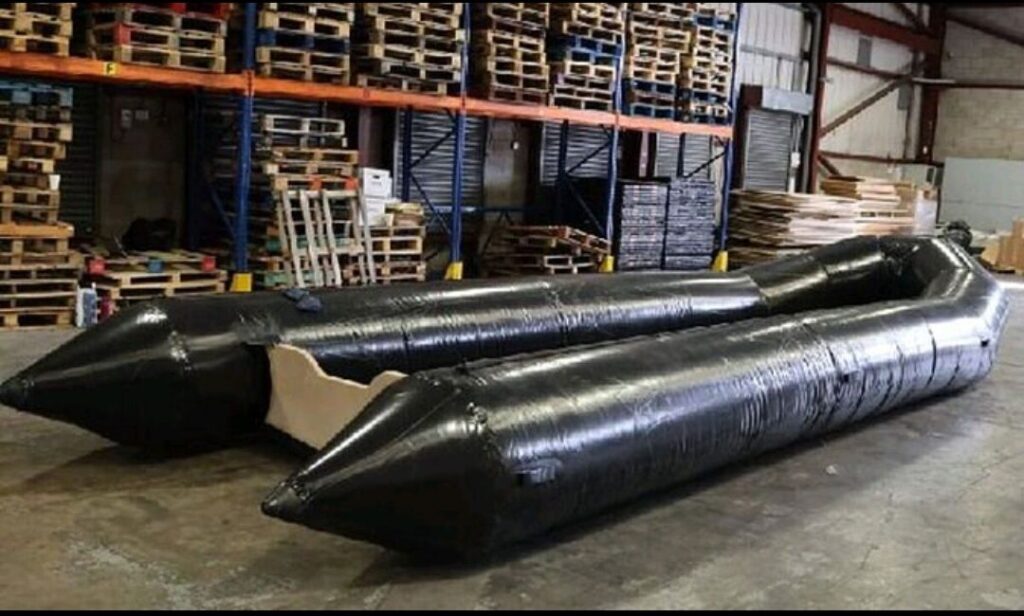
In one major discovery, the National Crime Agency (NCA) and Border Force seized 25 inflatable dinghies at a freight hub at East Midlands Airport.
Officials believe the boats could eventually have been used by criminal gangs involved in Channel crossings.
The vessels were discovered on pallets being transported by air freight from Turkey to the Netherlands. Investigators said each inflatable boat was around nine metres long and could potentially carry about 70 people.
If all 25 boats had been used at full capacity, officials estimate they could have carried around 1,700 people.
The discovery has raised concerns about the methods smugglers are using to move boats and other equipment across Europe. Instead of simply transporting the vessels by road, criminal networks are now suspected of using international air freight routes as part of their operations.
Investigators said this was the second time this year that equipment linked to small-boat crossings had been seized in the UK.
The NCA says it has been working with Border Force and international partners to disrupt the supply of boats and engines believed to be destined for people-smuggling networks.
NCA deputy director of investigations Craig Turner said officers are targeting both individuals and organised groups involved in supplying boats and engines used for Channel crossings.
According to Turner, operations in Britain and overseas have already resulted in more than 1,600 boats and engines being seized.
The NCA believes these seizures are making life more difficult and expensive for smuggling gangs because they must find replacement vessels and engines before they can organise crossings.
Turner said investigators had little doubt that the 25 boats found at East Midlands Airport could eventually have been used to carry large numbers of people across the Channel if officers had not intervened.
He warned that overcrowded inflatable boats can put many lives in danger, particularly when they are used to cross one of the world’s busiest shipping routes.
The investigation into the seized boats is continuing as authorities try to establish who was behind the shipment and where the vessels were ultimately intended to go.
The discovery comes as migration and Channel crossings remain major political issues in Britain.
Speaking during the Conservative Party Conference, Shadow Home Secretary Chris Philp said the Conservatives would dramatically increase removals if they returned to government.
He said a new Removals Force would aim to remove as many as 150,000 failed asylum seekers, foreign criminals and people who have overstayed their visas every year.
Philp also said a government led by Kemi Badenoch would seek agreements allowing Britain to return people to countries including Afghanistan and Somalia.
The Conservatives have also said they want to stop payments offered to some migrants who agree to leave Britain voluntarily, arguing that tougher enforcement is needed to regain control of the country’s borders.
The debate has become even more heated following recent Channel crossings.
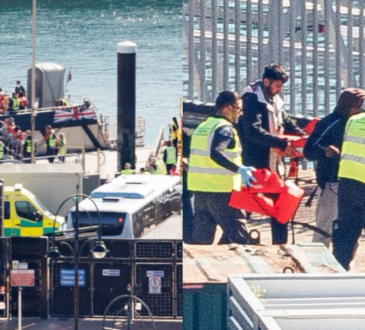
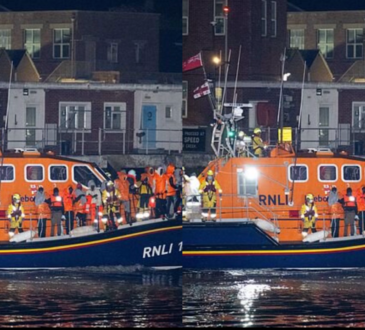
On Sunday night, 149 people were brought into Gosport after a boat carrying a large number of migrants was intercepted. Their arrival attracted protesters and a significant police presence in the area.
The situation drew particular attention because Gosport has strong links with the Royal Navy and sits beside Portsmouth Harbour.
There have also been further reminders of just how dangerous Channel crossings can be.
Two men died following another crossing in the early hours of Monday after problems developed on a dinghy travelling from the French coast.
Reports said people on board desperately tried to remove water and petrol from the vessel using their shoes. A fire then broke out following a petrol leak, creating an extremely dangerous situation for those on board.
The Conservatives argue that stopping boats alone will not solve the problem and that Britain must make it clear that people who enter or remain in the country illegally could be quickly removed.
Philp said authorities should make greater use of technology and government information to locate people who have no legal right to remain in Britain.
He suggested that live facial-recognition technology could be used to help identify people wanted by immigration authorities.
He also said government databases could help officials identify people attempting to claim benefits despite not having permission to remain in the country.
Another part of the proposed crackdown would involve increasing immigration enforcement raids at businesses suspected of employing people illegally.
Philp mentioned businesses such as car washes, vape shops and some high-street stores as examples of workplaces that could face greater scrutiny where there is evidence of illegal employment.
Under the Conservative proposals, people discovered to be living or working illegally in Britain would face faster removal.
Philp argued that the current system allows immigration cases to become tied up in lengthy legal proceedings involving asylum applications, modern slavery claims and human-rights arguments.
He said the Conservatives would seek major changes to that legal system to make deportations happen much more quickly.
For the NCA, however, the immediate battle is also happening far away from Britain’s shores. Investigators are trying to disrupt the supply chain before inflatable boats can even reach the beaches of northern France.
The seizure at East Midlands Airport shows how wide that operation has become. Boats believed to be suitable for Channel crossings can travel thousands of miles through different countries before reaching the coast.
By intercepting boats, engines and other equipment earlier in that journey, British authorities hope they can make crossings more difficult and reduce the profits being made by organised smuggling gangs.
The discovery of 25 large dinghies travelling by air freight also shows how quickly smuggling networks may change their methods when authorities block existing routes.
Investigators will now continue trying to identify the people connected to the shipment and determine whether it formed part of a wider network supplying boats for migrant crossings into Britain.