Man Who Entered UK Illegally as a Teen and Was Later Given Indefinite Leave to Remain Now Faces Prison After Police Found Disturbing ISIS Material on His Phone

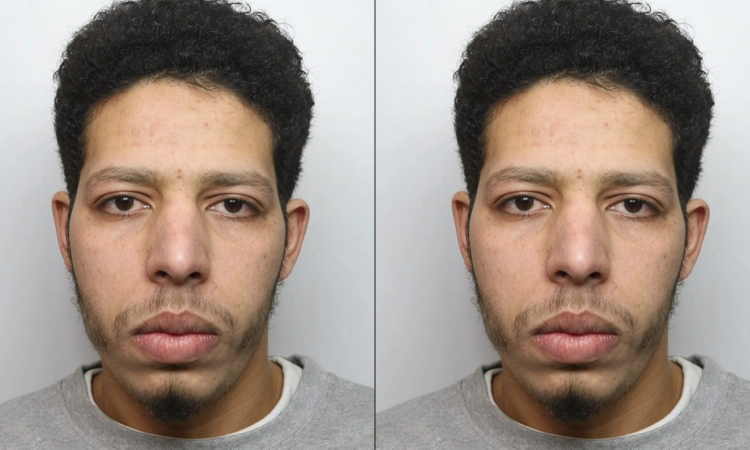
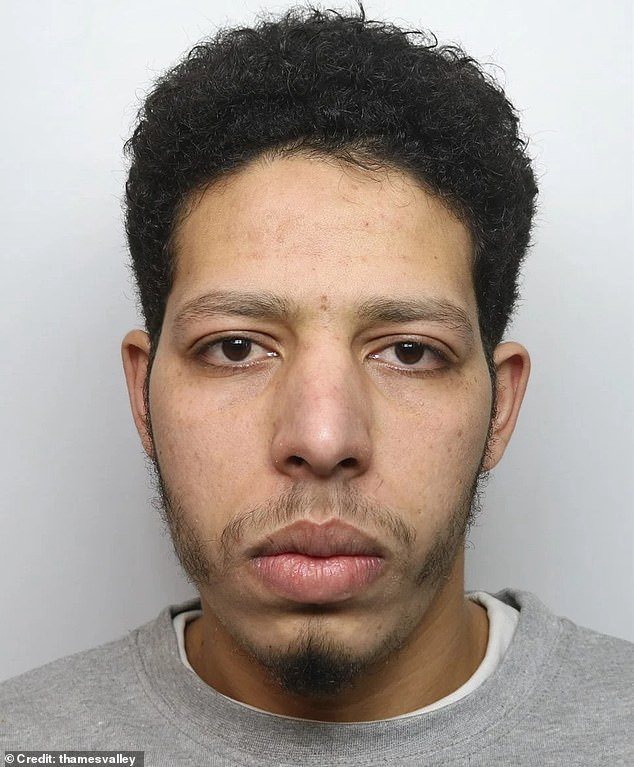
A man who entered the UK illegally as a teenager and was later given indefinite leave to remain is facing prison after being convicted of terrorism offences.
Abdullah Yousef, 24, was found with extremist material on his phone, including a document about homemade explosive belts that prosecutors said could be useful to someone planning a terrorist attack.
Yousef, who lives in Milton Keynes, was also accused of creating a Telegram channel where large amounts of terrorist material were shared. This included content supporting ISIS, also known as Daesh, as well as material explaining how explosive devices could be made.
The court heard that Yousef arrived in Britain illegally when he was around 15 years old. He claimed that he came from Syria, although prosecutors said evidence from the dialect used on his phone suggested that he may have come from Egypt.
Despite the uncertainty surrounding his background, the court was told that Yousef had been granted indefinite leave to remain in the UK.
His activities came to the attention of counter-terrorism investigators after they examined messages and files stored on his mobile phone.
Birmingham Crown Court heard that Yousef had shown a strong interest in extremist Islamist material, particularly content connected to ISIS, which is a banned terrorist organisation in the UK.
Investigators discovered messages in which he appeared to openly express his support for the group. In one message, he even wrote: “By the way, I am a terrorist.”
Prosecutors said evidence showed that in May 2024, Yousef was having a conversation with another person on Telegram when he received a link that was later used to make a pledge of allegiance to ISIS.
After that, investigators found a large amount of material suggesting support for the terrorist organisation.
Among the files discovered on his phone was a document relating to homemade explosive belts. Prosecutors described it as a guide connected to making suicide vests.
Although the document did not contain every instruction needed to build such a device, the prosecution argued that the information could still be useful to someone intending to carry out an act of terrorism.
Other messages allegedly showed Yousef actively looking for this type of information.
The case against him was largely built around evidence recovered from his mobile phone after his arrest at his home on December 16, 2025.
Police searched the property following his arrest and seized the phone. Investigators then examined its contents and discovered conversations, documents and other material connected to ISIS.
Yousef was also accused of running a Telegram channel that allowed other people to access large amounts of terrorist propaganda.
Some of the material included videos glorifying terrorist attacks. One charge related to a video showing the September 11 attacks on the United States, in which nearly 3,000 people were killed.
The video was shared around the 24th anniversary of the attacks in September 2025.
After a two-week trial at Birmingham Crown Court, a jury unanimously found Yousef guilty of several terrorism offences.
These included membership of a banned organisation and possessing information likely to be useful to someone committing or preparing an act of terrorism.
He was also convicted of six counts of distributing terrorist publications.
Counter-terrorism police said the case was particularly serious because extremist material shared online can reach people who may already be vulnerable to radicalisation.
Detective Chief Superintendent Oliver Wright, head of Counter Terrorism Policing South East, said Yousef had claimed to be a member of Daesh and had made large amounts of terrorist material available to other people.
Police said this included information relating to improvised explosive devices as well as a video glorifying the September 11 attacks.
Officers warned that spreading such material can encourage vulnerable people to develop extremist beliefs and could potentially motivate them to become involved in terrorist activity.
Yousef has now been convicted, but his punishment has not yet been decided. He is due to return to Birmingham Crown Court at a later date to be sentenced and now faces the possibility of a lengthy prison term.