Thousands of Asylum Seekers Could Be Moved to a New Place in Britain, But They May Not Be Happy When They Find Out Where They Will Be Living

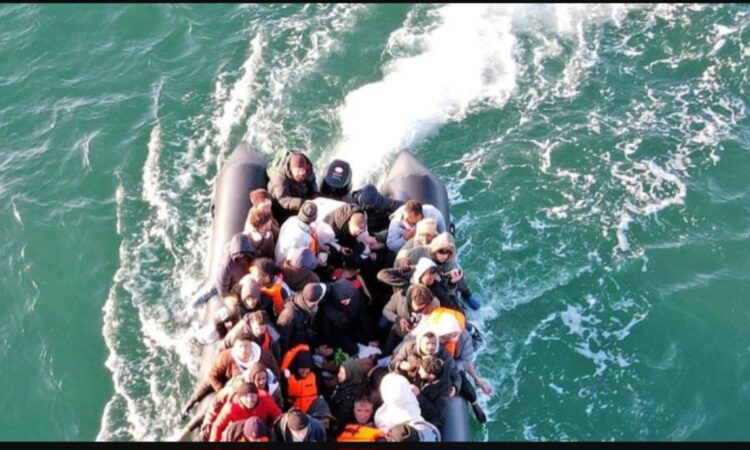
A Labour MP has raised serious concerns about government plans to move asylum seekers into former military bases across Britain, saying these places are not the best way to accommodate people who have arrived in the country seeking protection.
Peter Prinsley, a Labour MP, believes the government should find better places for asylum seekers to live instead of using old military buildings and camps. He argues that people who have travelled to Britain seeking safety should be given suitable accommodation while their asylum applications are being considered.
His comments come as the government continues to face growing pressure over the cost of housing asylum seekers, especially those staying in hotels paid for with public money.
For several years, the UK has spent large amounts of money providing accommodation for people waiting for decisions on their asylum claims. This has led to criticism from politicians and members of the public who believe the money could be better spent on other services.
To reduce these costs, the government has looked at using former military bases as an alternative to hotels. The idea is to move asylum seekers into larger buildings where many people can be accommodated in one place.
Supporters of this approach believe it could help the government save money and reduce the number of hotels being used to house asylum seekers. They argue that former military facilities could provide a practical solution while the government works to clear the backlog of asylum applications.
However, Prinsley believes the government should think carefully before moving people into these places.
He is concerned that former military bases may not provide the kind of living conditions that asylum seekers need, especially those who have already experienced difficult situations in their home countries.
Some asylum seekers arrive in Britain after fleeing war, violence, threats or persecution. Others have travelled through several countries before reaching the UK, sometimes facing dangerous conditions along the way.
Critics of military accommodation believe placing such people in former army camps could make their situation more difficult, particularly if the buildings are isolated from local communities or lack suitable facilities.
There are also concerns about access to healthcare, transport and other important services. People living in remote military facilities may find it harder to attend medical appointments, get legal advice or receive support while waiting for decisions about their future.
Prinsley’s position has added another voice to the debate over how the government should deal with the growing demand for asylum accommodation.
The issue has divided opinion across Britain, with some people supporting the use of military bases and others calling for a different approach.
Those who support the government’s plans believe the country cannot continue spending large amounts of money on hotels. They argue that taxpayers should not have to keep paying expensive accommodation bills when other government-owned buildings may be available.
Some also believe using military sites could help reduce pressure on towns and cities where hotels have been converted into accommodation for asylum seekers.
However, opponents say saving money should not be the only thing ministers consider when deciding where people should live.
They believe the government has a responsibility to provide safe and suitable accommodation, even while trying to control spending.
Another concern is how long asylum seekers might have to remain in these facilities. Although such accommodation may be introduced as a temporary measure, critics worry that people could end up staying there for months while waiting for their applications to be processed.
This could become particularly difficult for people who need regular medical treatment or additional support.
The wider debate also raises questions about the government’s ability to deal with asylum applications quickly enough.
When decisions take a long time, people may remain in government-funded accommodation for extended periods. This increases costs and makes it harder for officials to find space for new arrivals.
Some believe the best way to reduce accommodation spending is to speed up asylum decisions so that people who qualify for protection can move forward with their lives, while those whose claims are refused can have their cases dealt with under immigration rules.
For the government, the challenge is finding a solution that reduces spending without creating further problems.
Ministers are under pressure to show that they are taking control of asylum accommodation costs, particularly at a time when many households across Britain are struggling with rising living expenses.
At the same time, politicians such as Prinsley are questioning whether moving asylum seekers into former military bases is the right answer.
His intervention comes as the country continues to debate how much public money should be spent on asylum accommodation and what kind of facilities should be used.
While some people see former military bases as a cheaper and more practical option, others believe these sites could create new difficulties for both asylum seekers and the communities around them.
The disagreement shows how difficult the issue has become, with the government facing pressure from different sides.
For now, the central question remains whether former military bases can provide suitable accommodation at a lower cost, or whether ministers should look for other ways to house asylum seekers while their applications are being decided.