Young British People Asked If They Would Fight for the UK If World War 3 Breaks Out, But What a New Survey Revealed About Their Answers May Surprise Many Brits

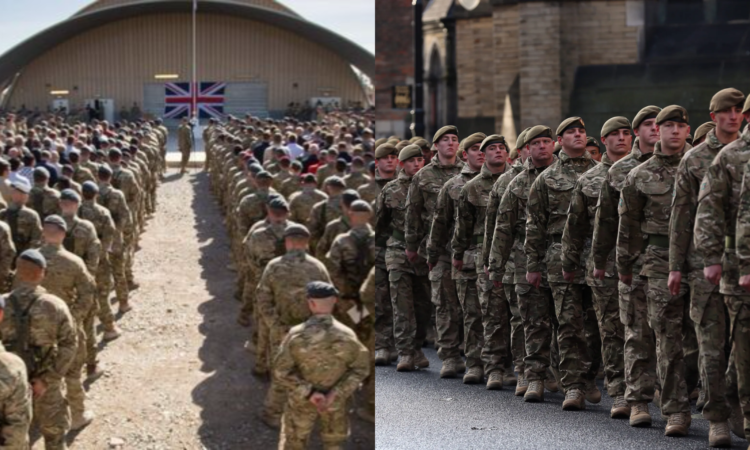
A new survey has revealed how many young people in Britain would be willing to join the military if World War 3 broke out, raising serious questions about whether the country would have enough people ready to fight in a major war.
With growing tensions around the world and fears of another global conflict, concerns are increasing about what could happen if Britain was dragged into a war. One of the biggest questions is whether the UK Government would bring back compulsory military service, which would force certain people to join the armed forces.
Compulsory military service, also known as conscription, was last used in Britain in 1963. Although there are currently no plans to bring it back, some experts believe the Government might have to consider it if a major war broke out and the country needed more soldiers.
However, a new survey suggests that convincing young British people to fight for their country could be a major challenge.
The British Social Attitudes Survey questioned 4,656 people aged 16 and over about their views on military service and national defence.
The findings showed that only 22% of people under the age of 35 were willing to join the armed forces or considered doing so very important.
This means that a large majority of younger people did not express the same level of willingness or importance when it came to serving in the military.
The results have raised concerns because younger adults would likely be among the first groups considered if compulsory military service was introduced again.
The survey comes at a time when international tensions are increasing, particularly because of Russia’s actions and growing concerns about military conflicts involving major world powers.
There have also been worries about tensions involving the United States and Iran, with American military movements in the region adding to fears of a wider conflict.
Interestingly, the survey also found that more British people now see the United States as a possible threat, showing how public attitudes towards international security are changing.
Although there is no indication that Britain is preparing to introduce conscription, discussions have already started about who might be called up first if the country faced a serious military emergency.
During World War 2, Britain introduced compulsory military service shortly after declaring war on Germany on September 3, 1939.
At first, the Government had focused on men aged between 20 and 22, but the rules were quickly expanded to include men aged between 18 and 41.
According to information published on the UK Parliament website, the National Service (Armed Forces) Act required men within that age group to register for military service.
This meant that millions of British men could be required to serve their country during the war.
However, experts believe that if Britain introduced conscription today, the rules could be different because the country’s economy, workforce and military needs have changed significantly.
Historian and author David Swift previously suggested that unemployed university graduates could be among the first people targeted for compulsory military service.
Speaking to the Daily Express, he said that calling up unemployed graduates could be a popular decision among some members of the public.
His comments suggest that young people who have completed university but have not yet found employment could be considered for military service if the Government decided to introduce conscription.
However, he also explained that not everyone would necessarily be required to join the armed forces.
People working in important industries, particularly those involved in producing military equipment and supporting Britain’s defence system, could be allowed to continue their jobs instead of being sent to fight.
According to Swift, Britain would need to increase its ability to produce weapons, equipment and other essential military supplies during a major conflict.
Because of this, workers in these industries might be exempt from military service.
He also suggested that some people could be required to work in defence-related industries rather than join the military directly.
This would allow the country to strengthen its military operations while making sure important factories and businesses continued working.
The latest survey has now added another concern to the debate, particularly about whether younger generations would be prepared to defend Britain if a major international conflict occurred.
While some people believe defending the country is a responsibility that citizens should be willing to accept, others have questioned whether young people should be forced to risk their lives in a war they may not support.
For now, Britain has no compulsory military service, and there has been no official announcement that the Government intends to bring it back.
However, the survey’s findings have raised an important question about Britain’s readiness for a future conflict and how the country would respond if it suddenly needed thousands of additional soldiers.
With only 22% of under-35s expressing willingness to serve or placing high importance on military service, the findings suggest that public attitudes could become a major challenge if Britain ever faced another world war.