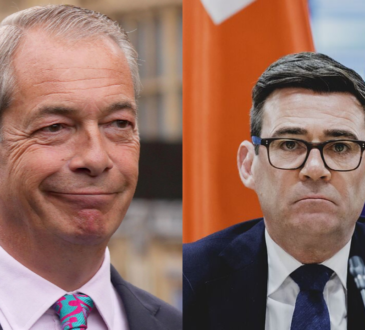
Nigel Farage Sends a Message to Andy Burnham and Reveals Why He Still Believes He Can Become Britain’s Next Prime Minister Despite Recent Setbacks

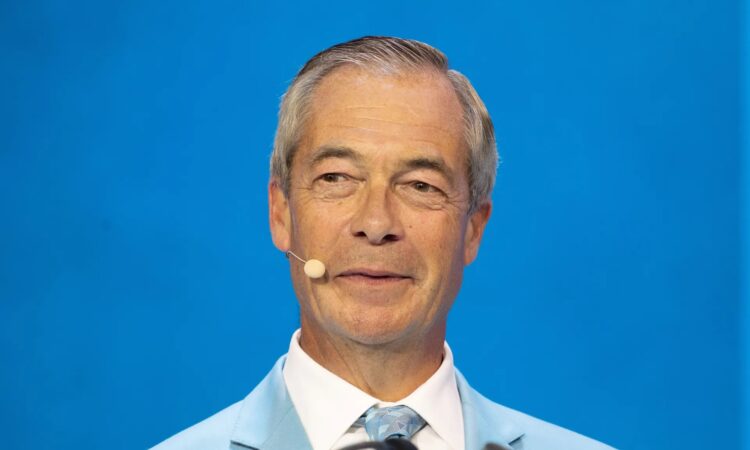
Nigel Farage has issued a fresh warning to Prime Minister Andy Burnham, insisting that Reform UK still has a strong chance of winning the next general election despite the challenges the party has faced recently.
The Reform UK leader believes Labour could lose the support of millions of British voters over its decision to build closer ties with the European Union, bringing Brexit back into the centre of British politics.
Speaking to the Daily Express, Farage made it clear that anyone who thinks his chances of becoming Britain’s next prime minister are over should think again.
He believes the growing argument over Brexit could help Reform UK regain support and remind voters why he spent so many years campaigning for Britain to leave the European Union.
Farage also suggested that the next general election could come as early as May 2027, although no election date has been officially announced.
His comments come after Burnham reached a new agreement with the European Union during a recent meeting in Brussels.
The agreement covers food and farming, emissions trading and opportunities for young people to travel, study and work abroad.
Burnham believes the deal will help British businesses, reduce unnecessary paperwork and provide a major boost to the country’s economy. He has claimed that the agreements could eventually bring economic benefits worth £17 billion a year.
However, Farage strongly disagrees with the Prime Minister’s approach, arguing that Britain risks losing control over some of its own decisions by accepting European rules.
In 2016, more than 17 million people voted to leave the European Union. Britain officially left in January 2020, following years of political arguments and difficult negotiations.
For many Brexit supporters, the referendum was about allowing Britain to make its own laws, control immigration and decide its own future without interference from Brussels.
Farage believes reopening the debate could damage the trust between Labour and voters who supported Brexit.
He has also questioned whether returning to the European Union would benefit Britain financially, claiming that membership could cost the country £40 billion a year.
However, this is Farage’s own estimate, and the actual financial cost of any future EU membership would depend on negotiations.
The Reform UK leader has also criticised suggestions that closer cooperation with European countries could solve Britain’s small boat crisis.
He argued that the previous Conservative government had the opportunity to control immigration after Brexit but failed to deliver on its promises.
Meanwhile, Farage has joined businessman Arron Banks to launch a new campaign called Keep Britain Out, aimed at opposing any attempt to take Britain back into the European Union.
Burnham, however, has defended his approach and has not announced plans for an immediate second Brexit referendum.
The Prime Minister has acknowledged that Britain could not reasonably return to the European Union without giving the British public another opportunity to vote.
Labour also remains committed to keeping Britain outside the EU single market and customs union during the current Parliament.
Supporters of closer European ties believe reducing trade barriers could help businesses, strengthen the economy and improve opportunities for ordinary British families.
Brexit supporters, on the other hand, fear that accepting more European rules could gradually weaken Britain’s independence.
The disagreement is likely to become an important issue in the coming years, particularly if Labour decides to make Britain’s future relationship with Europe part of its next election campaign.
Farage remains confident that he can challenge Labour for power, but whether British voters will support his plans or Burnham’s approach remains to be seen.
The growing political battle has once again raised an important question about Britain’s future and whether the country should remain firmly outside the European Union or reconsider its relationship with Brussels.