Biden’s ‘extravagant’ pension is largest of any president in history – and even more than what he earned as pre

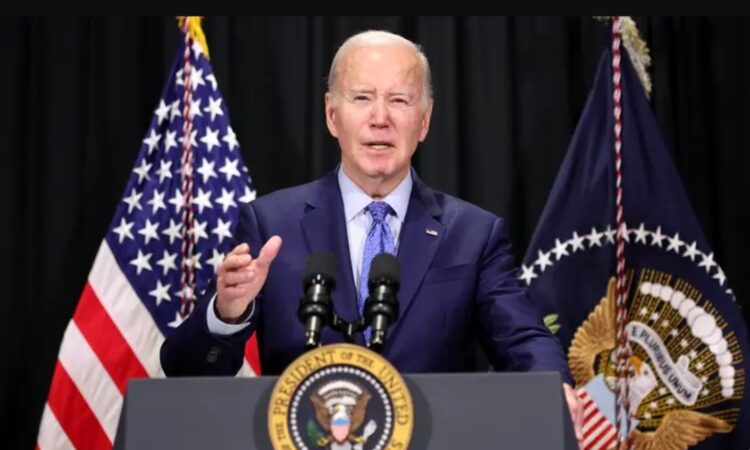
Joe Biden spent most of his adult life in government, serving for decades as a senator, then as vice president, and finally as president. Because of how long he worked in public office and how the rules are written, he is now set to receive the largest government-funded retirement package of any former U.S. president in history. Experts estimate that his total annual pension comes out to about $417,000 a year, which is actually more than the $400,000 salary he earned while he was president.
According to Demian Brady, a vice president at the National Taxpayer Union Foundation, Biden qualifies for money from two separate government retirement programs. This combination is rare and has never produced such a large payout before. Brady said it is historically unusual and, compared to all past presidents, likely the biggest pension ever funded by taxpayers.
Biden’s yearly retirement income is about twice what Barack Obama receives after leaving office. It is also roughly $17,000 more than Biden’s own presidential salary. The reason for this is Biden’s unique career path. He didn’t just serve as president. He also spent 44 years in the Senate and later served as vice president. Because of this, he can legally collect money from both the presidential retirement program and the older Senate retirement system.
Even though Biden once described himself as one of the poorest members of Congress earlier in his career, his long service allows him to benefit from rules that let him collect from more than one taxpayer-funded pension. One program comes from the Former Presidents Act of 1958, and the other comes from the Civil Service Retirement System, which covers longtime senators who entered office before the system was changed to be less generous.
The Senate pension is based on a formula that considers how many years someone served and their highest salaries during that time. In Biden’s case, his top earnings came when he was vice president, earning about $230,700 a year. Based on estimates, his Senate and vice-presidential pension alone could start at about $166,000 a year, including money set aside for spousal benefits. Without a legal cap, that amount could have been much higher, but current rules limit pensions to 80 percent of a person’s highest salary.
On top of that, Biden also receives a presidential pension. By law, a former president’s pension must match the salary of a Cabinet secretary, which is currently $250,600 per year. This law was created decades ago after concerns that former President Harry Truman was struggling financially after leaving office. Many historians now believe Truman was actually quite wealthy, but the law remains in place.
Beyond pensions, former presidents also receive additional benefits paid for by taxpayers. These include money for office space, staff, equipment, and other expenses, and they are provided for life. For the 2026 budget year, the government has set aside more than $1.5 million for Biden alone, including about $727,000 just for office space. That is more than what any other former president currently receives. There are no limits on how expensive the office space can be or how large it is, and it can be located in high-rent areas.
Brady raised concerns about whether it makes sense for relatively younger former presidents, like Obama, to receive taxpayer-funded office space for life, especially when those offices are often used to write books or arrange paid speaking events. He believes Congress should step in and change the rules to prevent future retirees from receiving pensions and perks as large as Biden’s.
Brady pointed out that Biden now makes more money in retirement than the sitting president earns while in office. While he acknowledged that Biden’s situation is unusual, he said it clearly shows a need for reform to stop such large payouts in the future.
There have been attempts to change these rules. In 2023, Senator Joni Ernst introduced a bill that would cap presidential pensions at $200,000 and reduce benefits like office space, staff, and travel. A similar bill actually passed Congress in 2016, but Barack Obama vetoed it shortly before leaving office, at a time when he himself would have been affected by the cuts.
Concerns about taxpayer-funded pensions do not stop with former presidents. Members of Congress can qualify for a pension after serving just five years, and these payments cost taxpayers about $38 million every year.
This issue gained attention when Representative Marjorie Taylor Greene announced she would leave Congress just days after reaching the five-year mark, which made her eligible for a pension of about $8,700 a year. While that amount is small compared to what long-serving lawmakers receive, such as Nancy Pelosi, who is expected to collect over $100,000 a year when she retires, Greene could still earn more than $265,000 over her lifetime from this benefit.
Overall, critics argue that these retirement benefits are overly generous and out of step with what most Americans receive, and they believe Congress should update the laws to reduce the burden on taxpayers going forward.