

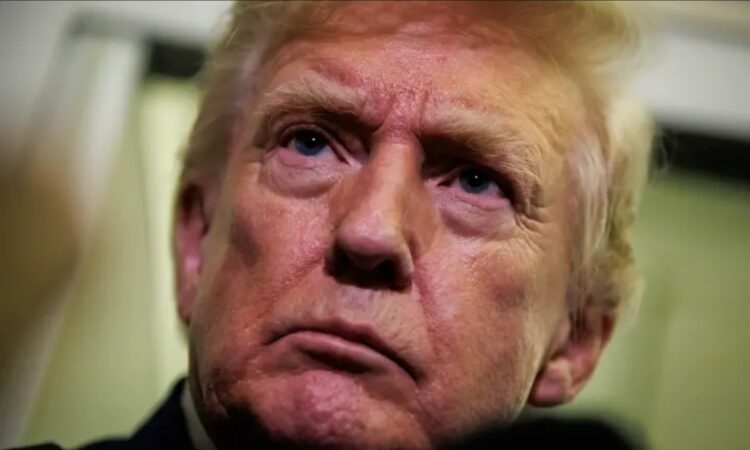
New polling numbers are raising alarms for Donald Trump and the Republican Party as the midterm elections approach. Trump has recently been posting repeatedly on Truth Social about voter fraud and voter ID laws, urging Republicans to make those issues central to their campaigns. In one particularly intense post, he warned that the party must focus heavily on claims of voter fraud.
Critics argue that this kind of message is less about protecting elections and more about laying the groundwork for stricter voting rules that could reduce turnout among certain groups of voters.
Trump’s sense of urgency appears tied to troubling poll numbers. One recent survey shows his approval rating at just 38 percent. Another poll finds Democrats leading by six points in the generic ballot for the House of Representatives, which asks voters which party they would support without naming specific candidates. Polling averages also show Trump’s approval rating on immigration traditionally considered one of his strongest issues falling to some of its lowest levels.
Data analyst Lakshya Jain, who oversees political data for the podcast The Argument, took a closer look at the numbers and says the situation may be even more challenging for Trump than it first appears. According to Jain, when you break down the polling by issue and voter group, the trends suggest deeper problems, especially on the economy.
The economy has historically been viewed as a Republican strength, and Trump has long portrayed himself as a strong economic manager. However, recent polling indicates that voters are increasingly dissatisfied with economic conditions.
Rising costs, concerns about wages, and uncertainty about trade and fiscal policy may be contributing to this shift. If voters lose confidence in Republican leadership on the economy, it removes one of the party’s most reliable advantages.
At the same time, immigration another issue that has energized Trump’s base in the past is no longer providing the political boost it once did. While immigration was previously seen as a strong point for Trump and the GOP, recent surveys suggest voters may be unhappy with how the issue is being handled.
It is unusual for a Republican president to struggle simultaneously on both the economy and immigration, two areas that typically help the party in national elections.
This combination is what Jain describes as creating unusual political openings for Democrats. If Republicans are underperforming on their traditional strengths, Democrats may have more room to compete in districts that would normally lean Republican. Close races could tilt in their favor if economic frustrations and immigration concerns cut across party lines.
With the midterms drawing closer, Trump’s aggressive messaging about election rules may reflect his awareness of these challenges. When leaders focus heavily on claims about voter fraud and election integrity, it can signal anxiety about turnout and voter enthusiasm. Whether this strategy will energize Republican voters or further alienate independents remains to be seen.
Overall, the polling trends suggest a more competitive political environment than many expected. If Trump continues to face low approval ratings and Republicans struggle on issues that have traditionally been their strengths, Democrats could find themselves with opportunities in places that once seemed out of reach.





Just impeach the bastard and get it over with as he is most certainly destroying the coun try