Donald Trump Gets Hit with the Question Everyone’s Been Waiting for, Tries to Shrug It Off Like Nothing, But He Can’t Hide He’s Completely Thrown Off in Real Time

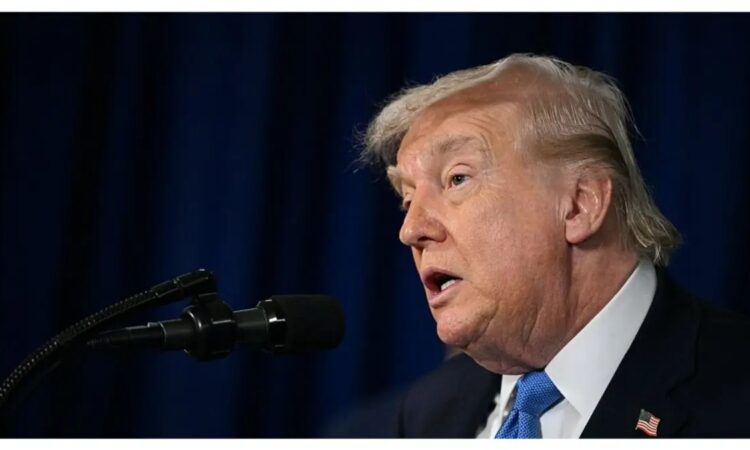
Over the past year, many journalists covering Donald Trump at the White House have been criticised for not asking strong enough questions. Instead of pressing him when he avoids answering, some reporters back off, especially when he responds angrily or dismisses them. This has created a pattern where difficult questions are often left unfinished because reporters don’t want to become targets themselves.
But on Monday, that pattern changed. As tensions around the ongoing conflict with Iran continued to rise and Trump’s language became more aggressive, one reporter chose not to hold back. He pushed forward with direct and uncomfortable questions, breaking away from the usual cautious approach.
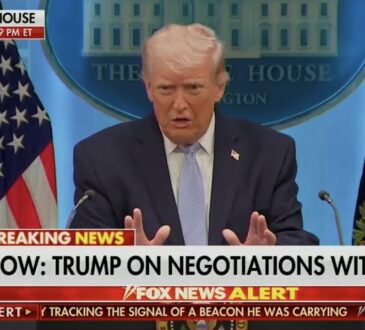
This happened shortly after Trump dismissed criticism about a controversial Easter post he made online. During the exchange, a reporter brought up a comment Trump made where he used harsh language to describe Iranians. Trump didn’t deny it and simply admitted it was true. That opened the door for the reporter to go further and ask how he responds to people who are concerned about his behavior.
Trump quickly shut that down, saying he doesn’t care about critics. But the reporter didn’t stop there. He continued and directly questioned whether Trump’s mental state should be examined, especially given the seriousness of the ongoing war. This seemed to catch Trump off guard. Instead of answering clearly, he shifted the focus and defended himself, saying the country needed more people like him and claiming that he had helped fix problems in trade and other areas.
His response didn’t directly address the concern, and that is why the moment spread quickly online. Some people praised the reporter for asking a question others had avoided for a long time. Others felt Trump’s answer only made the concerns stronger rather than easing them.
This exchange came at a tense time. Just days earlier, Trump had increased his strong and aggressive language toward Iran, including making demands and threats related to a key global shipping route. The situation has been building, with deadlines, warnings, and no clear resolution.
Reactions in Washington have been unusually strong. Even some people who previously supported Trump have started to express concern. Others have warned that his words could make the conflict worse and put more lives at risk. There are also growing discussions about whether his behavior raises serious leadership concerns.
At the same time, the war itself is not going as expected. Despite earlier claims of progress, recent developments show that the situation remains dangerous and unpredictable. People are being killed, many have lost their homes, and the conflict is continuing without a clear end.
All of this has made moments like this press exchange more important than usual. It is no longer just about political arguments or media drama. The questions being asked now carry real weight because of what is happening in the world.
For a leader who often ignores criticism, this moment shows a shift. Reporters are starting to push harder, and the stakes are much higher. How these questions are answered now matters more than ever, because the consequences are no longer just political—they affect real lives.