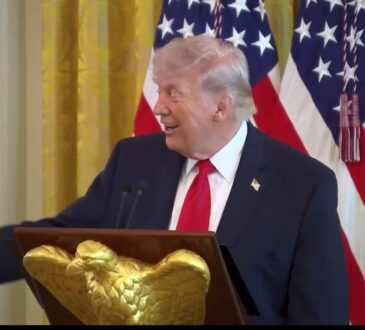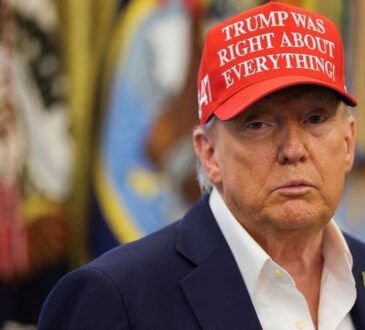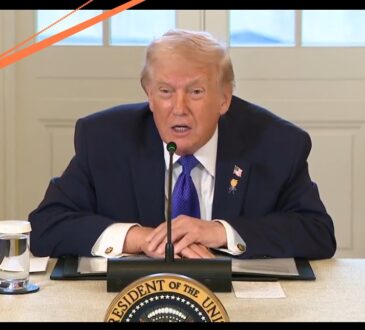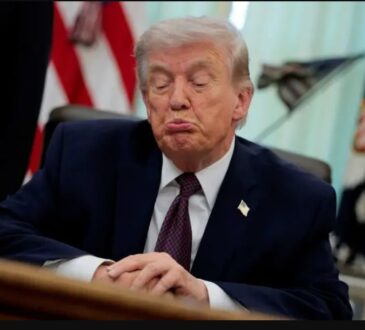

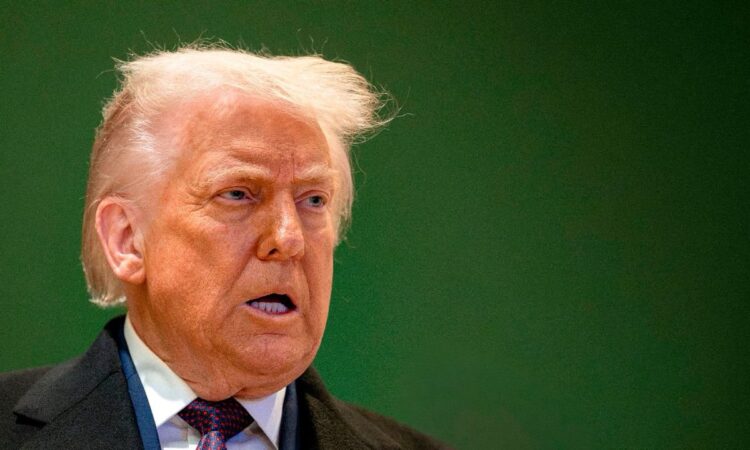
Donald Trump has been at the center of growing speculation about his health in recent months, as a series of unusual appearances and unexplained physical signs have continued to raise questions.
Despite repeated assurances from the White House that he remains in strong condition and is working tirelessly, concerns have not fully gone away. The latest wave of attention started when it was suddenly announced that Trump would not be making any public appearances for the rest of the day. That decision stood out because it broke from his usual routine, especially given how often he is seen out in public or playing golf.
The unexpected schedule change quickly led to rumors, with some suggesting he may have been receiving treatment at Walter Reed National Military Medical Center. His spokesman, Steven Cheung, pushed back strongly against those claims, insisting that the president had been working continuously and dismissing the speculation as false.
Even before that moment, people had already been paying close attention to Trump’s physical appearance. In March, photos taken during a Medal of Honour ceremony showed visible marks and scabbing on his neck. The discolouration covered a noticeable area, prompting questions about what might have caused it. The White House later explained that he was using a prescribed skin treatment and that the redness was temporary.
During that same event, observers also noticed that Trump appeared to struggle slightly while speaking, briefly stumbling over his words as he read from a teleprompter. While it was a short moment, it added to the growing list of small incidents that critics have pointed to when questioning his overall condition.
Trump, who is 79, is already among the oldest presidents in U.S. history, which has naturally led to increased scrutiny of his health. Last year, he revealed that he had undergone an MRI scan at Walter Reed National Military Medical Center, describing the results as “perfect.” According to his doctor, Sean Barbabella, the visit was part of a routine health check and included a range of tests, all of which reportedly showed that Trump was in excellent overall health.
Even so, public speculation has been difficult to contain. At one point, rumors spread widely online claiming that Trump had died, simply because he had not been seen in public for a few days. The claims gained traction on social media, despite having no evidence behind them. Trump later mocked the rumors, pointing out that he had only taken a short break from public appearances.
Other concerns have focused on specific physical details. A noticeable bulge under his suit during a public appearance led to online theories ranging from harmless clothing issues to more serious suggestions about hidden medical support. None of these claims were confirmed, but they added to the ongoing speculation.
There have also been repeated discussions about changes in the appearance of his hands. On several occasions, people noticed bruising or differences in skin tone. Some suggested it could be related to aging, as skin naturally becomes thinner and more fragile over time. Medical experts have also pointed out that frequent handshaking, minor impacts, or even common medications like blood thinners can lead to visible bruising, especially in older individuals.
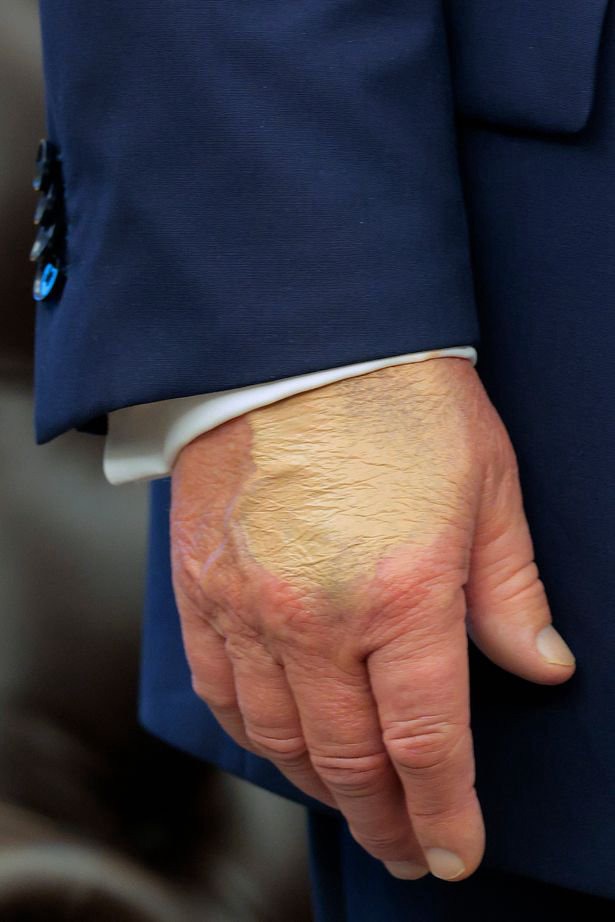
In one instance, the White House explained that the bruising could be linked to regular handshaking combined with the use of aspirin as part of a standard heart-health routine. Other experts suggested it might simply be a normal age-related condition or, at most, something minor like skin sensitivity or sun-related damage.
There were also observations of what appeared to be discolouration on his hands during a public address, along with comments from critics who claimed his voice sounded weaker than usual. Officials quickly dismissed those concerns, calling them exaggerated and politically motivated.
At another point, the White House confirmed that Trump had been diagnosed with chronic venous insufficiency, a condition that affects blood flow in the veins, particularly in the legs. According to officials, it was identified during a routine medical check and was being managed appropriately.
Taken together, these moments from visible marks on his skin to brief speech stumbles and schedule changes have created an ongoing cycle of speculation. Supporters tend to accept the official explanations, viewing the concerns as overblown or politically driven, while critics see a pattern that raises legitimate questions about transparency and long-term health.
What stands out most is not any single incident, but how quickly each new detail fuels wider discussion. In today’s environment, even small or routine medical issues can become major talking points, especially when they involve someone in such a high-profile position.