Donald Trump hit by new allegations of blatant corruption: ‘He just doesn’t seem to care’

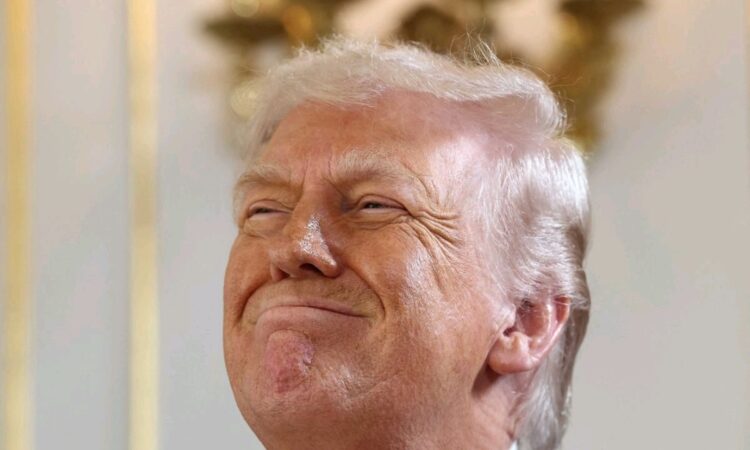
President Donald Trump is facing new accusations that he used his power to pardon people in exchange for large political donations. Critics say the situation looks like clear corruption and that Trump does not seem concerned about how it appears to the public.
The issue became more serious after reports suggested that wealthy individuals may have been able to buy pardons by donating money to groups connected to Trump’s MAGA movement. Steve Benen, an editor at MaddowBlog and a producer for “The Rachel Maddow Show,” wrote that the controversy around Trump’s pardons has grown louder and harder to ignore.
According to a report by The Wall Street Journal, Trump has granted pardons to people who were also generous donors or closely connected to donors. The report described what some insiders called a “pardon-shopping industry,” where lobbyists allegedly charge around $1 million just to try to secure a pardon. In some cases, people seeking pardons were reportedly willing to pay success fees as high as $6 million if the pardon went through.
One of the most notable cases involves Julio Herrera Velutini, a Venezuelan-Italian banker who was facing serious criminal charges, including felony bribery. Around the same time, his daughter, Isabela Herrera, donated $2.5 million to MAGA Inc., a political group supporting Trump.
Later, Herrera agreed to plead guilty to a much smaller charge related to campaign finance violations. This deal disappointed federal prosecutors, who had wanted a tougher punishment. Two months after that plea deal, Isabela Herrera donated another $1 million to MAGA Inc. Shortly afterward, Trump issued a pardon to her father. The White House claimed the donations were not connected to the pardon, but critics say the timing makes that explanation hard to believe.
Steve Benen commented that when the facts are laid out clearly, the situation looks very bad for Trump. He suggested that even without direct proof, the pattern raises serious ethical and legal concerns.
Trump also recently pardoned former Puerto Rico Governor Wanda Vázquez Garced. She had pleaded guilty to a corruption charge connected to her 2020 campaign. That scandal also involved campaign donations from Julio Herrera Velutini, further linking the cases together and deepening concerns about favoritism.
These pardons have caused many people to question how Trump decides who deserves clemency and what role money and political loyalty play in those decisions. Critics argue that the pardon power, which is meant to correct injustices or show mercy, is being used for personal and political gain.
Benen summed up the situation by saying that Trump appears to be openly abusing his pardon power. He argued that Trump knows what he is doing, understands that the public sees it, and simply does not care.
According to Benen, this attitude reflects a broader problem in Trump’s leadership style, where rules and norms are ignored as long as there are no immediate consequences.