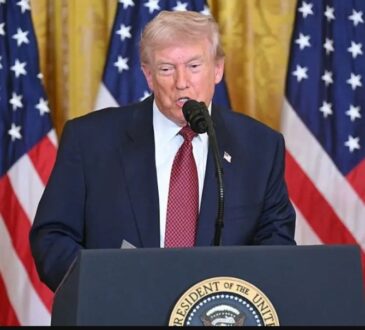

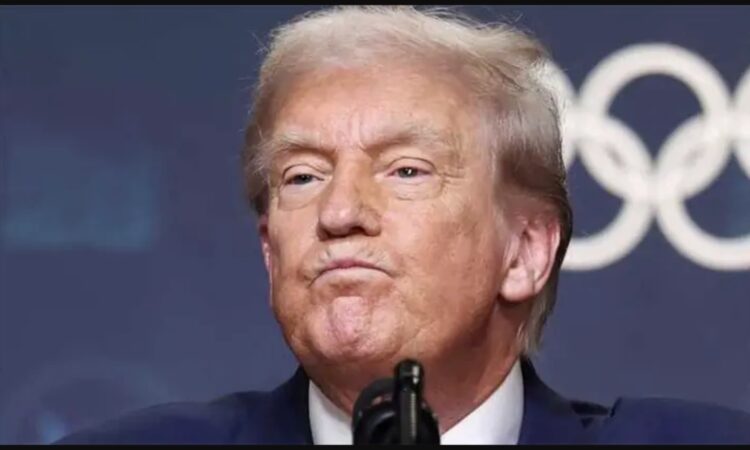
This piece is basically arguing that the current administration, led by Donald Trump, is acting recklessly and without seriousness, especially when it comes to war.
It starts by saying that one of the few “honest” moments from Pete Hegseth was when he openly suggested that the Pentagon is really about war, not just defense. The writer is pointing out that this strips away the usual language governments use to make military action sound more cautious or justified.
The author then criticizes Trump for sending troops into a conflict with Iran without clearly explaining what threat Iran posed or providing solid evidence. In simple terms, they’re saying the war doesn’t seem properly justified. They believe this decision will eventually damage Trump personally, but more importantly, it will harm how the rest of the world views the United States.
There’s also a sense that, even after Trump is gone, the damage won’t just disappear. Unlike in the past, the writer thinks other countries won’t simply move on or forgive easily this time. The idea is that serious global consequences come from leaders who aren’t taking things seriously enough.
The article paints Hegseth as more focused on arguing with the media than addressing the realities of war, like soldiers being killed. It also suggests that the administration is trying to present the war in a way that appeals to certain supporters—almost like turning it into something that looks “cool” or powerful rather than something tragic and complex.
The White House is accused of doing something similar, using flashy videos and messaging that make war seem more like entertainment or a video game. Meanwhile, the rest of the world is watching this and reacting with concern or disbelief.
Another criticism is that Trump appears disconnected from the seriousness of war. The example given is that he announced military action and then quickly returned to a social event, which the writer sees as insensitive given that people would be risking their lives.
The article also argues that Americans understand, at least broadly, what’s going on and why, suggesting that the war might be driven more by politics or distraction than necessity. There’s even a claim that it could be diverting attention from other issues, like controversies involving Jeffrey Epstein.
The writer believes that global consequences are already happening countries may start changing their alliances, trade relationships, and trust in the U.S. Even if American politics shifts in the future, those international changes could last much longer.
At the same time, the piece urges people not to give up. Even if the situation feels bad, it argues things could still get worse if people don’t push back. It encourages Americans to speak out, contact their elected representatives, protest if they oppose the war, and vote.
There’s also a warning that governments that act without careful thinking can quickly lose control of situations. For example, the mention of Iran closing the Strait of Hormuz is used to show how quickly things can escalate and affect the whole world, especially energy supplies.