Donald Trump says America will be ‘screwed’ if he loses Supreme Court ruling on tariffs

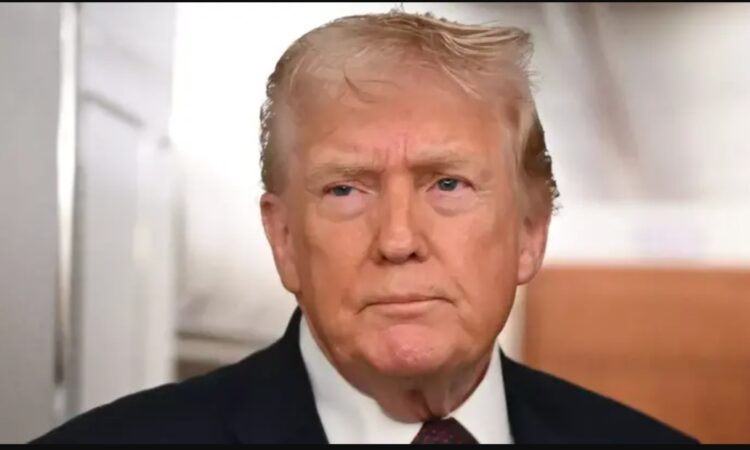
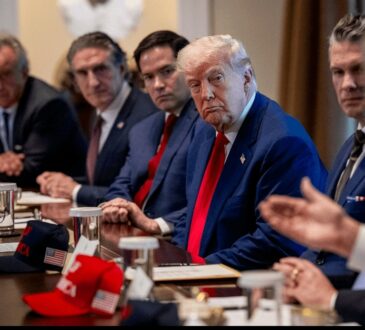
On Monday, the president openly admitted that the consequences could be enormous if the Supreme Court rules against him on the issue of tariffs. He warned that the financial damage could reach far beyond normal government costs and stretch into the trillions of dollars.
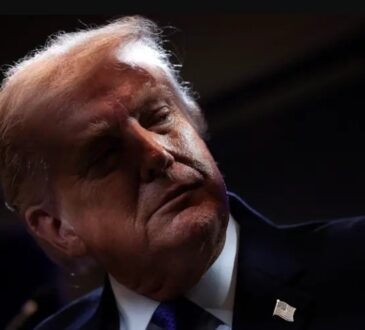
Donald Trump spoke very bluntly about his concerns, saying the United States would be “screwed” if the court takes away his authority to impose tariffs. He was referring to an upcoming Supreme Court decision that will determine whether he had the legal power to introduce large global tariffs without approval from Congress.
The case focuses on whether the president was allowed to use emergency powers to control trade, especially the wide-ranging tariffs he put in place last year. These tariffs affected goods coming into the U.S. from many countries around the world.
In a long post on Truth Social, Trump explained that if the court rules against the government, the U.S. could be forced to repay huge amounts of money. He said this could total hundreds of billions of dollars in refunded tariffs alone. On top of that, he warned that foreign countries and major companies could demand even more money to cover the investments they already made in factories, equipment, and production facilities. Many of those investments, he said, were made specifically to avoid paying tariffs in the future.
When all of those costs are added together, Trump claimed the total could reach into the trillions of dollars. He described the situation as chaotic and said it would be nearly impossible for the country to afford such a massive financial hit.
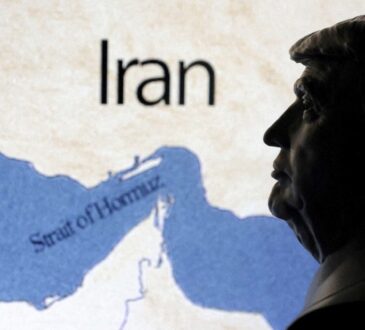
After returning to the White House for his second term, Trump used a law from 1977 called the International Emergency Economic Powers Act. This law allows presidents to take economic action during a declared national emergency. Trump declared such an emergency based on large U.S. trade deficits and used it to justify imposing tariffs on more than $150 billion worth of imports. These tariffs targeted countries including China, India, Canada, and members of the European Union.
Trump said the goal of the tariffs was to create fairer trade deals and push companies to manufacture products inside the United States instead of relying on foreign imports. He described the policy as “reciprocal,” meaning other countries would face similar treatment to what they imposed on American goods.
However, the size of the tariffs and the political reasoning behind them caused widespread backlash. Critics argued that the tariffs hurt American consumers by raising prices and made life harder for U.S. businesses that depend on imported materials. Foreign allies also complained about trade disruptions and customs issues.
Another major criticism was that Trump put the tariffs in place without approval from Congress. Many lawmakers and legal experts said this raised serious concerns about the balance of power and whether a president should be able to make such far-reaching decisions on his own.
Since the tariffs were introduced, more than 1,000 lawsuits have been filed against the government, including cases brought by some of the largest importers in the country. These legal challenges argue that the president overstepped his authority.
In May 2025, the U.S. Court of International Trade ruled that the tariffs were illegal. That decision was later upheld by a federal appeals court in August. The case was then sent to the Supreme Court, which was expected to issue a ruling on Friday but did not do so.
Trump said the issue is far too complex to resolve quickly and warned that anyone who claims otherwise does not understand the scale of the problem. He added that even figuring out how much money would be owed, who should be paid, and when those payments should happen could take years.
He ended his remarks by arguing that America’s economic strength affects the entire world. According to Trump, if the Supreme Court rules against the United States on what he called a national security and economic issue, the consequences would be devastating not just for America, but globally.