Donald Trump Throws a Late-Night Fit Because People Won’t Say the Full Name of His Bill — But Karoline Leavitt’s On-Camera Meltdown Somehow Makes It Even Worse

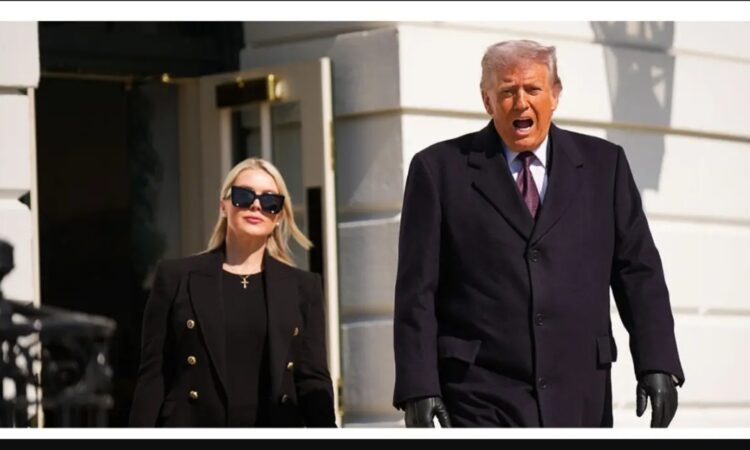
Donald Trump is known for getting angry when things don’t go the way he wants. Recently, one of the things upsetting him the most is that Congress has not passed a voting bill that he strongly supports.
Trump believes this bill is very important for protecting U.S. elections. He has been pressuring lawmakers to pass it and has even suggested that he might shut down the government if they refuse to move forward with it.
This week the situation got more attention after a tense press conference at the White House. Trump’s press secretary, Karoline Leavitt, tried to respond to criticism about the bill, but what she said ended up creating even more controversy.
The bill is officially called the Safeguard American Voter Eligibility Act, also known as the SAVE America Act. Critics, especially Democrats, say the law could make it harder for many Americans to vote.
One major concern involves married women who changed their last name after getting married. Their birth certificates often still show their original last name, which may not match the name they currently use.
During the press briefing, Leavitt strongly rejected these concerns. She said Democrats were spreading a false story about the bill. She insisted that the law would not stop Americans from voting. According to her, the only people who would be blocked from voting are non-citizens.
However, only moments later, while explaining how the law would work, she admitted that people who changed their name or address would need to update their documents before voting. That includes married women whose current last name does not match their birth certificate.
She said women who are already registered to vote would not be affected. But she also explained that people who changed their name or address would need to go through their state’s process to update their documents before registering or updating their voter registration.
Many people online quickly criticized her comments. Some said her explanation actually confirmed the concerns that critics were raising. Others accused her of not understanding the bill or said her response created even more confusion.
This argument is happening at a tense political moment because Trump has been pushing Republicans in Congress to pass the bill as quickly as possible. Over the weekend he posted on his social media platform, Truth Social, that he would not sign other legislation until the voting bill is approved. He called the bill a top priority and said he believes it could help Republicans win future elections.
Trump also said he would consider extreme actions if the bill does not pass. In one interview he said he would even be willing to shut down the government over the issue.
At the same time, Trump got upset about something much smaller. Some politicians and commentators had started calling the bill simply the “SAVE Act.” Trump reacted angrily online, saying that the correct name is the “Save America Act.” He said the full name is more important and better represents what the bill stands for.
The bill would require people registering to vote in federal elections to show documents proving they are U.S. citizens. These documents could include a passport, a birth certificate, or other official government records.
Republicans who support the bill say it would protect elections by making sure only citizens vote. They believe requiring proof of citizenship would strengthen election security.
But critics say the law could create problems for many people. Some Democrats argue that millions of Americans have names that do not match the names on their original citizenship documents. This situation is very common for married women who changed their last name.
One Democratic lawmaker pointed out that nearly 70 million married women in the United States have changed their last name. Their birth certificates still show their original names, which could cause problems when they try to prove their citizenship.
She also said that in her own congressional district in Michigan, about 160,000 women could have trouble registering to vote if their documents don’t match.
Leavitt rejected these warnings and said the real threat to voting rights is allowing non-citizens to vote. She argued that stopping illegal voting is the best way to protect American elections.
Even though Trump strongly supports the bill, it faces serious challenges in Congress. The House of Representatives passed it by a very close vote of 218 to 213. But the Senate has stricter rules, and the bill would need at least 60 votes to move forward.
Because Democrats strongly oppose it, many people believe it will not pass in the Senate. Senate Majority Leader John Thune said there simply are not enough votes right now to get the bill through.
Trump suggested that Republicans could try forcing Democrats into a long “talking filibuster,” but Thune said that strategy would not work because there are not enough votes to change the rules or force that situation.
Even with these challenges, the White House continues to push the bill as a key part of Trump’s political plans. Trump has also said that if Congress refuses to pass the law, he might try to introduce voter ID rules using executive action.
Trump has often claimed that the 2020 presidential election was unfair and full of fraud. He says that is why major election changes are needed. However, many studies and investigations have found very little evidence of widespread voter fraud in U.S. elections.
One analysis that looked at election data over nearly 40 years found that less than one percent of votes in presidential and midterm elections were fraudulent.
Because of that, many critics believe Trump’s claims about election fraud are politically motivated. Some people online say he only calls elections fraudulent when he loses or fears he might lose.
The debate about the bill continues as both sides argue strongly about whether it would protect elections or make voting harder for certain groups of Americans.