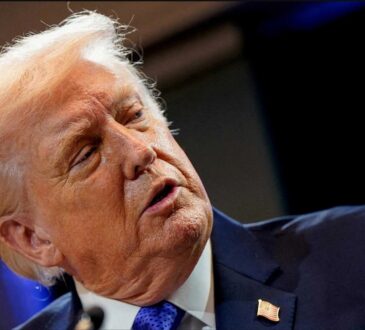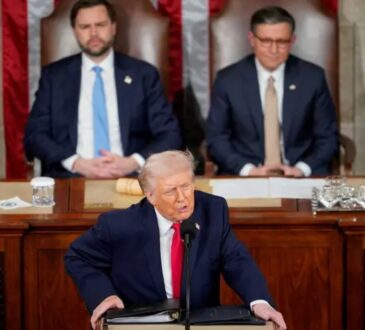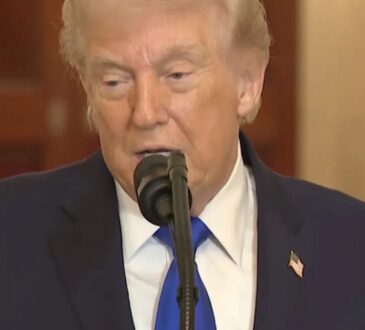

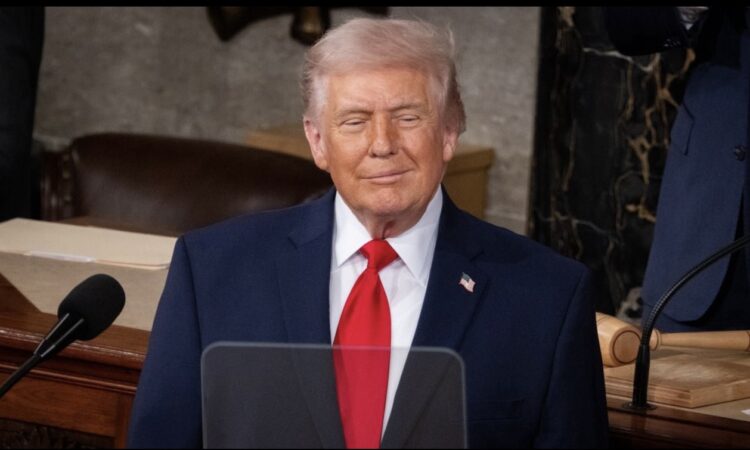
Donald Trump used his State of the Union speech to paint a picture of what he called a new “golden age” for America, describing a country that he claimed was stronger, richer, and more successful than ever before. But at the same time, the speech created a very dark and frightening image of everyday life, filled with danger, violence, and fear lurking around every corner.
The address, which became one of the longest of his presidency, moved quickly between big promises about economic success and emotional stories meant to shock and alarm viewers. Trump spoke confidently about factories reopening, jobs returning, and trillions of dollars flowing into the United States.
He claimed inflation was collapsing, incomes were rising fast, and the economy was booming like never before. Critics, however, argued that many of these claims did not match real economic data and accused him of exaggerating achievements to create a sense of national triumph.
Alongside these optimistic promises, Trump described America as a country under constant threat. He told disturbing stories of violent crimes, using graphic examples of young women being attacked or killed. In his telling, immigrants and political opponents were largely blamed for these dangers. The language was dramatic and emotional, clearly designed to provoke fear and anger among supporters while reinforcing the idea that the nation was under siege.
The speech also included carefully staged moments meant to inspire patriotism and pride. Special guests were brought into the chamber and honored during the broadcast, including military veterans and athletes. These moments drew loud applause and created powerful television scenes, helping turn the political speech into something closer to a televised event filled with emotional highlights.
Trump promised sweeping improvements across nearly every major issue facing Americans. He said housing costs would drop while property values stayed strong, health insurance prices would fall sharply despite recent increases, prescription drugs would become dramatically cheaper, and energy prices would decline thanks to agreements with technology companies building new power sources. Many observers questioned how such promises could realistically happen, noting that some of the numbers he cited were mathematically impossible.
The overall tone of the speech reminded critics of an ancient political strategy often described as “bread and circuses,” a phrase from Roman history used to explain how leaders distract the public with entertainment and grand promises instead of solving deeper problems. Trump’s speech mixed celebration, spectacle, and fear, offering hope and excitement while also warning supporters that enemies were threatening the country from within.
Throughout the night, Trump made little effort to appeal to political opponents or undecided voters. Instead, the speech focused almost entirely on energizing his existing supporters. He openly criticized Democrats in the room when they refused to stand and applaud, calling them unreasonable and accusing them of harming the nation. The message was clear: those who supported him represented the “real” America, while critics were portrayed as obstacles to national success.
This rhetoric came at a difficult political moment for Trump. Polls showed declining approval ratings and growing public dissatisfaction with key policies, especially immigration enforcement and the rising cost of living. Protests and criticism had become louder than at any earlier point in his presidency, creating pressure as upcoming elections approached.
Trump also raised concerns among critics when discussing voting laws. He described voting as a “privilege” rather than a right while promoting legislation that would tighten voting requirements. Supporters argued the measures were necessary to protect elections, while opponents warned they could make it harder for millions of eligible Americans to vote. He again hinted at past election claims, repeating doubts about previous results despite investigations finding no widespread fraud.
Unlike many presidents who use the State of the Union to request new bipartisan legislation, Trump focused mostly on defending actions he had already taken through executive orders and international deals. He suggested that congressional approval was not always necessary, reinforcing the image of a presidency centered heavily on executive power rather than cooperation with lawmakers.
By the end of the speech, Trump presented himself as a strong leader capable of solving national problems alone, offering bold promises, emotional storytelling, and sharp political division. Supporters saw confidence and strength, while critics viewed the address as an attempt to distract voters with dramatic language and grand claims during a time of political difficulty.
Whether Americans beyond his loyal base will accept that vision remains uncertain. Despite the powerful performance and passionate messaging, the country’s democratic institutions continue to function, elections remain competitive, and voters ultimately decide whether the promises and warnings delivered in speeches like this will shape the nation’s future.