Donald Trump Walks Right Into a Reporter’s Trap, Never Realizes His Desperation Is Being Used Against Him and What Comes Out Next Turns the Room Against Him

At this stage in Donald Trump’s second term as president, many of his critics no longer trust what he says. There is already a sense that his words often stretch the truth, but what he said on Monday about the war with Iran made people even more doubtful. It didn’t just sound questionable it made some people feel like he might be exaggerating or even making things up to make himself look stronger and more decisive.
As he kept talking, his story began to sound less convincing. He tried to explain why he decided to bomb Iran, but instead of giving clear details, he mentioned conversations with unnamed people and made claims that couldn’t be verified. This led many people online to question whether those conversations ever happened at all. Some even joked that it sounded like he was talking to himself rather than to real individuals.
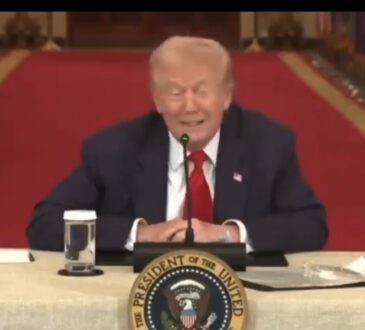
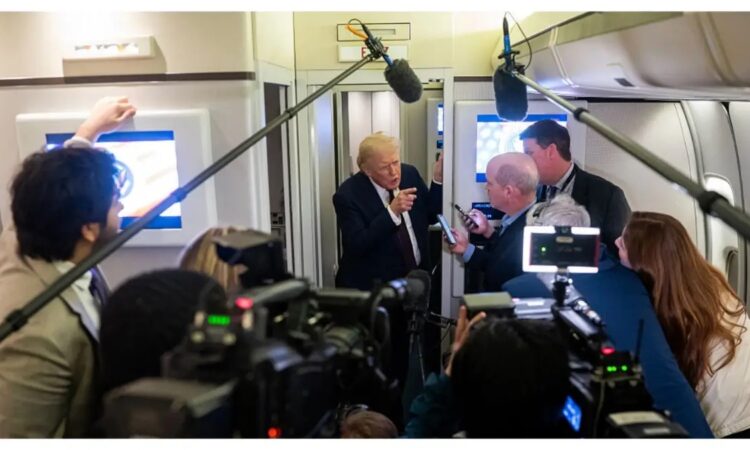
Things became more awkward during a press exchange when Fox News reporter Peter Doocy questioned him directly. Trump had earlier claimed that a former U.S. president told him they wished they had taken similar military action against Iran. When asked who that person was, Trump refused to give a name.
Doocy first asked if it was George W. Bush, but Trump said no. Then he was asked about Bill Clinton, and Trump hesitated, saying he didn’t want to reveal it. When Barack Obama’s name was suggested, Trump again avoided giving a clear answer. Instead, he spoke vaguely, describing the person as someone who likes him and whom he also respects. He claimed this unnamed individual told him, “I wish I did it,” referring to attacking Iran.
Despite being pressed several times, Trump continued to avoid naming the person. He said he didn’t want to get them into trouble and hinted that maybe he could ask them later if they wanted to be identified. His response came across as unclear and left many people confused rather than convinced.
Instead of clearing things up, his answers created even more questions. People began wondering who he could possibly be talking about, especially since the list of living former U.S. presidents is small and well known. When Doocy suggested he might be able to guess the name, Trump agreed, which made the moment even more strange. Some people watching felt like it was an uncomfortable exchange, while others thought it sounded almost like a joke.
Online reactions were harsh. Many people openly accused Trump of lying. Others made sarcastic comments, suggesting he was referring to himself. Some people went further, expressing concern about his mental state and saying his behavior reminded them of someone dealing with memory problems. A few responses showed sympathy instead of anger, with some saying his words reminded them of loved ones who had suffered from conditions like dementia.
There were also people trying to make sense of his statement logically. Some pointed out that Trump said the person “likes him,” which made it unlikely to be certain former presidents who have publicly disagreed with him. Others suggested that maybe he wasn’t talking about a U.S. president at all, but perhaps a foreign leader instead.
Earlier that same day, Trump made similar comments while defending his decision to strike Iran. He presented himself as the only president bold enough to take action, saying previous leaders had wanted to do it but never followed through. He claimed again that a former president told him they wished they had done the same, but once again refused to say who it was when reporters asked.
When journalists continued to press him for a name, he said he didn’t want to embarrass the person and even added that revealing it could harm their career — even though, as he put it, they no longer really had one. This only added to the confusion and skepticism surrounding his claims.
As the situation developed, it became clear that the issue was bigger than just one comment. Trump is trying to present the Iran conflict as a strong and successful decision, especially at a time when there is pressure both inside the country and internationally. Rising tensions in key areas like the Strait of Hormuz have affected oil prices and global trade, making the situation more serious.
To support his position, Trump has been making bold claims to show that other presidents lacked the courage to act, while he did what they could not. However, these claims are now being questioned heavily.
Reports later revealed that representatives connected to all living former U.S. presidents denied that any such conversation ever took place. A spokesperson for George W. Bush said they had not been in contact with Trump. Aides to Bill Clinton and Barack Obama also denied it, and sources close to Joe Biden said he was not involved either.
The White House did not give a clear response to these denials, which only added to the growing doubts.
In the end, instead of strengthening his argument, Trump’s comments left many people questioning his credibility even more. What was meant to show confidence and leadership ended up raising more suspicion, as people struggled to understand whether his story was based on real conversations or simply another claim without proof.