Donald Trump warned to watch what he wishes for as his key fantasy could lead to disaster

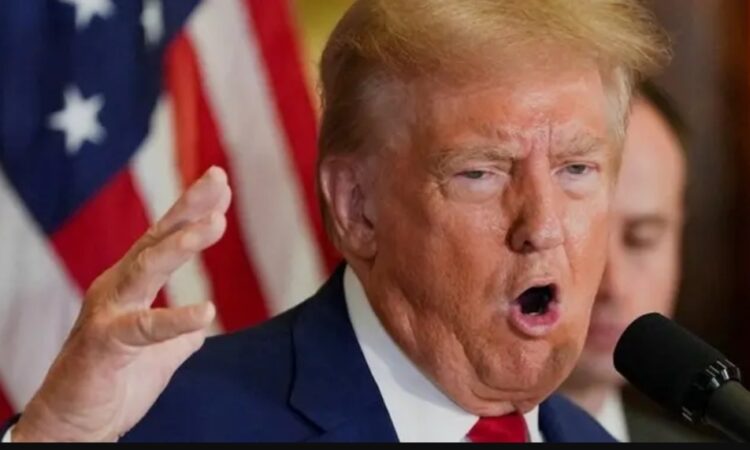
During his recent State of the Union address, President Donald Trump said that prices in the United States were going down. In reality, prices are not broadly falling. More importantly, some economists argue that even if they were, that would not necessarily be good news.
Jonelle Marte of Bloomberg explained that while many Americans feel financially squeezed and wish prices would return to what they used to be, a small amount of inflation is actually normal and healthy for the economy. Inflation means prices rise gradually over time. Deflation, on the other hand, is when prices consistently fall, and that can signal serious trouble.
When prices drop across the board, people often delay spending because they expect things to become even cheaper later. If consumers hold onto their money, businesses make less revenue. In response, companies may cut costs, freeze hiring, or lay off workers. That can slow the economy further.
Deflation also makes debt harder to manage. When prices and wages fall, the real value of loans, mortgages, and other debts increases. Even if someone is making the same monthly payment, that payment represents a bigger burden compared to their income. This can put households and businesses under greater financial stress.
Historically, deflation has often appeared during economic downturns. During the worst periods of the 2008 financial crisis, the United States briefly experienced falling prices along with extremely low interest rates. In general, widespread price drops happen when demand is weak and businesses struggle to attract customers.
Lower prices might seem helpful at first because they increase short-term buying power. But that benefit only matters if people feel secure in their jobs and income. In a deflationary environment, workers may fear layoffs or reduced hours, which can create anxiety and reduce spending even more.
Some economic commentators have also criticized Trump on other financial issues. For example, The Wall Street Journal’s editorial board has raised concerns about his support for a weaker U.S. dollar, warning that such policies can carry risks and unintended consequences.
Overall, while rising prices can be frustrating, most economists believe that steady, modest inflation is far healthier for the economy than a broad and lasting drop in prices.