Donald Trump’s ‘disturbing’ plan could exploit voting loophole against blue states: analysis

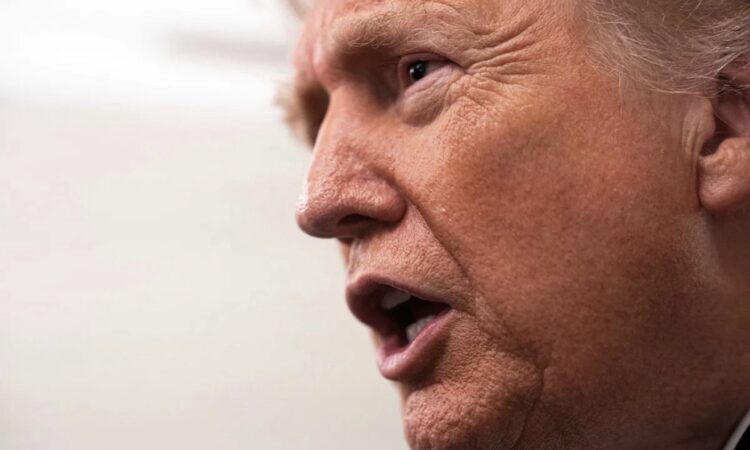
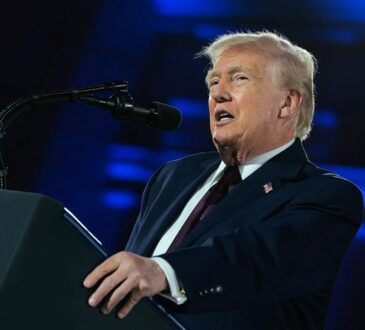
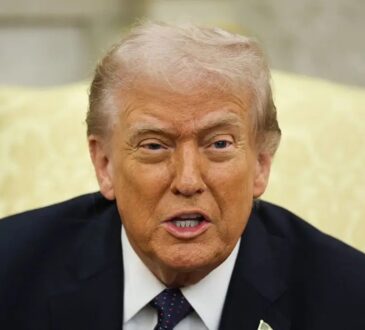
President Donald Trump has repeatedly floated the idea of “nationalizing” U.S. elections, a phrase that sounds vague but carries serious implications. While most Republican-backed voting restrictions including proposals like the SAVE Act are unlikely to pass outright, journalist Hayes Brown warned that Trump may still have a pathway to make this idea real. In an analysis published Monday by MS NOW, Brown argued that Trump could try to repurpose a law Republicans have spent years attacking: the Voting Rights Act.
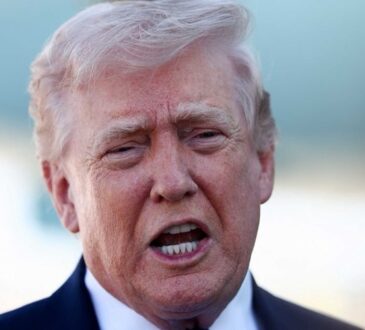
Brown pointed out that Trump himself has already hinted at how this could work. In an interview last week with NBCjournalist Tom Llamas, Trump singled out cities like Detroit, Philadelphia, and Atlanta, calling them “unbelievably corrupt” and claiming the country “cannot have corrupt elections.” As Brown noted, these cities all have large Black populations, making Trump’s comments hard to separate from race and long-standing voter suppression narratives.
At a basic level, Brown explained, Trump’s argument borrows language that sounds similar to the original purpose of the Voting Rights Act. The U.S. Constitution gives states primary control over how elections are run, but it also allows Congress to step in and set rules for federal elections. Historically, that power was used through the Voting Rights Act to ban discriminatory practices like poll taxes and literacy tests, which were designed to keep Black Americans from voting.
Although the Supreme Court of the United States later struck down the specific formula that determined which states needed federal approval before changing their voting laws, Brown emphasized that the idea of federal “preclearance” itself was never declared illegal.
That leaves open the possibility, at least in theory, that Trump and Republicans could try to revive preclearance in a new form this time aimed at Democratic-leaning states and cities. Such a move could be used to limit early voting, mail-in voting, and other methods that make voting easier and more accessible.
Seen this way, Brown argued, Trump’s talk of nationalizing elections becomes far more troubling. The areas Trump would likely target for federal oversight are many of the same places the Voting Rights Act was originally designed to protect.
Where Congress passed the Act with bipartisan support to enforce the Fifteenth Amendment and safeguard minority voting rights, Trump appears to favor placing extra scrutiny on majority-Black and minority-heavy communities instead.
Brown concluded by noting that, for now, only a small number of Republican lawmakers are willing to openly support this approach. Still, he warned that even without loud public backing, efforts to move in this direction could continue quietly and indirectly making Trump’s rhetoric more than just talk, and potentially a real threat to how free and fair elections function in the United States.