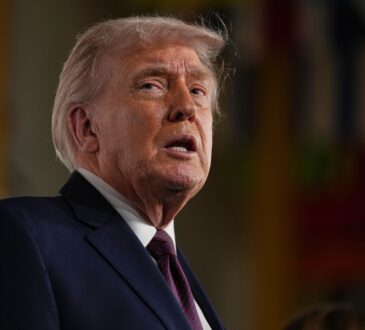

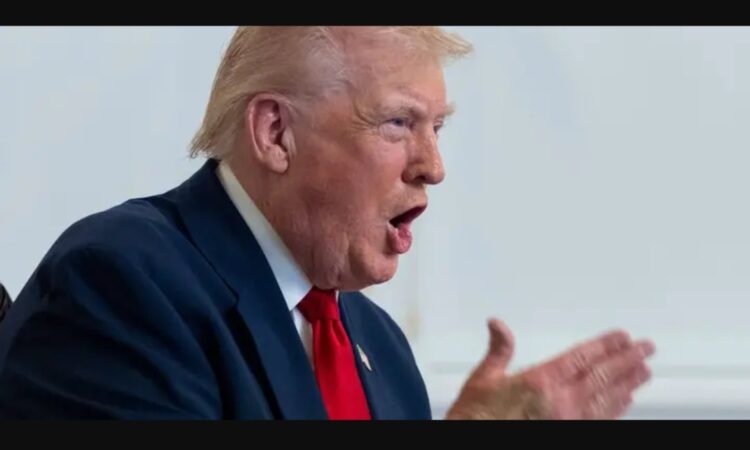
The president’s latest message sparked immediate pushback. Within minutes, people began pointing out a major problem in Donald Trump’s newest attack on Senator Mark Kelly of Arizona.
For several days, Trump has been speaking more aggressively about Kelly. Kelly, who once served as a Navy fighter pilot and later became a NASA astronaut, joined five other Democratic lawmakers in a video reminding U.S. service members that they have a legal duty to refuse unlawful orders. In American military law, troops are required to follow only lawful commands. If a president or any commander gives an illegal order, service members must reject it. The lawmakers repeated this long-standing rule, not as a political attack, but as a reminder of how the military is supposed to work.
Trump reacted by accusing them of committing “seditious behavior,” a very serious claim. He amplified posts calling for extreme punishments and then wrote an emotional message on Truth Social saying Kelly and the others were “unpatriotic” and trying to convince people to disobey the president. He framed their statement as if they were encouraging rebellion against him personally rather than emphasizing that troops must never carry out illegal actions, no matter who is in charge. The White House then reposted Trump’s message on X, bringing even more attention and criticism.
Although Trump’s core supporters expressed approval, many other commenters highlighted a basic point that Trump ignored: the lawmakers said to refuse illegal orders — nothing more. They did not tell troops to oppose Trump or any president. They simply restated a rule that has existed for generations, one taught in basic training and reinforced throughout military careers.
A large number of people reminded Trump that U.S. service members do not swear loyalty to a person. Their oath is to defend the Constitution, the foundational laws of the country. The president is the commander in chief, but even he must obey the Constitution, and he cannot legally order the military to break the law. People commented that suggesting otherwise misunderstands how American democracy and military duty work.
Some critics pointed out that calling lawful disagreement “sedition” is dangerous. In democracies, citizens and elected officials are supposed to question leaders and speak up when something seems wrong. Labeling any criticism as treason is the kind of attitude associated with authoritarian governments, where leaders demand personal loyalty and try to silence anyone who disagrees. Several commenters said that if Trump feels personally attacked by a reminder about illegal orders, he may be revealing his own concerns about the legality of certain actions.
Others noted that following an illegal order is itself a crime in the military, meaning troops can be punished if they obey something they know is unlawful. They argued that the lawmakers were doing the responsible thing by reminding service members of the rules, especially during times of political tension. Some suggested Trump’s anger might come from the idea that he believes presidents should always be obeyed without question, which is not how the American system was designed.
Many people repeated the basic principle: the Constitution is the highest authority, not the president. Some also argued that Trump’s comments seemed to ignore this fact and instead promoted the idea that disagreeing with the president is unpatriotic, even when the disagreement is about upholding the law. Commenters emphasized that in the United States, no individual — not even a president — is above the Constitution.
In the end, the overwhelming response from Trump’s critics was that refusing illegal orders is not rebellion, it is a legal requirement. Misrepresenting this principle, especially coming from a president, risks confusing the public and creating distrust in how the government and military are supposed to function.