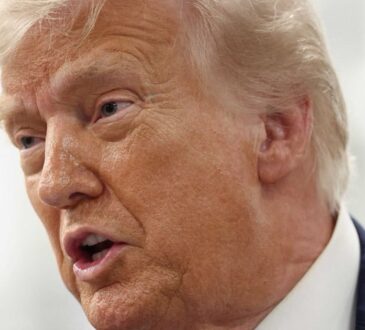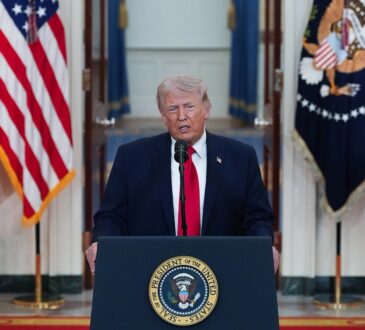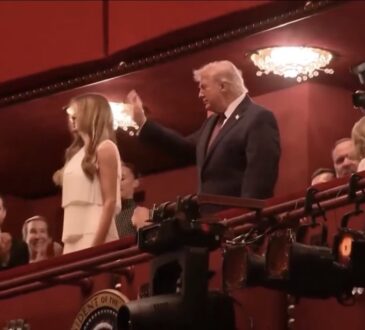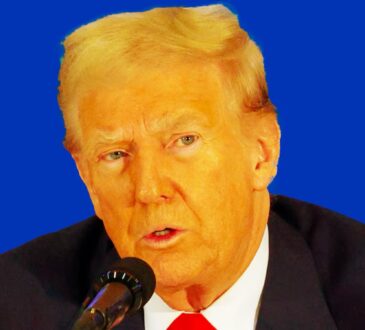

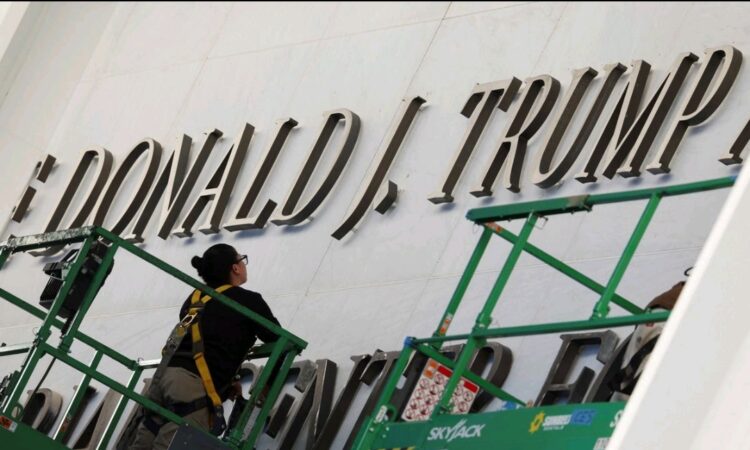
Donald Trump is facing growing criticism over what analysts are calling a failed attempt to take control of American culture, with his actions toward the arts now widely seen as backfiring. Instead of asserting dominance or winning support, his aggressive approach has pushed many artists into open resistance and strengthened their opposition to his leadership.
The backlash intensified after the board of the Kennedy Center announced plans to rename the iconic institution to include Trump’s name alongside President John F. Kennedy’s. For decades, the Kennedy Center has stood as a symbol of artistic freedom and cultural expression in the nation’s capital. It was built to honor Kennedy’s belief that artists are essential to a healthy democracy because they challenge authority, speak uncomfortable truths, and reflect society back to itself. Many in the arts community view Trump’s decision as a direct insult to that legacy.
Critics argue that Trump has little understanding of the purpose of art or culture beyond branding and self-promotion. The idea of a sitting president attaching his name to a memorial honoring a deceased leader has been described as deeply inappropriate and driven by ego. To many artists, it feels like a symbolic takeover of a space that was meant to remain above partisan politics and personal ambition.
Rather than complying, artists have begun withdrawing their participation. Performers who once considered it an honor to appear at the Kennedy Center have cancelled shows, explaining that they do not want to legitimize what they see as the seizure of a historic cultural institution. They fear that performing there now would tarnish the center’s history and signal acceptance of political interference in the arts.
The administration’s response has only worsened the situation. Reports of threats to sue artists for millions of dollars or to cut funding from organizations linked to them have reinforced fears of intimidation and censorship. However, these tactics have failed to silence creative voices. Instead, comedians, writers, musicians, filmmakers, and actors have become more outspoken, using satire, storytelling, and performance to criticize Trump’s actions and highlight the dangers of suppressing artistic freedom.
Well-known figures such as late-night hosts and filmmakers have woven themes of resistance, authoritarianism, and truth-telling into their work. Recent films and television shows have mirrored the political climate, reflecting anxiety, anger, and defiance among creatives who feel their role as cultural commentators is under attack.
Analysts say Trump’s mistake lies in believing that artists can be controlled in the same way as political allies or institutions dependent on power. Art, by its nature, resists control. When pressured or threatened, artists often respond with greater boldness and clarity. Attempts to intimidate them tend to fuel creativity rather than suppress it.
Despite expectations that funding cuts or legal threats would force compliance, the arts community continues to push back. Many see this resistance as one of the most powerful forms of protest against an increasingly hostile political environment. Through music, film, comedy, and literature, artists are shaping public memory and preserving dissent in ways that laws and speeches cannot.
Critics argue that Trump’s name may appear on the Kennedy Center for now, but it will not define the institution’s future. They believe history will remember this moment as a failed effort to dominate culture through force and ego. In contrast, the artists who refused to stay silent are likely to be remembered as defenders of creative freedom, ensuring that the values President Kennedy once championed endure long after Trump’s influence fades.