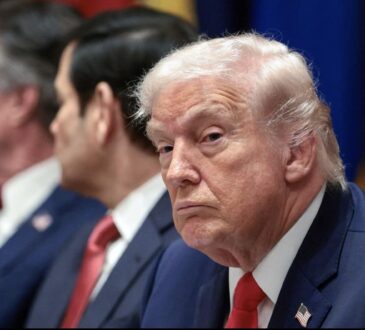

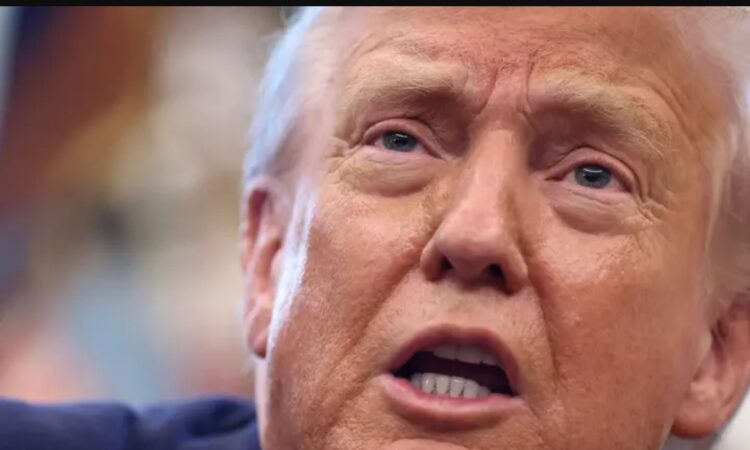
Donald Trump was speaking in the Oval Office, and political writer David Frum spoke with Michael Waldman, who leads the Brennan Center at New York University. They talked about how Trump and his administration might try to interfere with the 2026 midterm elections, and what protections exist that could stop them.
Frum asked what a president and a political party, especially one that still controls Congress, might do to tilt an election in their favor. Waldman said that while the president and his allies do have a lot of power and many ways to try to disrupt the normal election process, there are also real limits. He stressed that even though certain actions can be attempted, there are also strong safeguards and people who can push back. These protections can make sure that elections take place the way they’re supposed to, where voters—no matter who they support—get the final say.
At the same time, Waldman warned that this moment is unusual. He said that for the first time in American history, a presidential administration and the federal government appear to be actively working to weaken confidence in an upcoming national election. According to him, one major thing Trump has already tried is taking direct control over how the election system operates.
He and Frum talked about a range of steps Trump and his administration have taken or might take. For example, the administration pushed an executive order that would have required people to show a passport to vote. The courts blocked it, but a similar bill called the SAVE Act, which would require a passport or birth certificate to vote, passed the House of Representatives though it did not pass the Senate.
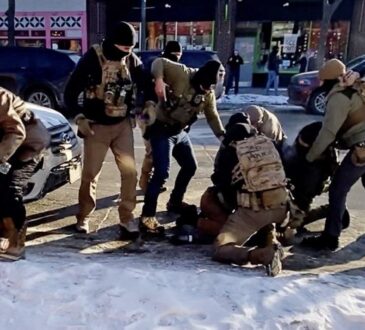
They also spoke about how the administration removed federal experts who work on election security, and how law enforcement agencies could be used in a political way. This includes the idea of placing federal agents—such as ICE or Border Patrol officers—near polling locations, or using the courts to influence voting.
Waldman pointed out that when Congress rejected the SAVE Act, Trump responded by posting online that he would try to sign an executive order to end voting by mail. Waldman summarized Trump’s message as claiming that state election officials work for the president and should count votes the way he wants. This kind of message, he said, is meant to intimidate people who help run elections.
Frum raised the concern that National Guard troops, if stationed near polling places, could hold voters for a few hours—long enough that they miss their chance to vote. Waldman jumped in and noted that these detentions have been jokingly nicknamed “Kavanaugh stops,” after the Supreme Court justice.
They also talked about gerrymandering, which is when political districts are drawn in a way that favors one party. Waldman explained that sometimes these strange district maps backfire. In a big wave election—when large numbers of voters turn out to oppose the ruling party—the map can accidentally help the other party win more seats. Experts sometimes call that kind of mistake a “dummymander.”
Waldman said that the Trump administration seems to be trying many different strategies at once. Taken together, these actions appear aimed at creating confusion and making people doubt that elections are free and fair. His concern is that by stirring up fear, suspicion, and uncertainty, it becomes easier for political leaders to pressure election workers or officials if an opportunity arises to challenge or overturn results.