ICE agent’s cell phone video proves deadly force excuse ‘asinine’: ex-FBI investigator

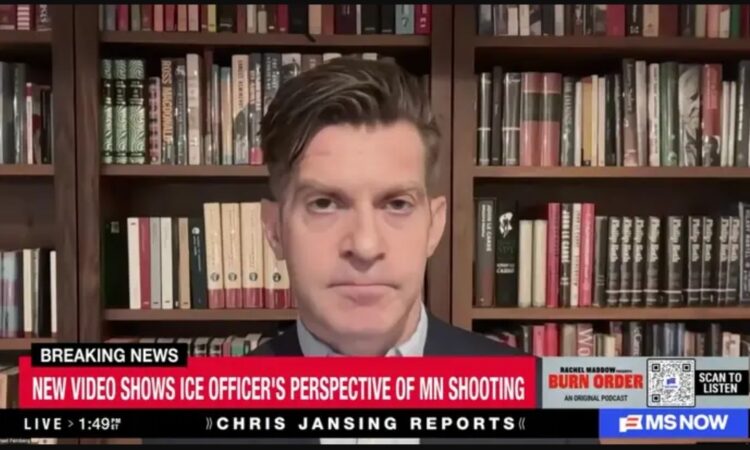
A former high-ranking FBI official says the leaked cellphone video connected to the fatal shooting of a Minneapolis mother raises even deeper concerns about what actually happened and whether the ICE agent’s actions were justified.
Michael Feinberg, who previously served as a special agent in charge with the FBI, explained that instead of clearing things up, the footage creates more doubt and highlights behavior that goes against basic law enforcement training and standards.
The video shows a tense but mostly verbal confrontation between Renee Nicole Good, her wife Becca Good, and ICE agents who were blocking the roadway. According to Feinberg, verbal frustration, sarcasm, or even disrespect from civilians is something officers are trained to handle calmly.
Law enforcement work often involves being yelled at, insulted, or filmed by the public, and officers are expected to remain emotionally steady in those moments. Feinberg emphasized that none of those behaviors amount to a threat that would justify using deadly force.
From his perspective, the situation shown in the footage does not appear to rise anywhere near the level that would require a fatal shooting.
Feinberg stressed that emotional control is one of the most important traits officers are screened for before being hired. Training exists precisely because officers must deal with stressful, chaotic, and sometimes humiliating situations without losing their composure.
Being talked back to, mocked, or recorded on a phone is not dangerous. It is not life-threatening. At most, it is an irritation that officers are expected to tolerate as part of their duty. When an officer reacts emotionally or aggressively to something so minor, it raises red flags about judgment and professionalism.
Another major concern Feinberg raised was the fact that the ICE agent involved was filming the encounter on his personal cellphone. He questioned why an officer would be recording civilians instead of focusing on de-escalation and situational awareness.
Law enforcement officers are not hired to create videos or document confrontations for personal use. Their role is to manage situations safely and lawfully. Feinberg suggested that filming a civilian during a tense interaction only distracts the officer and increases the risk of poor decision-making.
He also pointed out that if an officer truly fears for his life, holding a phone makes no sense. Officers rely on having both hands free to access protective equipment or respond quickly if a situation escalates.
Feinberg said that in his own long career in law enforcement, there was never a moment where he would have chosen to record someone if he genuinely believed he was in danger. Fear and filming simply do not go together, and the combination undermines claims that deadly force was necessary.
The situation becomes even more troubling when considering the language used by one of the ICE officers just moments before the shooting. In the video, an officer is heard calling Becca Good a degrading slur. Feinberg described this as a serious breach of professionalism.
Using abusive language toward civilians not only escalates tension but also shows a lack of emotional control. If an officer is resorting to insults, it suggests frustration or anger rather than fear, which again calls into question the justification for firing a weapon.
Feinberg also criticized public figures for commenting on the incident before the investigation is complete. He expressed concern that Vice President JD Vance shared the video publicly and that former President Donald Trump suggested Renee Good was responsible for her own death.
Feinberg argued that these statements are irresponsible, especially when coming from individuals who do not have a background in modern law enforcement tactics. He noted that making judgments without a full review of the facts can influence public opinion and potentially interfere with a fair investigation.
He emphasized that investigations into police or federal agent shootings must be thorough, objective, and free from political pressure. Drawing conclusions too early not only disrespects the victim and her family but also damages public trust in law enforcement.
Feinberg believes that until all evidence is reviewed, including body camera footage, witness statements, and forensic analysis, no one should be assigning blame or defending actions that led to a person’s death.
Overall, Feinberg’s assessment is that the behavior shown in the video reflects poor judgment, unnecessary escalation, and a failure to follow basic law enforcement principles.
The footage, rather than supporting the official account, raises serious questions about professionalism, emotional control, and whether the use of deadly force was truly unavoidable. In his view, the public deserves clear answers, accountability, and a complete investigation before any conclusions are reached.