New ‘payment’ law starts in March and stores will no longer be able to turn shoppers away at checkout

Starting in March 2026, a new law in New York will make it easier for people to pay with cash at stores. The law says that businesses must accept cash for in-person purchases.
It also makes it illegal for stores to charge people who pay with cash more than those who pay with credit or debit cards. This is part of an effort to make sure everyone can buy things fairly, no matter how they choose to pay.
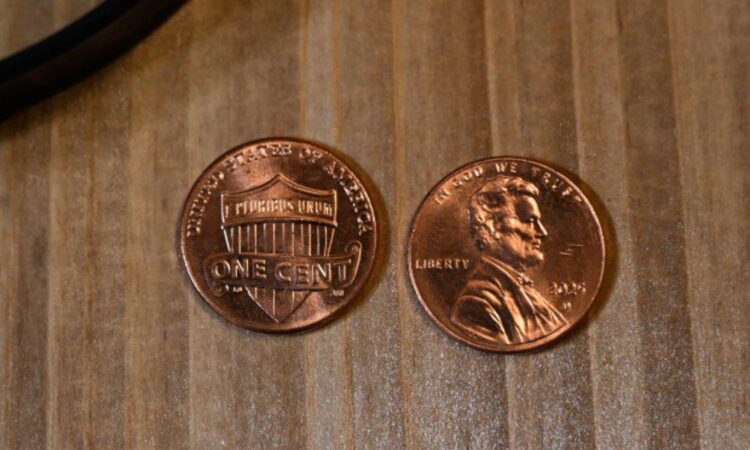
The law comes at a time when many people are worried about the future of cash. Earlier in 2025, the U.S. government stopped making pennies after 232 years. Each penny costs almost four cents to produce, so stopping production will save the government about $56 million a year.
Even though pennies are no longer being made, there are still about 300 billion of them in circulation, and they are still legal money. When pennies disappear completely, the nickel will become the smallest coin, though nickels cost even more to make.
Because of the end of pennies, some stores had started rounding cash totals, sometimes rounding up so that cash users would pay a little more than card users. This law is designed to stop that and protect cash-paying customers.
New York Senate Bill S4153A also aims to make sure that no one is left out of shopping because of how they pay. Stores cannot use rounding or other tricks to make cash customers pay more. Some businesses, like McDonald’s, faced criticism for rounding totals upward after the penny ended, which shows why people see this law as important.
There are a few exceptions to the law. For example, stores do not have to accept cash for transactions over $20 if they are done over the phone, by mail, or online, unless the payment happens in person.
Certain types of businesses, like parking lots, vending machines, live events, or rental services, may not be fully covered. People who break the law can be fined up to $1,000 for the first offense and $1,500 for any repeated violations.
The law is expected to help people who rely on cash, including those who may not have bank accounts or credit cards. It also encourages fairness in shopping and makes it clear that paying with cash should not come with disadvantages. With changes in coins and the way money is used, the law helps ensure that cash remains a safe and reliable option for everyone.
Retailers and consumers will need to pay attention to these changes, as the law could affect everyday shopping, pricing, and checkout practices.
By making cash payments equal to card payments, the law hopes to keep shopping simple, fair, and accessible to all. It is seen as an important step in protecting consumers and maintaining trust in the way people pay for goods and services.