

For years, families believed that when a loved one lived in a nursing home, a qualified medical professional was always there watching over them. Not just any staff member, but a registered nurse. Someone trained to notice small changes in a resident’s condition, to act quickly when something went wrong, and to step in before a situation turned into a crisis. That belief is now about to disappear .
Starting February 2, 2026, nursing homes will no longer be required by federal law to have a registered nurse on-site 24 hours a day. This rule was introduced under the Biden administration and was based on common sense.
Having an RN present at all times meant residents were less likely to be left in danger while overworked or undertrained staff tried to decide if something was serious. It meant faster treatment for strokes, infections, breathing problems, and other life-threatening emergencies. It also meant more accountability in facilities that have struggled with staff shortages for years .
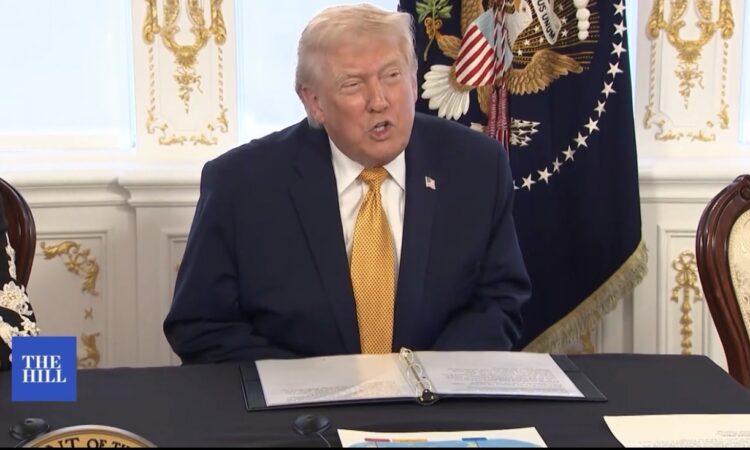
As of December 2, 2025, that requirement was repealed by Donald Trump and the secretary of Health and Human Services, Robert F. Kennedy Jr.. They argue that removing regulations will “free” the industry. In reality, it frees up more hours when no medical professional is present. The people who will suffer are elderly residents who cannot care for themselves and depend entirely on others .
Inside many nursing homes, staffing is already dangerously thin. Certified nursing assistants are often responsible for too many residents at once. Licensed practical nurses struggle to handle medications, paperwork, and patient checks with little support.
Registered nurses are the only staff trained to spot subtle but deadly changes in health. When no RN is on-site, warning signs are missed. Missed warning signs lead to missed diagnoses, and missed diagnoses lead to preventable deaths .
This is not guesswork. Decades of research show exactly what happens when RN staffing is reduced. Infection rates rise. Falls become more common. Pressure sores increase. Emergency hospital transfers happen more often. Death rates go up. These are not political arguments. These are real people—parents, grandparents, and loved ones—suffering injuries and losing their lives unnecessarily .
The federal government once accepted that minimum staffing rules made nursing homes safer. That understanding now seems to be gone, at the worst possible time. The population is aging, and nursing homes are caring for residents who are far sicker and more medically complex than in the past. Families already struggle to trust facilities that have long histories of understaffing and poor reporting. This decision weakens that trust even further .
Some may try to dismiss this as a small administrative change, but it is not. It weakens protections for the elderly in a very real way. It creates more chances for the same failures seen over and over again: untreated infections turning deadly, residents left alone for hours, serious falls with no qualified professional nearby, and families being told everything was “fine” right up until disaster strikes .
If policymakers spent just one evening shift inside many nursing homes, they would see the reality for themselves. They would not remove this rule. They would strengthen it.
Elder care does not fix itself. It responds to pressure and incentives. When the incentive becomes cutting nurses to save money, quality drops. When standards become optional, the worst facilities take advantage, while responsible ones struggle to keep doing the right thing .
Families in Florida already know what happens when oversight is weakened. They live with the consequences every day. When the system fails, they turn to lawyers—after a parent is rushed to hospital, after a sudden decline, after a death that seemed shocking but was entirely predictable .
We can argue about taxes or government spending, but protecting elderly people should not be controversial. Removing a rule that simply required one registered nurse to be present at all times sends a clear message. It says safety is optional. Oversight is inconvenient. Saving money matters more than human lives .
Seniors deserve much better. Their families deserve honesty. Nursing homes need rules that reflect the reality of modern care, not the wishes of industry lobbyists. This decision should be reversed. If the federal government will not act, states must step in. Regulators must stop pretending that having an RN “most of the time” is the same as having one there when someone stops breathing. Families should demand clear staffing information before choosing a facility .
Those who work with these cases see the damage firsthand. They see what happens when a resident’s decline goes unnoticed for just an hour. They see what happens when urgent care is delayed until morning because no RN was on duty. These tragedies are not unavoidable. They are the direct result of policy choices. This repeal is dangerous, and every family should be paying close attention—even if the federal government no longer is .