
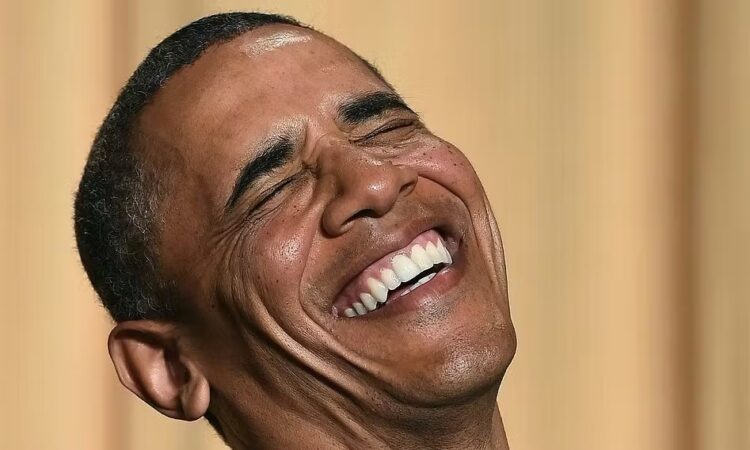
Former President Barack Obama took some time on Monday to celebrate a moment from his presidency that still means a lot to him — the signing of the Affordable Care Act, widely known as Obamacare. Even after more than a decade of arguments, lawsuits, and political battles, Obama reflected on that day with pride. He told the audience that signing the bill in 2010 gave him goosebumps, and he called it one of the most meaningful accomplishments of his time in the White House. Speaking at an event hosted by Walmart heiress Olivia Walton, he smiled and said, “That was a good day… and lo and behold, it’s still around.”
Although the law is still standing, it is surrounded by uncertainty. The political fight over Obamacare has never really gone away, and it recently became a major reason behind the record-breaking government shutdown that began in October. The shutdown was driven largely by disagreements surrounding healthcare funding, especially the extra subsidies that were added during the COVID pandemic. These subsidies helped millions of people afford insurance, but they were never meant to last forever. Now they are scheduled to expire, and the two political parties are clashing over what should happen next.
Republicans argue that the pandemic-era subsidies are draining money from taxpayers. They say the system is filled with fraud, and that the subsidies hide a much deeper problem — the cost of insurance keeps rising, and Americans are the ones paying the price. Democrats, however, want to extend the subsidies again, even though they previously agreed they would expire this year. Their position has created confusion and frustration, even among people who support the program.
Experts are also raising concerns. Ryan Long, a Senior Research Fellow at the Paragon Health Institute, explained that Obamacare has actually made insurance far more expensive than it used to be. The numbers he shared were striking: premiums for Obamacare plans have gone up 169% since 2013. That increase is much higher than the rise in employer-sponsored insurance, which remains the most common type of coverage for American workers. Long said one major reason for the high prices is that the government pays such a large share of the bill. Because of that, insurance companies can keep raising their prices without facing resistance from the people actually using the plans.
Long also described how the expanded subsidies created a new problem — zero-dollar insurance plans. These plans may sound helpful, but they have opened the door to widespread fraud. Millions of people are claiming to fall into income categories that make them eligible for free insurance, even though they don’t actually qualify. In some states, there are three to four times more people enrolled in certain low-income categories than there are people who actually earn that level of income. Long said this has allowed massive amounts of taxpayer money to be drained away, estimating that between $27 billion and $30 billion has already been paid out due to false claims.
While critics sound the alarm about rising costs, fraud, and instability, Obama appears unfazed. During his conversation with Walton, he revealed that he hasn’t watched cable news in 15 years. He seemed completely uninterested in the constant political chatter, including predictions that Obamacare may be collapsing under its own weight. For him, the emotional and historical meaning of the law still outweighs the problems and controversies surrounding it.
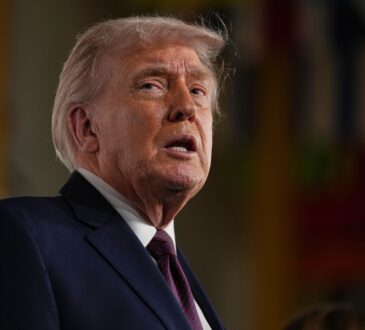
Meanwhile, President Donald Trump and Republican leaders are working behind the scenes on what could be a major shake-up of the entire healthcare system. Some reports say they are preparing a replacement plan, while others suggest they may design a completely new approach. Their goal is to create an alternative that they believe will fix the weaknesses in Obamacare — though details have not yet been made public.
For now, the future of healthcare in America is uncertain. Millions of families depend on Obamacare, yet millions more are struggling with rising costs and confusing rules. Both parties claim they want to improve the system, but they disagree sharply on how to do it. As the debate continues, the country waits to see whether Obamacare will be repaired, replaced, or reshaped into something entirely different.