Panic Over The White House as Fed Chair Powell Confirms Trump Tariffs Mean Higher Costs And Fewer Jobs

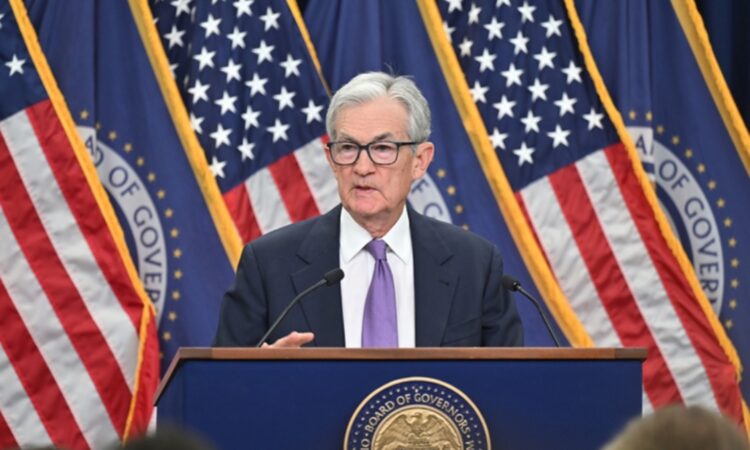
The head of the U.S. Federal Reserve, Jerome Powell, has warned that President Trump’s new tariffs are pushing prices up in the United States and could lead to fewer jobs. Powell explained that the higher taxes on imported goods are making everyday items more expensive, and this is increasing inflation—meaning the cost of living continues to rise for most Americans.
Powell spoke about this during a press conference after a major Federal Reserve meeting. He said the tariffs are now one of the main reasons inflation is above the Fed’s goal of 2 percent. Because prices are rising faster than expected, the Federal Reserve is finding it harder to do its job: keeping prices stable while also trying to protect employment and keep people working.
Powell stressed that the Fed mostly uses interest rates to control the economy. But when tariffs raise prices and also slow down business growth at the same time, the Fed has very few easy options. If they raise interest rates to cool inflation, the economy could slow even more, costing jobs. If they lower interest rates to help workers, inflation could get worse. He said the situation is something the Fed has not had to deal with in many years.
Other Fed leaders are seeing similar issues. Philadelphia Fed President Anna Paulson said that while the pressure from tariffs might slowly fade next year, the job market is already showing signs of stress. She described the labor market as “bending, but not breaking,” meaning it is still standing, but under more weight than before.
A report from Congress’ Joint Economic Committee also shows how these tariffs are affecting everyday families. According to the report, Americans paid about $1,500 more on average from February to November 2025 because of higher prices linked to tariffs. In total, consumers across the country spent almost $200 billion more during that time. Many critics say this is basically a hidden tax on ordinary people.
Research papers studying tariffs suggest things could get worse. Some experts believe that if tariffs grow even higher, the world could lose tens of millions of jobs. Low-skill workers may be hit the hardest because the industries they depend on would shrink or move.
Large retail companies have already warned that they will have to raise prices if tariffs continue. They say the extra costs in their supply chains—especially for goods and materials that come from overseas—will eventually fall on shoppers.
Financial markets reacted nervously to Powell’s comments. Earlier in the year, when tariffs increased, the stock market fell and became unstable. Investors worry that higher prices and slower business growth could squeeze company profits and hurt retirement savings and investments.
The disagreement between Trump and Powell is also attracting a lot of attention. Trump has publicly pushed the Fed to cut interest rates sharply to speed up the economy. He accused Powell of slowing things down for political reasons. Powell responded by saying that the Federal Reserve must remain independent and that its decisions are guided by long-term economic stability, not politics.
All of this puts pressure on the White House. Families are struggling with higher grocery bills and everyday expenses. Businesses are warning they may have to raise prices or reduce hiring. The government must try to control inflation without damaging the job market, and that balance is becoming harder to achieve.
In short, Powell is warning that Trump’s tariffs are raising prices and could hurt jobs, making the country’s economic future more uncertain. As inflation stays high and the job market becomes more fragile, Americans across the nation are left to cope with rising financial stress and an unclear outlook.