These secretive decisions show a citizens’ revolt against Donald Trump is gathering serious pace

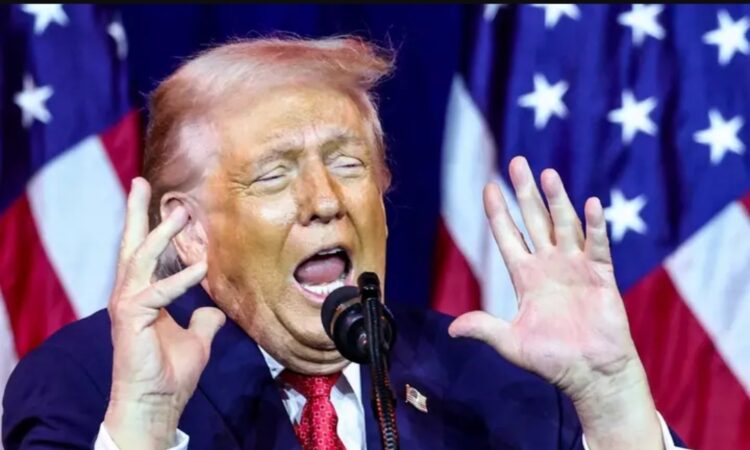
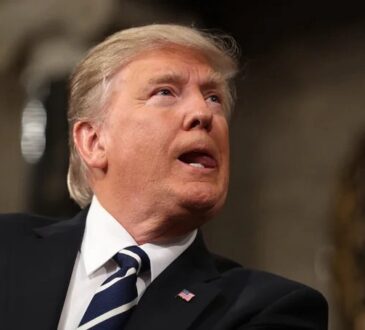
A photo shows Donald Trump speaking in Washington, D.C. I want to explain some important news that came out on Wednesday and why it matters.
Federal prosecutors who work under Trump tried to get criminal charges against six Democratic members of Congress. All six have backgrounds in the military or intelligence services.
Back in November, they posted a video reminding people currently serving in the military and intelligence community that they have a duty to refuse illegal orders.
That video made Trump very angry. On his social media platform, Truth Social, he called their actions “seditious behavior” and said it should be punished by death. He even shared another post that said they should be hanged, claiming that George Washington would have done that.
Soon after, the six lawmakers revealed that the FBI had contacted the House and Senate and wanted to interview them. This showed that a criminal investigation had begun.
Jeanine Pirro, the U.S. Attorney for Washington, D.C., and a longtime ally of Trump, asked a grand jury to indict the lawmakers in other words, to formally charge them with crimes.
But the grand jury refused.
That is extremely unusual. Grand juries almost always agree with federal prosecutors. Prosecutors have a lot of influence and control over what grand juries see and hear.
Grand juries are very different from trial juries. They meet in secret. Usually, 16 to 23 regular citizens are called in from the community. There is no judge in the room. Defense lawyers are not there. The people being investigated are not there.
Prosecutors present the evidence and explain why they believe a crime was committed. The standard is not “beyond a reasonable doubt,” which is required for a conviction at trial. Instead, it is just “probable cause,” meaning there is a reasonable basis to think a crime may have happened.
Because of this lower standard and the control prosecutors have, grand juries almost always approve indictments. In the past, more than 99 percent of cases brought to federal grand juries resulted in charges. A former New York judge once famously said prosecutors could get a grand jury to indict a ham sandwich if they wanted to.
But in 2025, something unusual started happening. Grand juries in places like Los Angeles, Washington, D.C., and Virginia began refusing to indict in several cases. Some of these involved clashes between protesters and federal officers. In Virginia, a grand jury even refused twice to indict New York Attorney General Letitia James.
Now, they have refused to indict the six lawmakers targeted by Trump.
This is striking. Ordinary citizens serving on grand juries are pushing back. They are declining to charge people in cases that appear to be tied to Trump’s anger or political battles. It looks like everyday Americans are quietly resisting what they see as unfair or overly political prosecutions.
Because grand jury proceedings are secret, we do not know exactly why they made these decisions. But it suggests that some jurors may feel prosecutors are going too far, especially in a tense and highly political environment.
After the decision, Senator Mark Kelly said this was an outrageous abuse of power. He argued that Trump wants Americans to be afraid to speak out against him and that the patriotic response is to refuse to back down.
Some Republican senators also spoke up. Senator Thom Tillis said the government seemed to be using the legal system as a political weapon and that the jury recognized this.
Senator Chuck Grassley said law enforcement should focus on keeping communities safe and going after real criminals. Senate Majority Leader John Thune said the situation showed the judicial system working as it should.
At the same time, other investigations are moving forward. At Trump’s urging, Pirro has opened a criminal investigation into Jerome Powell, who leads the Federal Reserve.
The Justice Department is also investigating Democratic officials in Minnesota who opposed Trump’s immigration policies. Journalist Don Lemon was arrested after attending a church protest in Minneapolis. The FBI searched an elections office near Atlanta based on claims that the 2020 election was stolen claims that have been widely discredited.
Many Americans, including some Republican leaders and regular citizens, appear to be pushing back. Some are voting against certain candidates. Others are protesting immigration enforcement in their cities. People are speaking out at rallies, sporting events, and public gatherings.
All of this suggests that a kind of citizen resistance is taking place across the country, even in places like grand juries, where open resistance is very rare. The idea is that the country may ultimately come out stronger after going through this period of tension and conflict.
The original commentary was written by Robert Reich, a former U.S. labor secretary and public policy professor.