
This man nailed Donald Trump — then elite conspirators helped him wriggle free

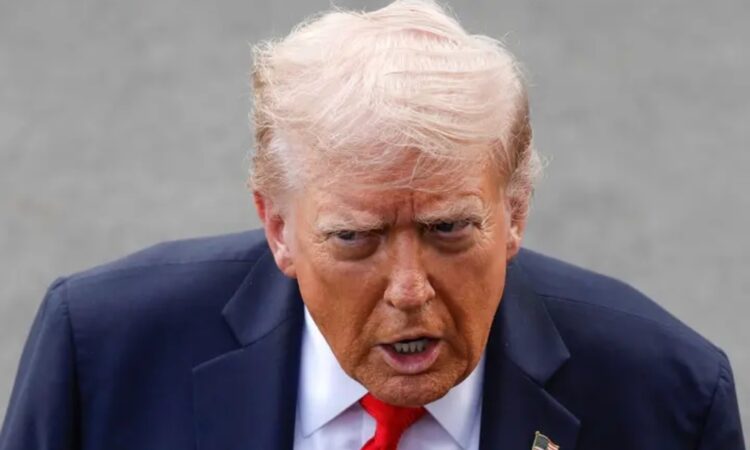
Five years have passed since the events of January 6, 2021, when a violent attack took place at the U.S. Capitol. On that day, Donald Trump was still president, and many critics argue that he encouraged and directed an effort to overturn the results of the 2020 election and stop the peaceful transfer of power. The anniversary comes at a moment that many people find shocking and disturbing, because Trump is once again president of the United States.
Despite the seriousness of what happened on January 6, Trump has never faced criminal punishment for it. Instead, he ran for president again and won. To many observers, it looked like he was campaigning not just for power, but to protect himself from prison.
That belief was reinforced when Jack Smith, the special counsel who investigated Trump’s actions, told lawmakers that his team had enough evidence to prove Trump’s guilt beyond a reasonable doubt. According to Smith, the investigation showed that Trump was involved in a criminal plan to overturn the election and block the lawful transfer of power.
Throughout the investigations, Trump used every possible delay and legal maneuver available to him. He challenged subpoenas, slowed court proceedings, and took advantage of the privileges that come with wealth and political power.
At the same time, he presented himself to supporters as a victim and a hero in a dramatic story about good versus evil. Any attempt to hold him accountable was framed as proof of a massive conspiracy against him and against the country.
Once Trump returned to office, all remaining criminal investigations against him were shut down. Jack Smith, despite saying he had strong evidence, was forced to step aside. Trump acted as though he alone had the authority to decide what was legal and what was not, treating his own judgment as more powerful than courts, laws, or democratic institutions.
Critics argue that Trump did not escape accountability on his own. Many Republican lawmakers refused to hold him responsible, even though the attack targeted the same Congress they served in.
Wealthy donors and powerful media organizations defended him, downplayed the seriousness of his actions, and promoted conspiracy theories that kept his supporters loyal. Corporate leaders and financial elites, seeing that Trump could act without consequences, largely went along with it, just as they had with other powerful figures who avoided punishment in past decades.
Over time, this lack of accountability reinforced the idea among Trump and his allies that they were above the law, moral standards, and long-standing democratic traditions. That belief was strengthened by Supreme Court decisions that expanded presidential immunity, including rulings by justices Trump himself appointed. To many critics, this moment symbolized a broader collapse of accountability among elites, where even extreme abuses of power are met with little more than public outrage and then forgotten.
The argument is that the events of January 6 did not truly end. They simply continued in another form when Trump returned to office. Since then, critics say there has been a renewed effort to roll back decades of political and social progress. They fear attacks on civil liberties, increased government surveillance, weakened protections for ordinary people, and a system increasingly designed to benefit wealthy, powerful individuals who can act without consequences.
These concerns extend beyond domestic politics. Trump’s actions on the world stage have also raised alarms. Critics say he has weakened international norms established after World War II and normalized corruption in global relations. According to this view, foreign leaders now believe that personal favors, bribes, or threats are simply part of dealing with the United States under Trump’s leadership.
The deeper concern is that democratic institutions failed when they mattered most. Courts, lawmakers, media organizations, universities, and even voters were unable or unwilling to hold a powerful figure accountable. Because of that failure, critics argue, the country now faces a continuing crisis where abuses of power are likely to repeat themselves.
Even so, many believe the truth about January 6 cannot be erased, no matter how much it is denied or minimized. The central question remains whether justice will ever catch up, either with Trump or with future leaders who abuse their power, or whether unfairness and inequality are built so deeply into the American system that they cannot be fully removed.
In discussing these issues, lawyer and activist Adam Cohen expressed cautious optimism. He acknowledged how deeply shaken many people feel, especially after seeing Trump return to power despite the evidence against him.
At the same time, he argued that meaningful reform is still possible. He believes the system’s flaws have been exposed, particularly in the courts and the Supreme Court, and that serious changes are needed to prevent this from happening again.
Cohen said that fixing these problems will not be quick or easy. It may take generations, just as it has taken generations to address other injustices in American history. But he believes progress is still possible if people continue to speak out, demand accountability, and push for reforms. In his view, the country has faced major crises before and managed to move forward, and he believes it can do so again, even after something as damaging as January 6.




Not impeached put in jail.especially now after what he has done to this country.namely turned it into another 3rd reich