
This simple tactic will take down Donald Trump and every one of his sycophants

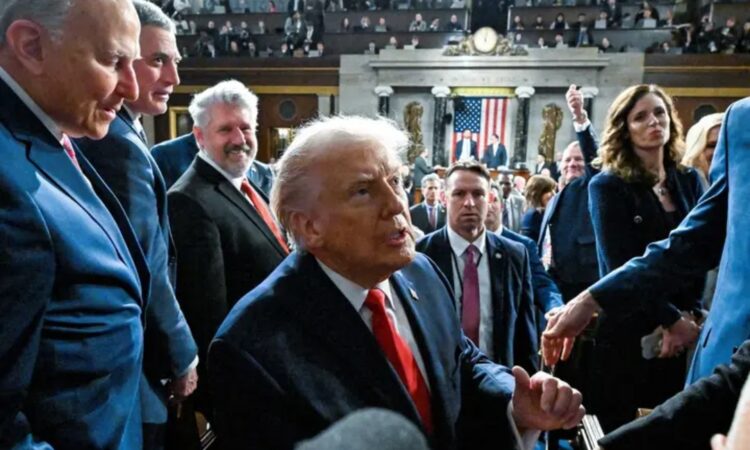
This simple idea could bring Trump down, along with all the people in politics who follow him no matter what.
If Democrats want one clear message everyone can understand, it’s this.
A lot of Americans are starting to feel like Trump creates chaos on purpose so people stop paying attention to his own problems. When something big happens overseas, like sending thousands of troops into a tense situation, it can look less like leadership and more like a distraction. People see that and start to question whose interests are really being served, especially with all the past scandals and controversies still hanging over him.
The point being made here is that Democrats don’t need to overthink their strategy. They already have everything they need. Instead of jumping between different talking points, they should stay focused and repeat the same idea again and again until it sticks. Every mistake, every bad decision, every scandal — tie it back to Trump. And don’t stop there. Make it clear that the Republicans in Congress who support him are part of it too, because they enable him and defend him.
The message is meant to be simple enough that anyone can follow it without having to think too hard. If something is going wrong in the country and people are frustrated, give them a clear answer about who is responsible. If prices are high, point to leadership. If there’s instability in the world, point to leadership. If there are scandals or ethical concerns, point to leadership. Keep it consistent so it becomes the first thing people think of.
The argument is that Democrats have spent too long trying to be measured and careful, sometimes focusing on being polite or balanced instead of being clear and forceful. Meanwhile, their opponents don’t hold back at all. So the suggestion is to stop playing it safe and start speaking in a way that actually cuts through the noise.
There’s also a sense that timing matters. Going into a midterm election, especially one where there are already claims that the system is unfair or “rigged,” there’s a risk that confusion and mistrust will grow even more. People have seen this kind of situation before, and it creates fatigue. So instead of letting that confusion take over, the idea is to give voters something direct and easy to understand.
At the same time, there are real cracks showing on the other side. A lot of Republican politicians are stepping away from their seats or trying to move up to other roles, and that creates instability. When you add in scandals and investigations involving some of them, it weakens their position even further. A small majority in government becomes even harder to hold together when people are leaving or under pressure.
That kind of situation can slow everything down. Laws become harder to pass, disagreements become more intense, and even basic decisions can get stuck. From a political point of view, that opens up an opportunity for the opposition to step in and make their case more strongly.
But even with all of that, there’s still a big challenge: getting people to actually hear and believe the message. Information is messy now. Different groups see completely different versions of reality depending on where they get their news. There are also growing concerns about manipulated content, like deepfakes and AI-generated media, which can make it even harder to know what’s real.
Because of that, the idea isn’t just about what to say, but how to say it. Right now, a lot of political messaging comes through controlled environments, like press briefings where only certain outlets are given access. That shapes the story before most people even hear it.
So the suggestion is to create a direct response to that. Hold regular briefings that are open to all media, where questions can be asked and answered in real time. Make it consistent, make it visible, and make it impossible to ignore. If people feel like they’re being shut out of information, give them another place to go.
The tone of those briefings would matter too. The person leading them would need to stay calm, confident, and clear, even when facing tough or hostile questions. The goal wouldn’t just be to argue, but to show control, credibility, and a steady message that doesn’t change depending on who’s asking.
At the same time, everyone else in the party would keep repeating the same core idea wherever they go — on TV, online, at events, in interviews. No mixed messages, no distractions, just one clear line that connects everything together.
The whole strategy is built on repetition and clarity. Say it often enough, in enough places, and in a way that people understand, and eventually it sticks.
In the end, the argument is simple: if something is going wrong, don’t let the blame get lost or watered down. Keep pointing it back to the same source, over and over, until people start to see it that way too.