
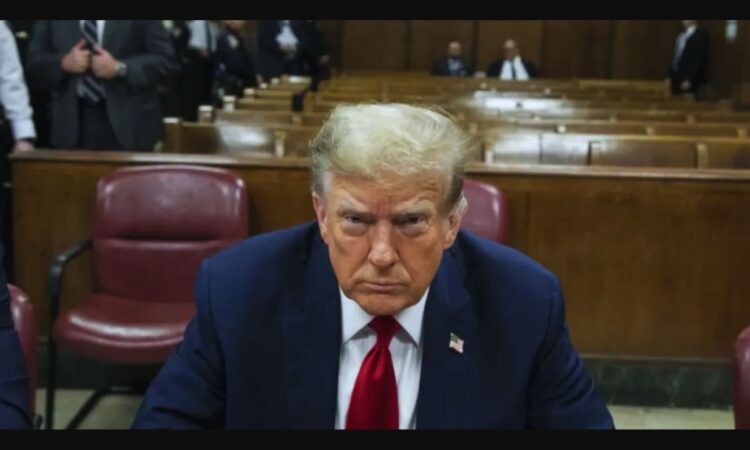
President Donald Trump sparked fresh controversy after launching an angry late-night attack on The New York Times, calling the newspaper a “national security threat” in a post on his Truth Social platform that appeared well after midnight.
In the post, Trump accused the Times of spreading lies and deliberately misleading the public. He claimed the paper’s reporting and opinion pieces were harmful to the country and went as far as calling it an “enemy of the people.” He did not explain how the newspaper posed any danger to national security, nor did he point to a specific article that triggered the outburst. Instead, the message was broad, emotional, and filled with sweeping accusations, ending with his signature and title.
Trump has spent years attacking the press and frequently labels outlets he dislikes as “fake news.” However, this time his language went further than usual. By framing a major American newspaper as a threat to the nation itself, critics say he escalated his rhetoric without offering evidence or clarity. The post left readers guessing about what exactly angered him and why the reaction came so late at night.
The timing of the rant appears to follow growing frustration inside the White House over recent media coverage that Trump has taken personally. In November, the Times published a report noting that Trump, now 79, has reduced his public schedule compared to his first term. The article said he has been starting his days later and appearing less frequently in public, suggesting age and the demands of the presidency may be factors.
That reporting reportedly infuriated Trump. He quickly rejected the idea that age has slowed him down and insisted he remains in excellent physical and mental condition. He has repeatedly pushed back against any suggestion that his stamina or work habits have changed, even as he is set to become the oldest sitting president in U.S. history.
The late-night post fits a familiar pattern for Trump. When upset, he often turns to social media to vent, singles out an enemy, and uses dramatic language to turn a personal grievance into a larger political fight. In this case, the Times once again became a central target in his long-running battle with what he describes as hostile media.
Trump’s repeated use of the phrase “enemy of the people” has drawn criticism in the past, but calling a newspaper a national security threat raised fresh alarm among press freedom advocates. The post did not outline any concrete action, policy response, or legal step. Aside from demanding that the paper be “dealt with and stopped,” Trump offered no explanation of what that would mean in practice.
There was also no immediate follow-up from the White House. No officials announced new measures, investigations, or changes tied to Trump’s comments. The post appeared to stand alone as an expression of anger rather than a statement of policy or intent.
Trump has often used late-night social media posts to dominate headlines, energize supporters, and keep attention focused on himself, and this episode followed that same pattern. The sharp tone and timing ensured the message spread quickly across media and social platforms.
This is not the first time Trump has singled out individual journalists from the Times. In November, he accused White House correspondent Katie Rogers of being assigned to write only negative stories about him and personally insulted her in a public post. Those comments also drew backlash for their personal nature.
The New York Times has responded to Trump’s attacks by making clear that his criticism will not change how it reports on his administration. The paper has said it will continue to cover the president and the White House independently and without fear, regardless of pressure or insults.
As Trump’s relationship with the press continues to deteriorate, incidents like this highlight the growing tension between the president and major news organizations. While his supporters often cheer these attacks, critics warn that branding journalists and newspapers as enemies or threats to national security risks further eroding trust, escalating hostility, and undermining the role of a free press in a democratic society.