

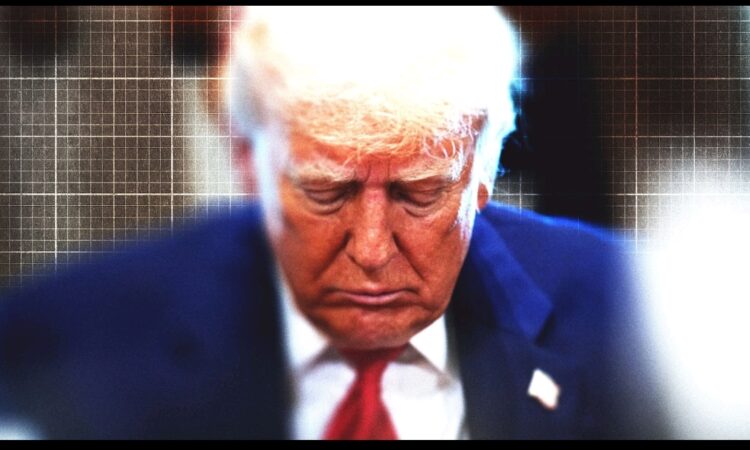
New data shows that many voters are not confused about what is happening to their finances or who they think is responsible. A large share of Americans feel their personal financial situation is getting worse, and they link that decline directly to Donald Trump’s second term as president.
A recent poll carried out by Harris and reported by The Guardian found that more than 45 percent of people say their financial security is declining. In contrast, only about one in five Americans believe their finances are improving. This means far more people are feeling stressed and uncertain about money than hopeful or confident.
At the same time, a growing number of Americans believe the country is already in a recession. Fifty-seven percent of those surveyed said they think the United States is experiencing an economic downturn. That number is significantly higher than earlier in the year, showing that economic fear has grown steadily since Joe Biden left office.
When it comes to blame, most Democrats and independents point directly at the Trump administration. More than three-quarters of Democrats and nearly three-quarters of independents believe rising prices and everyday unaffordability are the result of Trump’s policies. Even among Republicans, more than half agree that the administration shares responsibility, though their support is stronger than in other groups.
This public concern stands in sharp contrast to Trump’s repeated claims that he has created the best economy the country has ever seen. Polls suggest that many voters simply do not agree. As the next midterm elections approach, anxiety about the economy is becoming a major issue, and it is shaping how people feel about the current leadership.
Other surveys reinforce this picture. A poll published by Politico found that nearly half of Americans believe the current cost-of-living crisis is the worst they have experienced in their lifetime. People report struggling more with basic expenses such as housing, food, utilities, and transportation.
Economic data also supports these worries. Economic growth has slowed significantly compared to last year, partly due to ongoing tariff disputes with both allies and rivals. Inflation remains stubbornly high, and the rising cost of everyday necessities is hitting lower- and middle-income families the hardest. Essentials like groceries, energy, and household bills are taking up more of people’s income than before.
These concerns are already affecting politics. A November NBC poll showed that economic anxiety is influencing voter preferences ahead of next year’s elections for Congress. According to that poll, Democrats currently hold an eight-point lead over Republicans, the largest advantage either party has had since 2018.
Even Trump himself has acknowledged that his messaging on the economy is not convincing many voters. In a recent interview, he admitted that people may not yet feel the impact of investments and projects he says are underway, such as new factories and technology initiatives. He suggested that while money is flowing into long-term developments, he cannot guarantee that voters will feel the benefits anytime soon.
The White House has been contacted for comment on these findings, but no response has been provided so far.


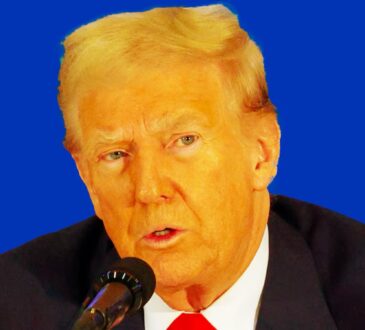

Trump and his stupid administration has been the dumbest, embarrassing group of ignorance ever……