Very dangerous’: Lawmaker says Trump accidentally ‘revealed his hand’ on military plans

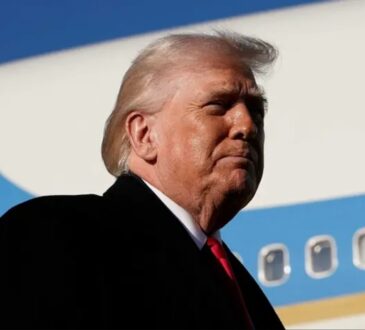
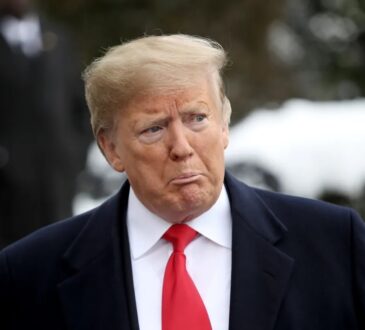
Over the weekend, Donald Trump appeared to unintentionally expose more about his thinking and intentions toward Venezuela, and possibly other countries in the region, than he likely meant to.
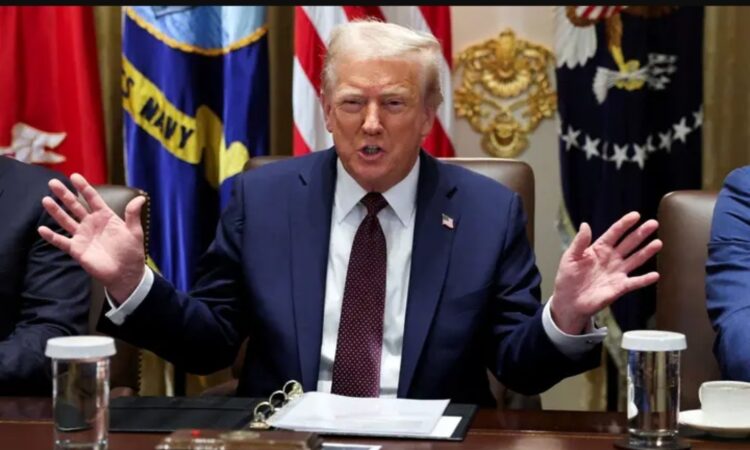
During a cabinet meeting at the White House, he made an awkward and rambling comment about the Monroe Doctrine, a long-standing U.S. foreign policy from the 1800s that warned European nations not to interfere in the Americas.
Instead of clearly explaining its historical meaning, Trump spoke in a casual and confusing way, suggesting that the doctrine had been replaced and jokingly implying it had been renamed after himself.
He said people now supposedly call it the “Donroe Document,” then quickly dismissed the whole idea as something people had more or less forgotten. The comment stood out because it touched on a policy traditionally associated with U.S. dominance and control in the Western Hemisphere.
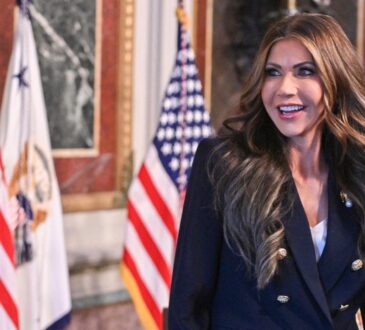
These remarks immediately raised concerns among some lawmakers. Democratic Congresswoman Madeleine Dean spoke about them during a television appearance on Saturday, where she also addressed a recent U.S. military strike ordered by the president.
She described a briefing she attended with Trump and Senator Marco Rubio as extremely disturbing. According to Dean, what she heard during that briefing made it clear that the situation was far more serious and dangerous than the administration was publicly admitting.
Dean warned that the military strike itself was a reckless move and said it crossed into territory that legally requires Congress to be involved. She emphasized that the president does not have the authority to decide on his own to remove another country’s leader and then effectively take control of that nation. In her view, such actions go beyond presidential power and risk dragging the United States into a much larger and more dangerous conflict.
She also challenged the administration’s explanation that the operation was related to law enforcement or fighting drug trafficking, an argument that Rubio had reportedly suggested.
Dean said that if the mission were truly about law enforcement, there would be no talk of taking over a country or reshaping its government. She pointed out that officials did not even mention fentanyl or other specific drug threats, which made the justification sound hollow and misleading.
When Dean returned to Trump’s “Donroe Doctrine” remark, she said it was especially revealing. She argued that there is no reason for a president to bring up the Monroe Doctrine, let alone jokingly rename it after himself, unless he is thinking in terms of expanding U.S. power and influence through force.
To her, the comment suggested an expansionist mindset rather than a limited or defensive action. Dean concluded that, through his own words, the president had exposed his true intentions, saying that he effectively revealed his hand by speaking so casually about a doctrine tied to intervention and control in the Americas.