‘We’re after you’: Donald Trump vows in late-night rant to ‘take out’ a fellow Republican

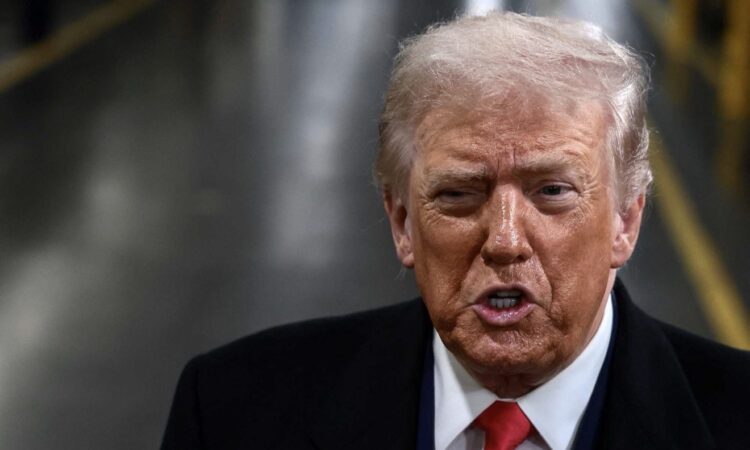
Late on Saturday night, Donald Trump caused outrage once again after posting a highly aggressive message aimed at a fellow Republican. The post quickly drew attention because it was not directed at a political opponent from another party, but at someone within his own ranks.
At around 10:26pm local time, Trump used his social media platform, Truth Social, to go after Rodric Bray, the Republican Majority Leader in the Indiana State Senate. The conflict stems from Trump’s push for a mid-cycle redistricting plan. Trump has been pressing hard for electoral maps to be redrawn in a way that would favour his political interests, but Indiana Republicans, including Bray, refused to support or take part in the effort. Their resistance appears to have deeply frustrated Trump.
This public attack did not come out of nowhere. Just hours earlier, JD Vance had also taken a swipe at Bray, accusing him of blocking Republican goals. However, Vance’s criticism reportedly led to backlash, with claims that the pressure being applied was unfair and bordered on political “cheating.” Instead of backing off, Trump escalated the situation dramatically.
In his post, Trump said he had recently met with David McIntosh from the Club for Growth, a powerful conservative organisation known for influencing Republican primaries. Trump claimed that both men had agreed to work “tirelessly” to remove Bray from his leadership position. He branded Bray a “RINO,” a term Trump often uses to describe Republicans who do not fully align with him, and accused him of betraying the Republican Party, betraying Trump as president, and betraying supporters of the “Make America Great Again” movement.
Trump’s language then became even more confrontational. He issued a direct warning to Bray, saying they were “after” him and adding that Bray would face a political attack unlike anything he had ever seen before. Many readers interpreted the message as threatening and intimidating, especially given the tone and the late-night timing of the post.
The episode has renewed concerns about Trump’s influence over the Republican Party and the way he treats internal dissent. Rather than handling disagreements through private discussions or party processes, Trump continues to publicly shame and threaten Republicans who refuse to follow his direction. For critics, the attack on Bray is another example of how internal party disputes under Trump are increasingly marked by hostility, personal insults, and attempts to politically destroy those who stand in his way.