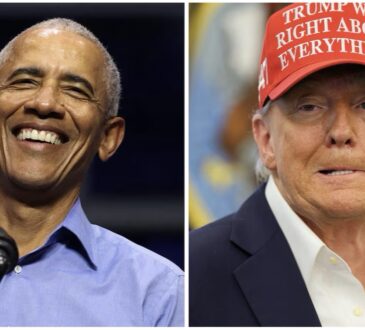

Mike Madrid, a well-known Latino GOP strategist, has offered a deeper interpretation of what Donald Trump’s recent political behavior might really mean. In his view, Trump’s growing focus on Eric Swalwell is not random or strategic in the usual sense, but instead a sign of concern about what Swalwell could become politically.
Madrid explained that Swalwell, who is currently running in a crowded and somewhat unclear race to become California’s next governor, was not originally the central figure in that contest. The race had many candidates, but none had truly captured national attention or stood out as the clear leader. That lack of a dominant voice meant the primary remained fragmented, with no strong momentum behind any single person.
According to Madrid, that dynamic may now be changing because of Trump himself. By repeatedly singling out Swalwell and tying his name to federal-level attention, Trump may have unintentionally elevated him above the rest of the candidates. In politics, attention is power, and when a sitting president focuses heavily on one individual, it sends a message to the public, the media, and even party insiders that this person matters.
Swalwell has already built a reputation as a vocal critic of Trump, often speaking out against his policies and leadership style. That consistent opposition has made him visible, but Madrid believes Trump’s actions could push him into a completely different level of influence. The recent push by Kash Patel to release an old investigative file connected to Swalwell, despite no formal wrongdoing being established, adds another layer to the situation. To Madrid, this looks less like routine oversight and more like targeted pressure.
He argues that when federal power appears to be directed toward a political opponent in this way, especially one involved in a state-level race that was not dominating headlines, it can create the opposite effect of what was intended. Instead of weakening Swalwell, it can generate sympathy, curiosity, and support. Voters who may not have been paying attention before suddenly start asking questions, while media coverage increases and the candidate’s profile grows.
Madrid suggests that Trump may have unintentionally solved a major problem for Democrats in California. Before this, there was no clear figure to rally behind, but now Swalwell could emerge as that person simply because he has become the focus of national attention. In crowded primaries, visibility often determines momentum, and momentum can quickly turn into votes.
Looking at the bigger picture, Madrid believes Trump’s concern is tied to what could happen if Swalwell actually wins the governorship. California is not just any state; it is the largest in the country, with a massive population, huge economic influence, and significant political weight. A governor in that position has a powerful platform, access to major legal tools, and the ability to shape national conversations.
If Swalwell were to take that role, Madrid argues he would likely use it to challenge Trump at every opportunity. Given his track record of criticism, he would not stay quiet. Instead, he could become a constant and highly visible opponent, using California’s influence to push back on federal policies, launch legal challenges, and shape public opinion across the country.
Madrid frames the situation in a more psychological way as well. He suggests that when a powerful figure like Trump singles someone out so directly, it can reveal underlying concern. In his words, fear can sometimes be the greatest signal of who truly matters in a political fight. By focusing so much attention on Swalwell, Trump may be showing that he sees him not as a minor player, but as a potential long-term threat.