Obama Stops Playing Nice, Publicly Humiliates Trump Over Iran Disaster and Exposes the One Petty Obsession That Keeps Him Spiraling

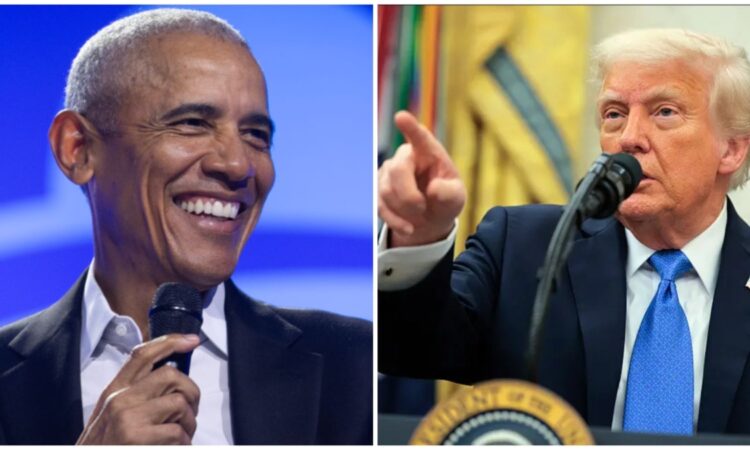
Former President Barack Obama finally decided to speak openly about Donald Trump’s decisions involving the Middle East, and many people online were surprised to hear him directly criticize the former president in such a public way.
During an interview with late-night host Stephen Colbert, Obama spoke calmly but clearly about the nuclear agreement his administration helped create years ago. He explained that the purpose of the agreement was to reduce danger peacefully and stop the spread of nuclear weapons without starting another war or causing massive destruction.
Obama reminded viewers that the agreement was not something America created alone. Many countries around the world supported it, and international inspectors were involved to make sure the rules were followed properly. According to him, the agreement succeeded in removing most of the dangerous nuclear materials and created a system that allowed the world to monitor the situation closely.
He explained that his administration achieved all of this without missiles, bombings, or the loss of thousands of innocent lives. Obama said diplomacy and peaceful negotiations were able to accomplish something many people once believed would only be possible through war.
Obama also questioned why Trump decided to end the agreement after taking office. He suggested that there was never strong evidence proving the agreement had failed. Instead, Obama hinted that politics may have played a bigger role in the decision to cancel it.
While speaking, Obama made a subtle joke that caused laughter in the audience. He suggested that some people called the agreement “the worst deal ever” simply because he was the one who created it. The crowd immediately understood the meaning behind his comment.
For years, Obama has mostly avoided publicly attacking Trump, even after Trump spent much of his political career criticizing him, spreading conspiracy theories, and questioning his legacy. That is why many people online reacted strongly after hearing Obama finally push back publicly.
Social media quickly exploded with reactions. Some people praised Obama for finally defending his record and speaking directly about the consequences of abandoning diplomacy. Others argued that the earlier agreement helped prevent chaos and kept tensions under control.
Many supporters also pointed out that Obama’s approach focused on negotiation and avoiding bloodshed, while critics of Trump argued that aggressive actions only increased fear, instability, and uncertainty around the world.
Others online claimed Trump has spent years trying to reverse many of Obama’s achievements simply because he wanted to erase his predecessor’s legacy. Some users even argued that personal rivalry and political pride played a role in many of the decisions that followed.
The interview became one of the most talked-about political moments online because people are not used to seeing Obama directly criticize Trump in such a sharp but calm way. Instead of shouting or sounding emotional, Obama carefully explained his position, which many viewers said made his comments even more powerful.
As clips from the interview spread across social media, the debate continued growing. Some people agreed strongly with Obama’s message about diplomacy and peaceful solutions, while others defended Trump’s tougher approach and argued that stronger action was necessary.
No matter which side people supported, one thing became clear: Obama’s rare public criticism instantly grabbed national attention and reopened a major debate about war, diplomacy, leadership, and the long-term consequences of political decisions.